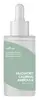
This calming ampoule is formulated around Artemisia Princeps Extract and Glycyrrhiza Glabra Root Extract to calm redness and strengthen the skin barrier.
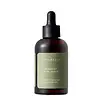
This calming serum is formulated around Artemisia Vulgaris Extract and Dipotassium Glycyrrhizate to calm redness and hydrate skin.

What's inside
What's inside
 Key Ingredients
Benefits
Ingredients Side-by-side
Artemisia Princeps Extract
Skin Conditioning



Glycerin
Humectant
Butylene Glycol
Humectant
Glycereth-26
Humectant
Erythritol
Humectant
Betaine
Humectant
Glycyrrhiza Glabra Root Extract
Bleaching

Calendula Officinalis Flower Extract
Masking
Piper Methysticum Leaf/Root/Stem Extract
Skin ConditioningPanthenol
Skin Conditioning
Propanediol
Solvent
Beta-Glucan
Skin Conditioning
Dipotassium Glycyrrhizate
Humectant
Hydrogenated Lecithin
Emulsifying
Ceramide NP
Skin Conditioning

Allantoin
Skin Conditioning
Carbomer
Emulsion StabilisingTromethamine
Buffering1,2-Hexanediol
Skin Conditioning
Artemisia Princeps Extract, Glycerin, Butylene Glycol, Glycereth-26, Erythritol, Betaine, Glycyrrhiza Glabra Root Extract, Calendula Officinalis Flower Extract, Piper Methysticum Leaf/Root/Stem Extract, Panthenol, Propanediol, Beta-Glucan, Dipotassium Glycyrrhizate, Hydrogenated Lecithin, Ceramide NP, Allantoin, Carbomer, Tromethamine, 1,2-Hexanediol
Water
Skin ConditioningButylene Glycol
Humectant
Glycerin
Humectant
Dipropylene Glycol
Humectant1,2-Hexanediol
Skin Conditioning
Polygonum Fagopyrum Seed Extract
Skin ConditioningXanthan Gum
EmulsifyingGlycosyl Trehalose
Emulsion StabilisingMaltodextrin
Absorbent
Hydrogenated Starch Hydrolysate
HumectantCaprylyl Glycol
Emollient
Artemisia Vulgaris Extract
Skin Conditioning
Acrylates/C10-30 Alkyl Acrylate Crosspolymer
Emulsion StabilisingTromethamine
BufferingCaramel
Cosmetic ColorantAllantoin
Skin Conditioning
Ethylhexylglycerin
Skin ConditioningDipotassium Glycyrrhizate
Humectant
Sodium Hyaluronate
Humectant
Disodium EDTA
ChelatingPentylene Glycol
Skin Conditioning
Aspalathus Linearis Extract
Skin ConditioningGlycyrrhiza Glabra Root Extract
Bleaching
Chlorophyllin-Copper Complex
Antioxidant
Mentha Arvensis Extract
MaskingCucumis Sativus Fruit Extract
Emollient
Persea Gratissima Fruit Extract
EmollientSpinacia Oleracea Leaf Extract
Skin ConditioningApium Graveolens Extract
Skin ConditioningBrassica Oleracea Italica Extract
AstringentPrunus Domestica Fruit Extract
MoisturisingLaminaria Japonica Extract
Skin Protecting
Camellia Sinensis Leaf Extract
Antimicrobial

Commiphora Mukul Resin Extract
Skin ConditioningYucca Schidigera Root Extract
Skin ConditioningArtemisia Absinthium Extract
Skin ConditioningWater, Butylene Glycol, Glycerin, Dipropylene Glycol, 1,2-Hexanediol, Polygonum Fagopyrum Seed Extract, Xanthan Gum, Glycosyl Trehalose, Maltodextrin, Hydrogenated Starch Hydrolysate, Caprylyl Glycol, Artemisia Vulgaris Extract, Acrylates/C10-30 Alkyl Acrylate Crosspolymer, Tromethamine, Caramel, Allantoin, Ethylhexylglycerin, Dipotassium Glycyrrhizate, Sodium Hyaluronate, Disodium EDTA, Pentylene Glycol, Aspalathus Linearis Extract, Glycyrrhiza Glabra Root Extract, Chlorophyllin-Copper Complex, Mentha Arvensis Extract, Cucumis Sativus Fruit Extract, Persea Gratissima Fruit Extract, Spinacia Oleracea Leaf Extract, Apium Graveolens Extract, Brassica Oleracea Italica Extract, Prunus Domestica Fruit Extract, Laminaria Japonica Extract, Camellia Sinensis Leaf Extract, Commiphora Mukul Resin Extract, Yucca Schidigera Root Extract, Artemisia Absinthium Extract
Reviews
Ingredients Explained
These ingredients are found in both products.
Ingredients higher up in an ingredient list are typically present in a larger amount.
1,2-Hexanediol is a synthetic liquid and another multi-functional powerhouse.
It is a:
- Humectant, drawing moisture into the skin
- Emollient, helping to soften skin
- Solvent, dispersing and stabilizing formulas
- Preservative booster, enhancing the antimicrobial activity of other preservatives
Allantoin is a soothing ingredient known for its protective and moisturizing properties; it's basically a quiet workhorse ingredient you can find in a huge range of cosmetics.
Though it can be derived from the comfrey plant, allantoin is produced synthetically for cosmetic products to ensure purity.
Research shows it can encourage your skin cells to turn over and renew by stimulating keratinocyte and fibroblast proliferation.
It also has mild keratolytic properties to help loosen and shed dead skin cells without being harsh.
Studies also suggest allantoin can help calm inflammation by dialing down some of the chemical signals your skin sends out when it is irritated.
This ingredient is typically used in the 0.1-0.5% range, and the FDA recognizes it as a skin protectant in OTC products up to 2%.
Overall, allantoin is a wonderful addition to most routines; it is stable across a wide pH range (~4-8), works well with other ingredients, and is considered non-sensitizing/non-irritating.
Fun fact: Allantoin is naturally occurring in comfrey root, beets, chamomile, and wheat sprouts. Our bodies even produce it as a byproduct of uric acid metabolism.
Learn more about AllantoinButylene Glycol (or BG) is used within cosmetic products for a few different reasons:
Overall, Butylene Glycol is a safe and well-rounded ingredient that works well with other ingredients.
Though this ingredient works well with most skin types, some people with sensitive skin may experience a reaction such as allergic rashes, closed comedones, or itchiness.
Learn more about Butylene GlycolDipotassium Glycyrrhizate comes from licorice root.
Extracts of licorice have demonstrated to have antibacterial, anti‐inflammatory, antiviral, antioxidant properties.
One component, glabridin, has extra potent antioxidant and soothing properties. It has also been found to block pigmentation from UVB rays in guinea pigs.
Licorice Root also contains a flavonoid. Flavonoids are a natural substance from in plants. Flavonoids also have antioxidant properties.
Another component, glycyrrhizin, has been found to have anti-inflammatory and antimicrobial benefits. This may make licorice root extract effective at treating acne. However, more research is needed to support this.
Liquiritin is one of the flavone compounds found in licorice. It has been found to help lighten skin by preventing tyrosinase from reacting with tyrosine. When the two react, protein is converted to melanin. Melanin is the substance in your body that gives your features pigmentation.
Licorice root is native to Southern Europe and Asia. It has been used in traditional Chinese medicine to help with respiratory issues.
Learn more about Dipotassium GlycyrrhizateGlycerin (or glycerol) is a compound naturally found in your skin. It's a powerhouse humectant that pulls water into the stratum corneum.
Topically, glycerin does several things at once:
Your skin makes glycerin on its own (mostly from sebaceous oil breakdown) and shuttles it to your outermost layer of skin, or your epidermis, via aquaporin-3.
Aquaporin-3 is a transporter that is essential for normal skin hydration, elasticity, and repair. Interestingly, mice lacking in AQP3 have dry and less elastic skin that can be fully corrected with glycerin.
This ingredient is non-irritating, plays well with almost every ingredient, and works across all skin types. Typical use is anywhere between 3-10% but can go up to 79% in some leave-on products.
Just know very high concentrations (>40%) can feel tacky in low humidity.
Glycerin is the name for this ingredient in American English. British English uses Glycerol/Glycerine.
Learn more about GlycerinGlycyrrhiza Glabra Root Extract is an extract of the roots of Licorice. It has been found to have several benefits such as skin hydrating, conditioning, and soothing.
One component, glabridin, has extra potent antioxidant and soothing properties. It has also been found to block pigmentation from UVB rays in guinea pigs.
Licorice Root also contains a flavonoid. Flavonoids are a natural substance from in plants. Flavonoids also have antioxidant properties.
Another component, glycyrrhizin, has been found to have anti-inflammatory and antimicrobial benefits. This may make licorice root extract effective at treating acne. However, more research is needed to support this.
Liquiritin is one of the flavone compounds found in licorice. It has been found to help lighten skin by preventing tyrosinase from reacting with tyrosine. When the two react, protein is converted to melanin. Melanin is the substance in your body that gives your features pigmentation.
Learn more about Glycyrrhiza Glabra Root ExtractTromethamine (aka THAM) is a synthetic amino acid that shows up in skincare as a helper ingredient.
It functions as a pH adjuster to help neutralize acidic ingredients and set a formula's pH to the right spot.
This matters a lot because a lot of actives (like vitamin C) needs a specific pH to work well and feel comfortable on skin.
Concentration use ranges from 0.1-1.0% depending on the formula.
Learn more about Tromethamine

