
What's inside
What's inside
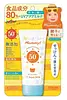 Key Ingredients
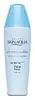
Benefits
Concerns
Ingredients Side-by-side
Water
Skin ConditioningPropylene Glycol
Humectant


Ethylhexyl Methoxycinnamate
UV Absorber


Diethylamino Hydroxybenzoyl Hexyl Benzoate
UV Filter
Pentylene Glycol
Skin Conditioning
Sodium Hyaluronate
Humectant


Simmondsia Chinensis Seed Oil
Emollient


Glucosyl Ceramide
Skin Conditioning

Malpighia Emarginata Fruit Extract
Skin ConditioningHydrolyzed Collagen
Emollient
Aloe Barbadensis Leaf Extract
Emollient
Rubus Idaeus Extract
Skin ProtectingBis-Ethylhexyloxyphenol Methoxyphenyl Triazine
Skin Conditioning
Diphenylsiloxy Phenyl Trimethicone
Skin Conditioning
Isononyl Isononanoate
EmollientPPG-7/PEG-30 Phytosterol
EmulsifyingPEG-30 Phytosterol
EmulsifyingPEG-10 Hydrogenated Castor Oil
Emollient
Ethylhexylglycerin
Skin ConditioningDimethicone/Phenyl Vinyl Dimethicone Crosspolymer
Alpha-Glucan Oligosaccharide
Cleansing
Betaine
Humectant
Acrylates/C10-30 Alkyl Acrylate Crosspolymer
Emulsion StabilisingCarbomer
Emulsion StabilisingPotassium Hydroxide
BufferingXanthan Gum
EmulsifyingHydroxypropyl Methylcellulose Stearoxy Ether
Acrylates/Steareth-20 Itaconate Copolymer
PEG-5 Phytosterol
EmulsifyingDisodium EDTA
Butylene Glycol
Humectant
BHT
Antioxidant
Dextrin
AbsorbentWater, Propylene Glycol, Ethylhexyl Methoxycinnamate, Diethylamino Hydroxybenzoyl Hexyl Benzoate, Pentylene Glycol, Sodium Hyaluronate, Simmondsia Chinensis Seed Oil, Glucosyl Ceramide, Malpighia Emarginata Fruit Extract, Hydrolyzed Collagen, Aloe Barbadensis Leaf Extract, Rubus Idaeus Extract, Bis-Ethylhexyloxyphenol Methoxyphenyl Triazine, Diphenylsiloxy Phenyl Trimethicone, Isononyl Isononanoate, PPG-7/PEG-30 Phytosterol, PEG-30 Phytosterol, PEG-10 Hydrogenated Castor Oil, Ethylhexylglycerin, Dimethicone/Phenyl Vinyl Dimethicone Crosspolymer, Alpha-Glucan Oligosaccharide, Betaine, Acrylates/C10-30 Alkyl Acrylate Crosspolymer, Carbomer, Potassium Hydroxide, Xanthan Gum, Hydroxypropyl Methylcellulose Stearoxy Ether, Acrylates/Steareth-20 Itaconate Copolymer, PEG-5 Phytosterol, Disodium EDTA, Butylene Glycol, BHT, Dextrin
Water
Skin ConditioningCyclopentasiloxane
Emollient
Zinc Oxide
Cosmetic Colorant
Silica
Abrasive

Dimethicone
Emollient
Triethoxysilylethyl Polydimethylsiloxyethyl Hexyl Dimethicone
Skin Conditioning
Lauryl PEG-9 Polydimethylsiloxyethyl Dimethicone
Skin Conditioning
Ethylhexyl Methoxycinnamate
UV Absorber
Isononyl Isononanoate
EmollientPolymethylsilsesquioxane
Butylene Glycol
Humectant
Diethylamino Hydroxybenzoyl Hexyl Benzoate
UV Filter
Acrylates Copolymer
Glycerin
Humectant
Lauroyl Lysine
Skin Conditioning
Methylparaben
Preservative

Propylparaben
Preservative
Disodium EDTA
Tocopheryl Acetate
Antioxidant

Sodium Hyaluronate
Humectant
Sodium Acetylated Hyaluronate
Humectant
Panthenol
Skin Conditioning
Dipotassium Glycyrrhizate
Humectant
Hydrolyzed Collagen
Emollient
Water, Cyclopentasiloxane, Zinc Oxide, Silica, Dimethicone, Triethoxysilylethyl Polydimethylsiloxyethyl Hexyl Dimethicone, Lauryl PEG-9 Polydimethylsiloxyethyl Dimethicone, Ethylhexyl Methoxycinnamate, Isononyl Isononanoate, Polymethylsilsesquioxane, Butylene Glycol, Diethylamino Hydroxybenzoyl Hexyl Benzoate, Acrylates Copolymer, Glycerin, Lauroyl Lysine, Methylparaben, Propylparaben, Disodium EDTA, Tocopheryl Acetate, Sodium Hyaluronate, Sodium Acetylated Hyaluronate, Panthenol, Dipotassium Glycyrrhizate, Hydrolyzed Collagen
Reviews
Ingredients Explained
These ingredients are found in both products.
Ingredients higher up in an ingredient list are typically present in a larger amount.
Butylene Glycol (or BG) is used within cosmetic products for a few different reasons:
Overall, Butylene Glycol is a safe and well-rounded ingredient that works well with other ingredients.
Though this ingredient works well with most skin types, some people with sensitive skin may experience a reaction such as allergic rashes, closed comedones, or itchiness.
Learn more about Butylene GlycolDiethylamino Hydroxybenzoyl Hexyl Benzoate (DHHB) is a chemical UV-A absorber. It is formulated for high UVA protection (320-400 nm).
DHHB is well-liked for:
DHHB has been approved by the EU, Japan, Taiwan, and South America for use up to 10%. Unfortunately, it has not been approved for use in the US or Canada due to slow regulatory processes.
This ingredient is soluble in oils, fats, and lipids.
Learn more about Diethylamino Hydroxybenzoyl Hexyl BenzoateDisodium EDTA is a chelating agent. It grabs onto and deactivates metal ions that sneak into your products from water, packaging, or air.
This ingredient mainly works behind the scenes and helps with:
On top of that, this ingredient can counteract the effects of hard water by binding to the minerals in it.
One thing worth knowing is that Disodium EDTA has been shown to be a mild penetration enhancer. It can help other ingredients absorb into skin more effectively which can be a double-edged sword (great for actives, but can also make the active too strong if you have sensitive skin).
Clinical patch testing showed no significant skin irritation at typical use concentrations and minimal dermal absorption.
You'll most likely see this ingredient near the end of an ingredient list. It's typically found in concentrations less than 1%.
Learn more about Disodium EDTAEthylhexyl Methoxycinnamate is an organic compound that provides UVB protection. It often goes by the more common name of octinoxate. It is created from methoxycinnamic acid and 2-ethylhexanol.
Ethylhexyl Methoxycinnamate absorbs UVB rays with wavelengths between 280-320 nm. UV absorbers protect your skin by using chemical reactions to convert UV rays into heat and energy.
UVB (290-320 nm) rays emit more energy than UVA rays. They are capable of damaging DNA, causing sunburns and are thought to be linked to skin cancer.
The state of Hawaii has banned sunscreens containing octinoxate due to its potential impact on coral reefs. More research is needed to bridge gaps in this research. The European Union allows higher levels of octinoxate in sunscreens than the US and Australia.
Ethylhexyl Methoxycinnamate is oil soluble. It is not stable and may lose efficacy when exposed to sunlight.
Learn more about Ethylhexyl MethoxycinnamateHydrolyzed collagen has a misleading name because it is actually a mixture of various proteins/peptides. This ingredient has skin hydrating properties.
Collagen is the most abundant type of structural protein found in your body. In your skin, it is responsible for keeping it firm and youthful.
Hydrolyzed Collagen is created by breaking up proteins into smaller peptide bonds. These peptides act as humectants and emollients.
Humectants are great at holding onto water, keeping skin hydrated. Emollients create a thin barrier on the skin to prevent moisture from escaping.
There is ongoing debate about whether hydrolyzed collagen works because it increases skin hydration. Skin hydration is also linked to elasticity and the appearance of wrinkles.
Collagen or peptide ingredients can be used in the morning or night. They will not increase sun sensitivity, but you should always wear sunscreen during the day.
According to a manufacturer, this ingredient is a great hair conditioner as well.
This ingredient can be extracted from different sources, including:
Vegan collagen is derived from yeast, bacteria, or plant sources. Vegan collagen would go by a different INCI name, such as hydrolyzed soy protein.
The results are varied.
A study from 2021 found hydrolyzed collagen increased elasticity and improved wrinkles in 1,125 participants between age 20 and 70. Another study found increased skin thickness in participants between the ages of 45 to 59.
However, It is difficult to prove that oral collagen will end up working on your skin. Many of the studies using hydrolyzed collagen also add several vitamins and nutrients into the test mixture as well.
Further studies are needed at this time.
Learn more about Hydrolyzed CollagenIsononyl Isononanoate is a synthetic skin-conditioner and texture enhancer. It is created from nonanoic acid, a fatty acid found in cocoa and lavender oil.
As an emollient, Isononyl Isononanoate helps keep your skin soft and smooth. This is because emollients create a barrier on the skin to trap moisture in.
Isononyl Isononanoate helps give products a velvet feel and improves spreadability.
Learn more about Isononyl IsononanoateSodium Hyaluronate is the salt form of hyaluronic acid. It is a long sugar chain that is naturally found in your skin, joints, and connective tissue that maintains hydration and elasticity.
In skincare, it works as a humectant. It pulls water from the environment and deeper layers of skin and binds it to the surface.
Interestingly, the size of the molecule affects its behavior:
Some clinical evidence links low molecular weight versions to improved wrinkle depth, elasticity, anti-inflammatory effects, and barrier repair.
Many serums use a blend of both weights so you can get surface hydration plus longer-lasting and deeper effects.
You'll typically see concentrations between 0.1-2% for this ingredient.
Learn more about Sodium HyaluronateWater. It's the most common cosmetic ingredient of all. You'll usually see it at the top of ingredient lists, meaning that it makes up the largest part of the product.
So why is it so popular? Water most often acts as a solvent - this means that it helps dissolve other ingredients into the formulation.
You'll also recognize water as that liquid we all need to stay alive. If you see this, drink a glass of water. Remember to stay hydrated!
Learn more about Water
