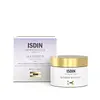
This smoothing night moisturizer is formulated around Glycolic Acid to refine skin texture and soften the look of wrinkles.
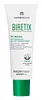
This acne treatment is formulated around Glycolic Acid and Niacinamide to clear breakouts and refine skin texture.

What's inside
What's inside
 Key Ingredients
Benefits
Concerns
Ingredients Side-by-side
Water
Skin ConditioningGlycolic Acid
Buffering











PEG-40 Stearate
Emulsifying
Glyceryl Stearate
Emollient
Cetyl Alcohol
Emollient

Stearyl Alcohol
Emollient
Butylene Glycol
Humectant

Isostearyl Isostearate
Emollient


Cetyl Palmitate
Emollient
Cyclopentasiloxane
Emollient
Dimethicone
Emollient
Glycerin
Humectant
Ammonium Hydroxide
BufferingPhenoxyethanol
Preservative
Cyclohexasiloxane
Emollient
Borago Officinalis Seed Oil
Emollient


Octyldodecanol
Emollient
Cellulose Gum
Emulsion StabilisingXanthan Gum
EmulsifyingDisodium EDTA
ChelatingEthylhexylglycerin
Skin ConditioningGlyceryl Polyacrylate
Tocopheryl Acetate
Antioxidant

Isocetyl Alcohol
Emollient
BHT
Antioxidant
Ceramide NP
Skin Conditioning
Water, Glycolic Acid, PEG-40 Stearate, Glyceryl Stearate, Cetyl Alcohol, Stearyl Alcohol, Butylene Glycol, Isostearyl Isostearate, Cetyl Palmitate, Cyclopentasiloxane, Dimethicone, Glycerin, Ammonium Hydroxide, Phenoxyethanol, Cyclohexasiloxane, Borago Officinalis Seed Oil, Octyldodecanol, Cellulose Gum, Xanthan Gum, Disodium EDTA, Ethylhexylglycerin, Glyceryl Polyacrylate, Tocopheryl Acetate, Isocetyl Alcohol, BHT, Ceramide NP
Water
Skin ConditioningAlcohol Denat.
Antimicrobial

Glycolic Acid 15%
Buffering
Niacinamide 5%
Smoothing
Propylene Glycol
Humectant
Salicylic Acid 2%
Masking
Ammonium Hydroxide
BufferingPolyquaternium-10
Retinol
Skin Conditioning
Hydroxypinacolone Retinoate
Skin Conditioning
Oligopeptide-10
Antimicrobial
Oryza Sativa Bran Extract
Skin Conditioning
Boswellia Serrata Extract
Skin Conditioning
Honey Extract
Humectant
Butylene Glycol
Humectant
Ethylhexylglycerin
Skin ConditioningTetrasodium EDTA
ChelatingPentylene Glycol
Skin Conditioning
Palmitoyl Hydroxypropyltrimonium Amylopectin/Glycerin Crosspolymer
Skin ConditioningDimethyl Isosorbide
Solvent1,2-Hexanediol
Skin Conditioning
Polysorbate 20
Emulsifying
Caprylyl Glycol
Emollient
Hydrogenated Lecithin
Emulsifying
BHT
Antioxidant
BHA
Antioxidant
Water, Alcohol Denat., Glycolic Acid 15%, Niacinamide 5%, Propylene Glycol, Salicylic Acid 2%, Ammonium Hydroxide, Polyquaternium-10, Retinol, Hydroxypinacolone Retinoate, Oligopeptide-10, Oryza Sativa Bran Extract, Boswellia Serrata Extract, Honey Extract, Butylene Glycol, Ethylhexylglycerin, Tetrasodium EDTA, Pentylene Glycol, Palmitoyl Hydroxypropyltrimonium Amylopectin/Glycerin Crosspolymer, Dimethyl Isosorbide, 1,2-Hexanediol, Polysorbate 20, Caprylyl Glycol, Hydrogenated Lecithin, BHT, BHA
Reviews
Ingredients Explained
These ingredients are found in both products.
Ingredients higher up in an ingredient list are typically present in a larger amount.
We don't have a description for Ammonium Hydroxide yet.
BHT is a synthetic antioxidant and preservative.
As an antioxidant, it helps your body fight off free-radicals. Free-radicals are molecules that may damage your skin cells.
As a preservative, it is used to stabilize products and prevent them from degrading. Specifically, BHT prevents degradation from oxidation.
The concerns related to BHT come from oral studies; this ingredient is currently allowed for use by both the FDA and EU.
However, it was recently restricted for use in the UK as of April 2024.
Learn more about BHTButylene Glycol (or BG) is used within cosmetic products for a few different reasons:
Overall, Butylene Glycol is a safe and well-rounded ingredient that works well with other ingredients.
Though this ingredient works well with most skin types, some people with sensitive skin may experience a reaction such as allergic rashes, closed comedones, or itchiness.
Learn more about Butylene GlycolEthylhexylglycerin is created from glycerin. It is a multitasker ingredient that:
The CIR Expert Panel found minimal skin absorption or sensitization of any kind in a safety assessment. Though this ingredient is considered well-tolerated, a small number of cases of allergic dermatitis have been published since 2002. Just be sure to patch test if you are unsure.
Industry-reported use ranges from 8% in rinse-off products and 2% in leave-on formulations.
Learn more about EthylhexylglycerinGlycolic Acid is arguably the most famous alpha hydroxy acid (AHA) with tons of research backing its benefits.
It is found naturally in sugar cane but the form used in skincare is usually synthetic for purity and stability.
Glycolic acid removes the top layer of dead skin cells to allow newer and fresher ones to emerge.
AHAs work by breaking down the structural “glue” that holds old skin cells in place. When that buildup is gone, your skin can renew itself more efficiently.
Research also shows glycolic acid stimulates collagen production, helping to firm and thicken the skin over time. This is one of its biggest advantages over other AHAs.
Overall, glycolic acid helps with:
Fun fact: Glycolic acid boosts skin hydration by helping it produce molecules that increase hyaluronic acid naturally.
To work best, glycolic acid products should have a pH between 3-4 (that’s where exfoliation is most effective but still gentle on skin).
The pH and concentration of a product are key to its effectiveness:
It is normal to feel a slight stinging sensation when using glycolic acid. This usually fades as your skin adjusts.
Because glycolic acid has the smallest molecular size in the AHA family, it can penetrate deeper, which enhances its effectiveness but also makes it more likely to irritate sensitive skin.
If your skin is very sensitive or prone to rosacea, glycolic acid may be too strong; in that case, try milder options like lactic acid or a PHA instead.
Recent studies suggest glycolic acid might even help protect against UV damage. But don’t skip sunscreen! Freshly exfoliated skin is more sensitive to the sun.
Glycolic acid is a skincare superstar. It smooths, brightens, hydrates, and firms the skin. Unless you’re highly sensitive, it’s well worth adding to your routine.
Read more about some other popular AHA's here:
Learn more about Glycolic AcidWater. It's the most common cosmetic ingredient of all. You'll usually see it at the top of ingredient lists, meaning that it makes up the largest part of the product.
So why is it so popular? Water most often acts as a solvent - this means that it helps dissolve other ingredients into the formulation.
You'll also recognize water as that liquid we all need to stay alive. If you see this, drink a glass of water. Remember to stay hydrated!
Learn more about Water

