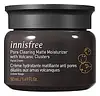
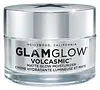
innisfree Pore Clearing Matte Moisturizer with Volcanic Clusters Versus GLAMGLOW Volcasmic Matte Glow Moisturizer
This pore-care moisturizer is formulated around Lactic Acid and Salicylic Acid to refine the look of pores and balance excess oil.
This moisturizer is formulated around Opuntia Ficus-Indica Stem Extract to calm irritation.


What's inside
What's inside
 Key Ingredients
Benefits
Concerns
Ingredients Side-by-side
Water
Skin ConditioningButylene Glycol
Humectant

Propanediol
Solvent
Limnanthes Alba Seed Oil
Skin Conditioning


Methyl Trimethicone
Skin Conditioning
Hydrogenated Poly(C6-14 Olefin)
EmollientPolymethylsilsesquioxane
1,2-Hexanediol
Skin Conditioning
Diphenylsiloxy Phenyl Trimethicone
Skin Conditioning
C14-22 Alcohols
Emulsion Stabilising
CI 77891
Cosmetic ColorantHydrogenated Lecithin
Emulsifying
Hydroxypropyl Starch Phosphate
Cetyl Hydroxyethylcellulose
Emulsion StabilisingAmmonium Acryloyldimethyltaurate/Vp Copolymer
Hydroxyethyl Acrylate/Sodium Acryloyldimethyl Taurate Copolymer
Emulsion StabilisingGlyceryl Stearate
Emollient
C12-20 Alkyl Glucoside
EmulsifyingGlyceryl Caprylate
EmollientDisodium EDTA
ChelatingEthylhexylglycerin
Skin ConditioningTromethamine
BufferingLactic Acid
Buffering









Salicylic Acid
Masking



Gluconolactone
Chelating
Sorbitan Isostearate
Emulsifying
Hydrated Silica
Abrasive
Volcanic Ash
Abrasive
Disodium Phosphate
BufferingSilica Dimethyl Silylate
EmollientGlucose
Humectant
Silica
Abrasive
Lactic Acid/Glycolic Acid Copolymer
Skin ConditioningTocopherol
Antioxidant


Polyquaternium-10
Water, Butylene Glycol, Propanediol, Limnanthes Alba Seed Oil, Methyl Trimethicone, Hydrogenated Poly(C6-14 Olefin), Polymethylsilsesquioxane, 1,2-Hexanediol, Diphenylsiloxy Phenyl Trimethicone, C14-22 Alcohols, CI 77891, Hydrogenated Lecithin, Hydroxypropyl Starch Phosphate, Cetyl Hydroxyethylcellulose, Ammonium Acryloyldimethyltaurate/Vp Copolymer, Hydroxyethyl Acrylate/Sodium Acryloyldimethyl Taurate Copolymer, Glyceryl Stearate, C12-20 Alkyl Glucoside, Glyceryl Caprylate, Disodium EDTA, Ethylhexylglycerin, Tromethamine, Lactic Acid, Salicylic Acid, Gluconolactone, Sorbitan Isostearate, Hydrated Silica, Volcanic Ash, Disodium Phosphate, Silica Dimethyl Silylate, Glucose, Silica, Lactic Acid/Glycolic Acid Copolymer, Tocopherol, Polyquaternium-10
Water
Skin ConditioningCyclopentasiloxane
Emollient
Ceresin
Emulsion StabilisingGlycerin
Humectant
Dimethicone
Emollient
PEG-10 Dimethicone
Skin Conditioning
Propanediol
Solvent
Volcanic Sand
Skin ConditioningSolanum Lycopersicum Leaf Cell Culture Extract
Skin ConditioningDaphne Odora Callus Extract
Skin ProtectingOpuntia Ficus-Indica Callus Culture Extract
Antioxidant
Opuntia Ficus-Indica Stem Extract
Skin Conditioning
Ethylhexylglycerin
Skin ConditioningC12-15 Alkyl Benzoate
AntimicrobialBenzyl Benzoate
Antimicrobial


Silica
Abrasive
Sorbitan Olivate
Emulsifying
Panthenol
Skin Conditioning
Distearyldimonium Chloride
Disteardimonium Hectorite
StabilisingSodium Chloride
MaskingCaprylyl Glycol
Emollient
Cetyl Alcohol
Emollient
Parfum
Masking
Citral
Perfuming
Linalool
Perfuming
Limonene
Perfuming
Disodium EDTA
ChelatingPhenoxyethanol
Preservative
Water, Cyclopentasiloxane, Ceresin, Glycerin, Dimethicone, PEG-10 Dimethicone, Propanediol, Volcanic Sand, Solanum Lycopersicum Leaf Cell Culture Extract, Daphne Odora Callus Extract, Opuntia Ficus-Indica Callus Culture Extract, Opuntia Ficus-Indica Stem Extract, Ethylhexylglycerin, C12-15 Alkyl Benzoate, Benzyl Benzoate, Silica, Sorbitan Olivate, Panthenol, Distearyldimonium Chloride, Disteardimonium Hectorite, Sodium Chloride, Caprylyl Glycol, Cetyl Alcohol, Parfum, Citral, Linalool, Limonene, Disodium EDTA, Phenoxyethanol
Reviews
Ingredients Explained
These ingredients are found in both products.
Ingredients higher up in an ingredient list are typically present in a larger amount.
Disodium EDTA is a chelating agent. It grabs onto and deactivates metal ions that sneak into your products from water, packaging, or air.
This ingredient mainly works behind the scenes and helps with:
On top of that, this ingredient can counteract the effects of hard water by binding to the minerals in it.
One thing worth knowing is that Disodium EDTA has been shown to be a mild penetration enhancer. It can help other ingredients absorb into skin more effectively which can be a double-edged sword (great for actives, but can also make the active too strong if you have sensitive skin).
Clinical patch testing showed no significant skin irritation at typical use concentrations and minimal dermal absorption.
You'll most likely see this ingredient near the end of an ingredient list. It's typically found in concentrations less than 1%.
Learn more about Disodium EDTAEthylhexylglycerin is created from glycerin. It is a multitasker ingredient that:
The CIR Expert Panel found minimal skin absorption or sensitization of any kind in a safety assessment. Though this ingredient is considered well-tolerated, a small number of cases of allergic dermatitis have been published since 2002. Just be sure to patch test if you are unsure.
Industry-reported use ranges from 8% in rinse-off products and 2% in leave-on formulations.
Learn more about EthylhexylglycerinPropanediol is an all-star ingredient. It softens, hydrates, and smooths the skin.
It’s often used to:
Propanediol is not likely to cause sensitivity and considered safe to use. It is derived from corn or petroleum with a clear color and no scent.
Learn more about PropanediolSilica, also known as silicon dioxide, is a naturally occurring mineral. It is used as a fine, spherical, and porous powder in cosmetics.
Though it has exfoliant properties, the function of silica varies depending on the product.
The unique structure of silica enhances the spreadability and adds smoothness, making it a great texture enhancer.
It is also used as an active carrier, emulsifier, and mattifier due to its ability to absorb excess oil.
In some products, tiny microneedles called spicules are made from silica or hydrolyzed sponge. When you rub them in, they lightly polish away dead skin layers and enhance the penetration of active ingredients.
Learn more about SilicaWater. It's the most common cosmetic ingredient of all. You'll usually see it at the top of ingredient lists, meaning that it makes up the largest part of the product.
So why is it so popular? Water most often acts as a solvent - this means that it helps dissolve other ingredients into the formulation.
You'll also recognize water as that liquid we all need to stay alive. If you see this, drink a glass of water. Remember to stay hydrated!
Learn more about Water

