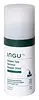
This anti-aging treatment is formulated around Camellia Sinensis Leaf Extract and Retinol to soften the look of wrinkles and refine skin texture.
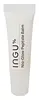
This barrier-repair lip moisturizer is formulated around Ceramide NP and Palmitoyl Tripeptide-1 to strengthen the lip barrier and hydrate lips.

What's inside
What's inside
 Key Ingredients
Benefits
Concerns
Ingredients Side-by-side
Water
Skin ConditioningGlycerin
Humectant


Camellia Sinensis Leaf Extract 3%
Antimicrobial






Hydrolyzed Jojoba Esters
Skin Conditioning

Butylene Glycol
Humectant
Polyacrylate Crosspolymer-6
Emulsion StabilisingXylitylglucoside
Humectant
Glycine Soja Oil
Emollient




Phenoxyethanol
Preservative
Anhydroxylitol
Humectant
Caprylyl/Capryl Glucoside
CleansingPropanediol
Solvent
Xylitol
Humectant
Allantoin
Skin Conditioning
Carrageenan
Disodium EDTA
ChelatingRetinol 3%
Skin Conditioning



Ethylhexylglycerin
Skin ConditioningCetyl Palmitate
Emollient
Lauryl Glucoside
CleansingSorbitan Stearate
Emulsifying
Hydrogenated Lecithin
Emulsifying
Hydroxypropyl Cyclodextrin
MaskingMirabilis Jalapa Extract
Skin ConditioningCaprylyl Glycol
Emollient
Palmitoyl Tripeptide-38
Skin Conditioning
Water, Glycerin, Camellia Sinensis Leaf Extract 3%, Hydrolyzed Jojoba Esters, Butylene Glycol, Polyacrylate Crosspolymer-6, Xylitylglucoside, Glycine Soja Oil, Phenoxyethanol, Anhydroxylitol, Caprylyl/Capryl Glucoside, Propanediol, Xylitol, Allantoin, Carrageenan, Disodium EDTA, Retinol 3%, Ethylhexylglycerin, Cetyl Palmitate, Lauryl Glucoside, Sorbitan Stearate, Hydrogenated Lecithin, Hydroxypropyl Cyclodextrin, Mirabilis Jalapa Extract, Caprylyl Glycol, Palmitoyl Tripeptide-38
Dipentaerythrityl Hexahydroxystearate/Hexastearate/Hexarosinate
Skin ConditioningHydrogenated Polyisobutene
EmollientDiisostearyl Malate
EmollientEthylhexyl Palmitate
Emollient
Jojoba Esters
Emollient
Acacia Decurrens Flower Wax
Emollient
Helianthus Annuus Seed Wax
Skin Conditioning
Polyglycerin-3
Humectant
Ceramide EOP
Skin Conditioning
Ceramide Ns
Skin Conditioning
Ceramide NP
Skin Conditioning
Ceramide As
Skin Conditioning
Ceramide AP
Skin Conditioning
Hydrogenated Lecithin
Emulsifying
Glyceryl Stearate
Emollient
2,3-Butanediol
HumectantWater
Skin ConditioningButyrospermum Parkii Butter
Skin Conditioning
Kojic Dipalmitate
Emollient
Palmitoyl Tripeptide-1
Skin Conditioning
Oryza Sativa Extract
Absorbent
Phenoxyethanol
Preservative
Maltodextrin
Absorbent
BHT
Antioxidant
Dipentaerythrityl Hexahydroxystearate/Hexastearate/Hexarosinate, Hydrogenated Polyisobutene, Diisostearyl Malate, Ethylhexyl Palmitate, Jojoba Esters, Acacia Decurrens Flower Wax, Helianthus Annuus Seed Wax, Polyglycerin-3, Ceramide EOP, Ceramide Ns, Ceramide NP, Ceramide As, Ceramide AP, Hydrogenated Lecithin, Glyceryl Stearate, 2,3-Butanediol, Water, Butyrospermum Parkii Butter, Kojic Dipalmitate, Palmitoyl Tripeptide-1, Oryza Sativa Extract, Phenoxyethanol, Maltodextrin, BHT
Reviews
Ingredients Explained
These ingredients are found in both products.
Ingredients higher up in an ingredient list are typically present in a larger amount.
Hydrogenated Lecithin is a more stable version of lecithin.
It's made by taking lecithin (a phospholipid commonly found in soybeans and egg yolks) and hydrogenating it. This just means the unsaturated fatty acids are turned into saturated ones so they don't go bad as easily.
This ingredient is an emollient, emulsifier, and penetration enhancer. As an emollient, it helps soften and hydrate skin by trapping moisture within. As an emulsifier, it prevents oil and water ingredients from separating.
Hydrogenated Lecithin can form tiny spherical structures made of phospholipid bilayers called liposomes. These liposomes are able to capture compounds inside their structure and deliver them through the skin barrier.
Because phospholipids are a natural component of our cell membranes, this ingredient is inherently compatible with skin.
A 2021 study found lecithin-based surfactants were less harsh and more tolerable comared to Sodium Lauryl Sulfate (SLS).
Learn more about Hydrogenated LecithinPhenoxyethanol is one of the most widely used preservatives in skincare (and for good reason!).
It has a large spectrum of antimicrobial activity and especially effective bacteria, yeast, and mold while only having a weak effect on your skin's natural microbiome.
On a cellular level, it disrupts the cell membranes of microbes by poking holes that make the cell leak. This shuts down the chemical reactions the microbe needs to make energy so it can no longer survive.
Another perk of this ingredient is that it stays functional across a wide pH range (3-10).
You'll often see it paired with boosters like Ethylhexylglycerin; one study showed that a 1:9 ratio of Ethylhexylglycerin to Phenoxyethanol damages bacterial membranes as effectively as doubling the Phenoxyethanol concentration on its own.
Typical use concentrations range from 0.3-1% depending on the formula, and this ingredient is capped at 1% int the EU.
Safety-wise, the fear mongering does not hold up to the evidence. The EU's Scientific Committee on Consumer Safety and FDA consider it safe as a preservative at up to 1%, including for children of all ages.
Adverse systemic effects only showed up in animal studies at exposures roughly 200x higher than what people get from cosmetics. And despite its very widespread use, this ingredient is a rare sensitizer and allergic reactions are uncommon.
Learn more about PhenoxyethanolWater. It's the most common cosmetic ingredient of all. You'll usually see it at the top of ingredient lists, meaning that it makes up the largest part of the product.
So why is it so popular? Water most often acts as a solvent - this means that it helps dissolve other ingredients into the formulation.
You'll also recognize water as that liquid we all need to stay alive. If you see this, drink a glass of water. Remember to stay hydrated!
Learn more about Water

