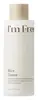
This brightening toner is formulated around Oryza Sativa Extract and Niacinamide to brighten dull-looking skin and hydrate skin.
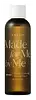
This barrier-repair toner is formulated around Bifida Ferment Lysate and Centella Asiatica Extract to strengthen the skin barrier and calm redness.

What's inside
What's inside
 Key Ingredients
Benefits
Concerns
Ingredients Side-by-side
Oryza Sativa Extract 77.78%
Absorbent



Methylpropanediol
SolventTriethylhexanoin
MaskingHydrogenated Poly(C6-14 Olefin)
EmollientNiacinamide
Smoothing








Pentylene Glycol
Skin Conditioning
Portulaca Oleracea Extract
Skin Conditioning
Oryza Sativa Bran Extract
Skin Conditioning
Ulmus Davidiana Root Extract
Skin Conditioning
Amaranthus Caudatus Seed Extract
Skin Conditioning
Hydrogenated Lecithin
Emulsifying
Water
Skin ConditioningPolyglyceryl-10 Myristate
Skin Conditioning

Butylene Glycol
Humectant
Adenosine
Skin Conditioning
Cellulose Gum
Emulsion StabilisingEthylhexylglycerin
Skin Conditioning1,2-Hexanediol
Skin Conditioning
Oryza Sativa Extract 77.78%, Methylpropanediol, Triethylhexanoin, Hydrogenated Poly(C6-14 Olefin), Niacinamide, Pentylene Glycol, Portulaca Oleracea Extract, Oryza Sativa Bran Extract, Ulmus Davidiana Root Extract, Amaranthus Caudatus Seed Extract, Hydrogenated Lecithin, Water, Polyglyceryl-10 Myristate, Butylene Glycol, Adenosine, Cellulose Gum, Ethylhexylglycerin, 1,2-Hexanediol
Water
Skin ConditioningButylene Glycol
Humectant
Glycerin
Humectant
1,2-Hexanediol
Skin Conditioning
Bifida Ferment Lysate
Skin Conditioning
Pentylene Glycol
Skin Conditioning
Propanediol
Solvent
Centella Asiatica Extract
Cleansing
Ficus Carica Fruit Extract
Humectant
Artemisia Princeps Leaf Extract
Skin ConditioningUlmus Davidiana Root Extract
Skin Conditioning
Amaranthus Caudatus Seed Extract
Skin Conditioning
Hydrogenated Lecithin
Emulsifying
Juniperus Virginiana Oil
Masking


Cedrus Atlantica Bark Oil
Masking

Amyris Balsamifera Bark Oil
Masking
Pogostemon Cablin Leaf Oil
Masking
Sodium Hyaluronate
Humectant
Methylpropanediol
SolventOctyldodeceth-16
EmulsifyingFructooligosaccharides
Humectant
Carbomer
Emulsion StabilisingTromethamine
BufferingSodium Acrylic Acid/Ma Copolymer
Disodium EDTA
Copaifera Officinalis Resin
MaskingCeramide NP
Skin Conditioning
Lactobacillus Ferment Lysate
Skin Conditioning
Lactococcus Ferment Lysate
Skin Conditioning
Bifida Ferment Filtrate
Skin Conditioning
Saccharomyces Ferment Filtrate
Humectant
Ethylhexylglycerin
Skin ConditioningCaprylyl Glycol
Emollient
Water, Butylene Glycol, Glycerin, 1,2-Hexanediol, Bifida Ferment Lysate, Pentylene Glycol, Propanediol, Centella Asiatica Extract, Ficus Carica Fruit Extract, Artemisia Princeps Leaf Extract, Ulmus Davidiana Root Extract, Amaranthus Caudatus Seed Extract, Hydrogenated Lecithin, Juniperus Virginiana Oil, Cedrus Atlantica Bark Oil, Amyris Balsamifera Bark Oil, Pogostemon Cablin Leaf Oil, Sodium Hyaluronate, Methylpropanediol, Octyldodeceth-16, Fructooligosaccharides, Carbomer, Tromethamine, Sodium Acrylic Acid/Ma Copolymer, Disodium EDTA, Copaifera Officinalis Resin, Ceramide NP, Lactobacillus Ferment Lysate, Lactococcus Ferment Lysate, Bifida Ferment Filtrate, Saccharomyces Ferment Filtrate, Ethylhexylglycerin, Caprylyl Glycol
Reviews
Ingredients Explained
These ingredients are found in both products.
Ingredients higher up in an ingredient list are typically present in a larger amount.
1,2-Hexanediol is a synthetic liquid and another multi-functional powerhouse.
It is a:
- Humectant, drawing moisture into the skin
- Emollient, helping to soften skin
- Solvent, dispersing and stabilizing formulas
- Preservative booster, enhancing the antimicrobial activity of other preservatives
This ingredient comes from the seed of the velvet flower. It has skin hydrating, nourishing, and antioxidant properties.
This seed is rich in peptides, fatty acids, squalene, vitamin C, and vitamin E.
According to manufacturer, this ingredient is great for adding softness and shine to hair.
Learn more about Amaranthus Caudatus Seed ExtractButylene Glycol (or BG) is used within cosmetic products for a few different reasons:
Overall, Butylene Glycol is a safe and well-rounded ingredient that works well with other ingredients.
Though this ingredient works well with most skin types, some people with sensitive skin may experience a reaction such as allergic rashes, closed comedones, or itchiness.
Learn more about Butylene GlycolEthylhexylglycerin is created from glycerin. It is a multitasker ingredient that:
The CIR Expert Panel found minimal skin absorption or sensitization of any kind in a safety assessment. Though this ingredient is considered well-tolerated, a small number of cases of allergic dermatitis have been published since 2002. Just be sure to patch test if you are unsure.
Industry-reported use ranges from 8% in rinse-off products and 2% in leave-on formulations.
Learn more about EthylhexylglycerinHydrogenated Lecithin is a more stable version of lecithin.
It's made by taking lecithin (a phospholipid commonly found in soybeans and egg yolks) and hydrogenating it. This just means the unsaturated fatty acids are turned into saturated ones so they don't go bad as easily.
This ingredient is an emollient, emulsifier, and penetration enhancer. As an emollient, it helps soften and hydrate skin by trapping moisture within. As an emulsifier, it prevents oil and water ingredients from separating.
Hydrogenated Lecithin can form tiny spherical structures made of phospholipid bilayers called liposomes. These liposomes are able to capture compounds inside their structure and deliver them through the skin barrier.
Because phospholipids are a natural component of our cell membranes, this ingredient is inherently compatible with skin.
A 2021 study found lecithin-based surfactants were less harsh and more tolerable comared to Sodium Lauryl Sulfate (SLS).
Learn more about Hydrogenated LecithinMethylpropanediol is a synthetic solvent and humectant.
As a solvent, it helps dissolve other ingredients, helping to evenly distribute ingredients throughout the product. This ingredient has also been shown to have antimicrobial properties which makes it a preservative booster.
Methylpropanediol is able to add a bit of moisture to the skin. It also helps other ingredients be better absorbed into the skin, such as salicylic acid.
Learn more about MethylpropanediolPentylene Glycol (1,2-pentanediol) is a multitasking little diol with three main roles in a formula:
Research on alkanediols (the family pentylene glycol belongs to) show they work by disrupting microbial cell membranes. This disruption helps the primary preservative system in a product work more effectively at lower doses.
On the safety side, the Cosmetic Ingredient Review Expert Panel has concluded this ingredient to be safe as used in current cosmetic practices + concentrations.
Typical use levels in a formula run about 1-5%.
Learn more about Pentylene GlycolThis tree is also known as the David Elm. It contains the ingredient bakuchiol.
Other great compounds found in this ingredient include galactose, glucose, and phenolics. The sugar content gives it great skin hydrating properties. Phenolics are potent antioxidants commonly found in fruits and veggies.
A 2020 study found the phenolics of this root to have an anti-inflammatory effect.
Fun fact: This ingredient is used in traditional Asian medicine.
Learn more about Ulmus Davidiana Root ExtractWater. It's the most common cosmetic ingredient of all. You'll usually see it at the top of ingredient lists, meaning that it makes up the largest part of the product.
So why is it so popular? Water most often acts as a solvent - this means that it helps dissolve other ingredients into the formulation.
You'll also recognize water as that liquid we all need to stay alive. If you see this, drink a glass of water. Remember to stay hydrated!
Learn more about Water

