
What's inside
What's inside
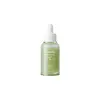 Key Ingredients
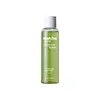
Benefits
Concerns
Ingredients Side-by-side
Water
Skin ConditioningButylene Glycol
Humectant

Dipropylene Glycol
HumectantGlycerin
Humectant
Niacinamide
Smoothing









Camellia Sinensis Leaf Water
Masking
Coco-Caprylate/Caprate
Emollient
Sodium Polyacrylate
Absorbent
Hydroxyacetophenone
Antioxidant
Caprylyl Glycol
Emollient
Cetearyl Olivate

Sorbitan Olivate
Emulsifying
Sodium Acrylate/Sodium Acryloyldimethyl Taurate Copolymer
Emulsion StabilisingEthylhexylglycerin
Skin ConditioningPanthenol
Skin Conditioning
Polyisobutene
Adenosine
Skin Conditioning
1,2-Hexanediol
Skin Conditioning
Citric Acid
Buffering

Disodium EDTA
Dextrin
AbsorbentCamellia Sinensis Leaf Extract
Antimicrobial
Caprylyl/Capryl Glucoside
CleansingSorbitan Oleate
Emulsifying
Malt Extract
Skin ProtectingGlyceryl Acrylate/Acrylic Acid Copolymer
HumectantPvm/Ma Copolymer
Emulsion StabilisingGardenia Florida Fruit Extract
Skin ConditioningCoptis Japonica Root Extract
Skin ConditioningArginine
Masking
Maltodextrin
Absorbent
Mannitol
Humectant
Acetyl Tetrapeptide-2
Skin Conditioning
Epigallocatechin Gallate
Antioxidant
Sh-Decapeptide-5 Sp
Skin Conditioning
Water, Butylene Glycol, Dipropylene Glycol, Glycerin, Niacinamide, Camellia Sinensis Leaf Water, Coco-Caprylate/Caprate, Sodium Polyacrylate, Hydroxyacetophenone, Caprylyl Glycol, Cetearyl Olivate, Sorbitan Olivate, Sodium Acrylate/Sodium Acryloyldimethyl Taurate Copolymer, Ethylhexylglycerin, Panthenol, Polyisobutene, Adenosine, 1,2-Hexanediol, Citric Acid, Disodium EDTA, Dextrin, Camellia Sinensis Leaf Extract, Caprylyl/Capryl Glucoside, Sorbitan Oleate, Malt Extract, Glyceryl Acrylate/Acrylic Acid Copolymer, Pvm/Ma Copolymer, Gardenia Florida Fruit Extract, Coptis Japonica Root Extract, Arginine, Maltodextrin, Mannitol, Acetyl Tetrapeptide-2, Epigallocatechin Gallate, Sh-Decapeptide-5 Sp
Water
Skin ConditioningButylene Glycol
Humectant
Glycerin
Humectant
Isopentyldiol
Humectant
Propanediol
Solvent
1,2-Hexanediol
Skin Conditioning
Niacinamide
Smoothing
Camellia Sinensis Leaf Water
Masking
Panthenol
Skin Conditioning
Ethylhexylglycerin
Skin ConditioningXanthan Gum
EmulsifyingAdenosine
Skin Conditioning
Ammonium Acryloyldimethyltaurate/Vp Copolymer
Disodium EDTA
Sodium Hyaluronate
Humectant
Dextrin
AbsorbentCamellia Sinensis Leaf Extract
Antimicrobial
Malt Extract
Skin ProtectingGardenia Florida Fruit Extract
Skin ConditioningCoptis Japonica Root Extract
Skin ConditioningArginine
Masking
Citric Acid
Buffering
Maltodextrin
Absorbent
Caprylyl Glycol
Emollient
Mannitol
Humectant
Acetyl Tetrapeptide-2
Skin Conditioning
Epigallocatechin Gallate
Antioxidant
Sh-Decapeptide-5 Sp
Skin Conditioning
Water, Butylene Glycol, Glycerin, Isopentyldiol, Propanediol, 1,2-Hexanediol, Niacinamide, Camellia Sinensis Leaf Water, Panthenol, Ethylhexylglycerin, Xanthan Gum, Adenosine, Ammonium Acryloyldimethyltaurate/Vp Copolymer, Disodium EDTA, Sodium Hyaluronate, Dextrin, Camellia Sinensis Leaf Extract, Malt Extract, Gardenia Florida Fruit Extract, Coptis Japonica Root Extract, Arginine, Citric Acid, Maltodextrin, Caprylyl Glycol, Mannitol, Acetyl Tetrapeptide-2, Epigallocatechin Gallate, Sh-Decapeptide-5 Sp
Ingredients Explained
These ingredients are found in both products.
Ingredients higher up in an ingredient list are typically present in a larger amount.
1,2-Hexanediol is a synthetic liquid and another multi-functional powerhouse.
It is a:
- Humectant, drawing moisture into the skin
- Emollient, helping to soften skin
- Solvent, dispersing and stabilizing formulas
- Preservative booster, enhancing the antimicrobial activity of other preservatives
This peptide is more commonly known as Thymulen 4 BG.
It is derived from a youth hormone called thymopoietin. Thymopoietin helps regulate the immune system and decreases naturally with age.
According to the manufacturer, this peptide boosts the skin's immune defenses and regenerates the outer layers of skin.
Learn more about Acetyl Tetrapeptide-2Adenosine is in every living organism. It is one of four components in nucleic acids that helps store our DNA.
Adenosine has many benefits when used. These benefits include hydrating the skin, smoothing skin, and reducing wrinkles. Once applied, adenosine increases collagen production. It also helps with improving firmness and tissue repair.
Studies have found adenosine may also help with wound healing.
In skincare products, Adenosine is usually derived from yeast.
Learn more about AdenosineArginine is a semi-essential amino acid. This just means our bodies can product a bit on its own, but sometimes needs a little boost from food sources.
It is a part of your skin's natural moisturizing factor (NMF), or the water-loving molecules in your outermost layer of skin (stratum corneum) that keeps everything hydrated and happy.
Here's an interesting thing about Arginine: your skin converts it into urea through the Krebs-Henseleit urea cycle. Urea is one of the most effective humectants your skin naturally produces.
A clinical study showed applying 2.5% arginine hydrochloride to atopic dermatitis skin showed significant urea levels in the stratum corneum and improved moisture in just four weeks.
Arginine is also a precursor to nitric oxide; nitric oxide improves microcirculation and supports wound healing and collagen synthesis.
One study found that an amino acid complex containing Arginine reduced skin irritation, improved hydration, and accelerated skin repair in clinical / in-vivo studies.
Arginine itself is an amino acid and not a fatty acid, oil, or ester. On its own, it's not a direct food source for Malassezia, or the yeast that causes fungal acne.
Learn more about ArginineButylene Glycol (or BG) is used within cosmetic products for a few different reasons:
Overall, Butylene Glycol is a safe and well-rounded ingredient that works well with other ingredients.
Though this ingredient works well with most skin types, some people with sensitive skin may experience a reaction such as allergic rashes, closed comedones, or itchiness.
Learn more about Butylene GlycolCamellia Sinensis Leaf Extract (tea extract) is one of the most well-researched plant extracts in skincare with an impressive resume.
Black tea, green tea, and oolong tea are all harvested from the Camellia Sinensis plant.
Studies show green tea extract and its catechins (like epigallocatechin gallate (EGCG)) help your skin cells product energy more efficiently and reducing the number of free-radicals that can damage your skin from the inside.
In lab-grown skin models, this translated to younger, healthier, and stronger skin.
There's also good sun protection data; researchers saw less DNA damage and redness on human skin when green tea was applied before UVB exposure. And the more they applied, the better the protection.
Needless to say, this ingredient shouldn't replace your sunscreen. But it is a great supportive ingredient that you can already find in many sunscreens and antioxidant serums.
A 2009 study found a 2% green tea lotion was effective for mild-to-moderate acne thanks to its anti-inflammatory and mild antimicrobial activity.
The quality of the extract matters a lot here:
Good extracts contain 50-90% catechins while lower quality ones are mostly there for marketing. We recommend reaching out to the brand if you have questions about the quality or source of their ingredients.
Human Repeated Insult Patch Testing showed no irritation or sensitization at use concentrations (0.86% in leave-on products and up to 30% as leaf water).
Learn more about Camellia Sinensis Leaf ExtractCamellia Sinensis Leaf Water is also known as green tea hydrosol. It is the water leftover from steeping or steam-distilling tea.
It's mostly in cosmetics to lend a light tea scent and gentle refreshing feel (tonic) rather than acting as an active.
Unlike the extract, this ingredient only carries trace amounts of catechins, amino acids, and caffeine that makes tea leaf extract famous.
Learn more about Camellia Sinensis Leaf WaterCaprylyl Glycol is a humectant, skin conditioner, emollient, and preservative booster derived from either caprylic acid or synthetically created.
Typical use levels vary from 0.3-1% as a preservative booster and go up to 2% to condition skin.
Because it is not a free-fatty acid or alcohol, this ingredient is fungal acne safe (there's nothing for Malassezia to feed on).
Learn more about Caprylyl GlycolCitric Acid is an alpha hydroxy acid (AHA) naturally found in citrus fruits like oranges, lemons, and limes.
Like other AHAs, citric acid can exfoliate skin by breaking down the bonds that hold dead skin cells together. This helps reveal smoother and brighter skin underneath.
However, this exfoliating effect only happens at high concentrations (20%) which can be hard to find in cosmetic products.
Due to this, citric acid is usually included in small amounts as a pH adjuster. This helps keep products slightly more acidic and compatible with skin's natural pH.
In skincare formulas, citric acid can:
While it can provide some skin benefits, research shows lactic acid and glycolic acid are generally more effective and less irritating exfoliants.
Most citric acid used in skincare today is made by fermenting sugars (usually from molasses). This synthetic version is identical to the natural citrus form but easier to stabilize and use in formulations.
Read more about some other popular AHA's here:
Learn more about Citric AcidCoptis Japonica Root Extract, also known as Japanese Goldthread, is a traditional East Asian herb. It is prized for its anti-inflammatory, antioxidant, and antimicrobial properties.
That’s not all - research in the International Journal of Cosmetic Science found that its active compound, berberine, may help reduce fat accumulation and slow down fat cell development.
This makes it a promising ingredient for slimming and anti-cellulite products!
Learn more about Coptis Japonica Root ExtractDextrin is used to thicken a product and helps bind ingredients together. It is created from starch and glycogen.
As an emulsifier, dextrin prevents ingredients from separating. This helps elongate a product's shelf life.
Studies show coating UV filters with dextrin prevents these ingredients from being absorbed. This helps UV ingredients last longer on the skin.
Learn more about DextrinDisodium EDTA is a chelating agent. It grabs onto and deactivates metal ions that sneak into your products from water, packaging, or air.
This ingredient mainly works behind the scenes and helps with:
On top of that, this ingredient can counteract the effects of hard water by binding to the minerals in it.
One thing worth knowing is that Disodium EDTA has been shown to be a mild penetration enhancer. It can help other ingredients absorb into skin more effectively which can be a double-edged sword (great for actives, but can also make the active too strong if you have sensitive skin).
Clinical patch testing showed no significant skin irritation at typical use concentrations and minimal dermal absorption.
You'll most likely see this ingredient near the end of an ingredient list. It's typically found in concentrations less than 1%.
Learn more about Disodium EDTAEpigallocatechin Gallate (EGCG) is the most abundant catechin in green tea. It is a heavyweight antioxidant in the green tea family.
In skincare, it helps protect skin from photoaging damage by scavenging UV-induced reactive oxygen species and tampering down inflammatory pathways.
UV-exposed skin cells treated with EGCG showed less of the enzyme that chews up collagen, lower inflammatory signaling, and better preserved barrier function.
EGCG nudges skin cells to make more of your skin's built in moisturizing molecules, filaggrin and hyaluronic acid, for better skin hydration.
Because it inhibits melanogenesis, it also provides a mild brightening effect.
Clinically, topical EGCG has helped calm radiation-related skin irritation and scalp seborrheic dermatitis with no major side effects.
In an 8-week split-face study, topical EGCG at 1% and 5% significantly reduced inflammatory and non-inflammatory acne.
A study from 2023 on patients with Seborrhea (a chronic skin condition caused by overactive sebaceous glands) found that using a 5% EGCG cream (alone and combined with 2% L-carnitine) and found meaningful sebum reduction plus better hydration.
Just one caveat here: Most clinical trials used 1-5% concentrations and most cosmetics contain only 0.1-1%.
The only headache related to this ingredient is stability. EGCG degrades quickly with heat, light, oxygen, and higher pH.
That's why you'll usually see it in low-pH formulas (4.5-6.5) or paired with vitamin C + vitamin E to slow its degradation. Hyaluronic acid also stabilizes it and boosts its antioxidant activity.
Learn more about Epigallocatechin GallateEthylhexylglycerin is created from glycerin. It is a multitasker ingredient that:
The CIR Expert Panel found minimal skin absorption or sensitization of any kind in a safety assessment. Though this ingredient is considered well-tolerated, a small number of cases of allergic dermatitis have been published since 2002. Just be sure to patch test if you are unsure.
Industry-reported use ranges from 8% in rinse-off products and 2% in leave-on formulations.
Learn more about EthylhexylglycerinThis ingredient comes from the evergreen flowering plant, gardenia. It has skin conditioning properties.
Glycerin (or glycerol) is a compound naturally found in your skin. It's a powerhouse humectant that pulls water into the stratum corneum.
Topically, glycerin does several things at once:
Your skin makes glycerin on its own (mostly from sebaceous oil breakdown) and shuttles it to your outermost layer of skin, or your epidermis, via aquaporin-3.
Aquaporin-3 is a transporter that is essential for normal skin hydration, elasticity, and repair. Interestingly, mice lacking in AQP3 have dry and less elastic skin that can be fully corrected with glycerin.
This ingredient is non-irritating, plays well with almost every ingredient, and works across all skin types. Typical use is anywhere between 3-10% but can go up to 79% in some leave-on products.
Just know very high concentrations (>40%) can feel tacky in low humidity.
Glycerin is the name for this ingredient in American English. British English uses Glycerol/Glycerine.
Learn more about GlycerinWe don't have a description for Malt Extract yet.
Maltodextrin is a polysaccharide. It is derived from starch such as rice, corn, wheat, or potato starch.
In food, Maltodextrin is used to improve the texture and thicken a product. Due to its structure, it can help create a gel texture. As an emulsion stabilizer, it helps keep the ingredients in a product together.
As a polysaccharide, Maltodextrin has moisturizing properties. Polysaccharides are a type of carbohydrate. The top layer of skin uses polysaccharides to retain water, keeping the skin hydrated.
Maltodextrin is water soluble and has a sweet taste.
Learn more about MaltodextrinMannitol is a sugar alcohol. It is a humectant and moisturizes the skin. In vitro (not tested on a living organism), mannitol displays antioxidant properties.
When found in aqueous solutions, mannitol tends to become acidic. This is because it loses a hydrogen ion. This is why mannitol can often be found with pH adjusting ingredients, such as sodium bicarbonate.
Fun fact: Mannitol can be found in foods as a sweetener. It can be naturally found in mushrooms, algae, fruits, and veggies.
Learn more about MannitolNiacinamide is a multitasking form of vitamin B3 that strengthens the skin barrier, reduces pores and dark spots, regulates oil, and improves signs of aging.
And the best part? It's gentle and well-tolerated by most skin types, including sensitive and reactive skin.
You might have heard of "niacin flush", or the reddening of skin that causes itchiness. Niacinamide has not been found to cause this.
In very rare cases, some individuals may not be able to tolerate niacinamide at all or experience an allergic reaction to it.
If you are experiencing flaking, irritation, and dryness with this ingredient, be sure to double check all your products as this ingredient can be found in all categories of skincare.
When incorporating niacinamide into your routine, look out for concentration amounts. Typically, 5% niacinamide provides benefits such as fading dark spots. However, if you have sensitive skin, it is better to begin with a smaller concentration.
When you apply niacinamide to your skin, your body converts it into nicotinamide adenine dinucleotide (NAD). NAD is an essential coenzyme that is already found in your cells as "fuel" and powers countless biological processes.
In your skin, NAD helps repair cell damage, produce new healthy cells, support collagen production, strengthen the skin barrier, and fight environmental stressors (like UV and pollution).
Our natural NAD levels start to decline with age, leading to slower skin repair, visible aging, and a weaker skin barrier. By providing your skin niacinamide, you're recharging your skin's NAD levels. This leads to stronger, healthier, and younger looking skin.
Another name for vitamin B3 is nicotinamide. This vitamin is water-soluble and our bodies don't store it. We obtain Vitamin B3 from either food or skincare. Meat, fish, wheat, yeast, and leafy greens contain vitamin B3.
The type of niacinamide used in skincare is synthetically created.
Learn more about NiacinamidePanthenol is a common ingredient that helps hydrate and soothe the skin. It is found naturally in our skin and hair.
There are two forms of panthenol: D and L.
D-panthenol is also known as dexpanthenol. Most cosmetics use dexpanthenol or a mixture of D and L-panthenol.
Panthenol is famous due to its ability to go deeper into the skin's layers. Using this ingredient has numerous pros (and no cons):
Like hyaluronic acid, panthenol is a humectant. Humectants are able to bind and hold large amounts of water to keep skin hydrated.
This ingredient works well for wound healing. It works by increasing tissue in the wound and helps close open wounds.
Once oxidized, panthenol converts to pantothenic acid. Panthothenic acid is found in all living cells.
This ingredient is also referred to as pro-vitamin B5.
Learn more about PanthenolSh-Decapeptide-5 Sp is a peptide.
Water. It's the most common cosmetic ingredient of all. You'll usually see it at the top of ingredient lists, meaning that it makes up the largest part of the product.
So why is it so popular? Water most often acts as a solvent - this means that it helps dissolve other ingredients into the formulation.
You'll also recognize water as that liquid we all need to stay alive. If you see this, drink a glass of water. Remember to stay hydrated!
Learn more about Water
