Haruharu Wonder Black Rice Night Knight Retinol Serum Versus Good Light We Come In Peace Microbiome Serum
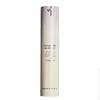
This anti-aging serum is formulated around Bakuchiol and Oryza Sativa Extract to soften the look of wrinkles and refine skin texture.
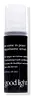
This barrier-repair serum is formulated around Bakuchiol and Lactococcus Ferment Lysate to strengthen the skin barrier and calm redness.


What's inside
What's inside
 Key Ingredients
Benefits
Concerns
Ingredients Side-by-side
Water
Skin ConditioningCaprylic/Capric Triglyceride
Masking


Hydrogenated Polyisobutene
EmollientGlycerin
Humectant
Helianthus Annuus Seed Oil
Emollient


1,2-Hexanediol
Skin Conditioning
Bakuchiol
Antimicrobial








C14-22 Alcohols
Emulsion Stabilising
Potassium Cetyl Phosphate
EmulsifyingC12-20 Alkyl Glucoside
EmulsifyingOryza Sativa Extract
Absorbent
Arginine
Masking
Acrylates/C10-30 Alkyl Acrylate Crosspolymer
Emulsion StabilisingPhyllostachys Pubescens Shoot Bark Extract
Skin ConditioningDisodium EDTA
ChelatingRetinol 0.08%
Skin Conditioning



Aspergillus Ferment
Skin ConditioningEthylhexylglycerin
Skin ConditioningPolyglyceryl-10 Stearate
Skin Conditioning
Xanthan Gum
EmulsifyingAdenosine
Skin Conditioning
Hydrogenated Lecithin
Emulsifying
Glyceryl Stearate
Emollient
Polyglyceryl-2 Stearate
Emulsifying
Ceramide NP
Skin Conditioning
Dipropylene Glycol
HumectantStearyl Alcohol
Emollient
Panax Ginseng Root Extract
Emollient
Glucose
Humectant
Hydroxyacetophenone
Antioxidant
Butylene Glycol
Humectant
Caprylyl Glycol
Emollient
Cyclodextrin
AbsorbentWater, Caprylic/Capric Triglyceride, Hydrogenated Polyisobutene, Glycerin, Helianthus Annuus Seed Oil, 1,2-Hexanediol, Bakuchiol, C14-22 Alcohols, Potassium Cetyl Phosphate, C12-20 Alkyl Glucoside, Oryza Sativa Extract, Arginine, Acrylates/C10-30 Alkyl Acrylate Crosspolymer, Phyllostachys Pubescens Shoot Bark Extract, Disodium EDTA, Retinol 0.08%, Aspergillus Ferment, Ethylhexylglycerin, Polyglyceryl-10 Stearate, Xanthan Gum, Adenosine, Hydrogenated Lecithin, Glyceryl Stearate, Polyglyceryl-2 Stearate, Ceramide NP, Dipropylene Glycol, Stearyl Alcohol, Panax Ginseng Root Extract, Glucose, Hydroxyacetophenone, Butylene Glycol, Caprylyl Glycol, Cyclodextrin
Water
Skin ConditioningDipropylene Glycol
HumectantPropanediol
Solvent
Caprylic/Capric Triglyceride
Masking
Glycerin
Humectant
1,2-Hexanediol
Skin Conditioning
Olea Europaea Fruit Oil
Masking


Bakuchiol
Antimicrobial
Daucus Carota Sativa Seed Oil
Emollient
Moringa Oleifera Seed Oil
Emollient
Lactococcus Ferment Lysate
Skin Conditioning
Tanacetum Annuum Flower Oil
Masking
Cetearyl Alcohol
Emollient
Betaine
Humectant
C14-22 Alcohols
Emulsion Stabilising
Glyceryl Stearate
Emollient
Xanthan Gum
EmulsifyingC12-20 Alkyl Glucoside
EmulsifyingPhenylpropanol
Masking
Tetrasodium Iminodisuccinate
ChelatingLevulinic Acid
Perfuming
Sodium Levulinate
Skin ConditioningGlucose
Humectant
Acrylates/C10-30 Alkyl Acrylate Crosspolymer
Emulsion StabilisingTromethamine
BufferingSodium Chloride
MaskingEthylhexylglycerin
Skin ConditioningWater, Dipropylene Glycol, Propanediol, Caprylic/Capric Triglyceride, Glycerin, 1,2-Hexanediol, Olea Europaea Fruit Oil, Bakuchiol, Daucus Carota Sativa Seed Oil, Moringa Oleifera Seed Oil, Lactococcus Ferment Lysate, Tanacetum Annuum Flower Oil, Cetearyl Alcohol, Betaine, C14-22 Alcohols, Glyceryl Stearate, Xanthan Gum, C12-20 Alkyl Glucoside, Phenylpropanol, Tetrasodium Iminodisuccinate, Levulinic Acid, Sodium Levulinate, Glucose, Acrylates/C10-30 Alkyl Acrylate Crosspolymer, Tromethamine, Sodium Chloride, Ethylhexylglycerin
Reviews
Ingredients Explained
These ingredients are found in both products.
Ingredients higher up in an ingredient list are typically present in a larger amount.
1,2-Hexanediol is a synthetic liquid and another multi-functional powerhouse.
It is a:
- Humectant, drawing moisture into the skin
- Emollient, helping to soften skin
- Solvent, dispersing and stabilizing formulas
- Preservative booster, enhancing the antimicrobial activity of other preservatives
Acrylates/C10-30 Alkyl Acrylate Crosspolymer is a synthetic polymer. It is used to thicken, emulsify, and improve the texture of products.
As an emulsifier, it helps stabilize oil-in-water emulsions to give products an elegant feel when applied.
It can also form a thin protective film on skin. One study found that a formula using this polymer helped slow down how quickly other ingredients (like DEET) were absorbed through skin.
A 2024 study of over 1,300 patients confirmed that sensitization to this ingredient is rare. It is also non-mutagenic and has a clean track record.
Learn more about Acrylates/C10-30 Alkyl Acrylate CrosspolymerBakuchiol is a plant-derived antioxidant from the seeds of the Psoralea corylifolia plant. It has antimicrobial, emollient, skin conditioning, and antioxidant properties.
You'll likely see it called a "retinol replacement" but the two are technically not related. This is because bakuchiol is able to flip many of the same switches in your skin cells to tell them to:
1) produce more collagen (type I, III, and IV)
2) activate the same genes retinoids do
Unlike retinoids, this ingredient will not increase photosensitivity and is safe to use during pregnancy (but please still check in with your doctor!).
The flagship clinical trial from Dhaliwal et al. 2019 found 0.5% bakuchiol (twice daily) and 0.5% retinol (once daily) reduced wrinkles and hyperpigmentation equally, but bakuchiol had significantly less irritation.
Systematic reviews also back this up:
Bakuchiol is comparable to retinol for photoaging but with better tolerability. It also has mild antibacterial properties against Cutibacterium acnes and antifungal activity in vitro against Candida and dermatophytes.
The reason bakuchiol works well is due to its structure; it is a meroterpene phenol, or a hybrid molecule. The phenol half acts as an antioxidant while the terpene half is fat-loving. This helps the molecule slip through the skin barrier.
This ingredient is usually used between 0.5-2%. Only one case of contact dermatitis has ever been reported for this ingredient.
Learn more about BakuchiolWe don't have a description for C12-20 Alkyl Glucoside yet.
This ingredient is a blend of long-chain fatty alcohols (myristyl, cetyl, stearyl, arachidyl, and behenyl). It is an emulsion stabilizer with emollient properties.
Don't let the word "alcohol" scare you: fatty alcohols are nothing like the drying solvents. This ingredient actually helps soften and smooth the skin.
By the way, the FDA allows products to be labeled "alcohol-free" even when they contain fatty alcohols like this one.
In a formula, it prevents the water and oil phases from separating over time while also contributing to a pleasant, non-greasy slip.
Interestingly, this ingredient can organize into the structures that mimic the skin's own lipid architecture to help support barrier function and reduce transepidermal water loss (TEWL).
The CIR Expert Panel has thoroughly assess the individual fatty alcohols that make up this blend and found no significant toxicity or dermal irritation.
Learn more about C14-22 AlcoholsCaprylic/Capric Triglyceride (aka MCT Oil) is a lightweight emollient, solvent, and texture enhancer. It is considered a skin-softener by helping to prevent moisture loss.
Though it behaves like an oil, it is not technically one due to its chemical composition. One perk of this ingredient is that it is very stable, resistant to oxidation, and unlikely to go rancid.
In practice, that translates to a long shelf life and a consistently elegant skin feel.
While there is an assumption Caprylic Triglyceride can clog pores due to it being derived from coconut oil, there is no research supporting this. Just patch test if you have concerns.
Fractionated coconut oil and MCT Oil are both listed as Caprylic/Capric Triglyceride according to INCI. This is because INCI names are based on the ingredient’s final chemical composition and not its marketing name or source.
This ingredient is treated as the gold standard fungal acne safe oil. Even though it is coconut derived, the problematic lauric acid is stripped out.
This leaves just caprylic (C8) and capric (C10) acid. These chain lengths actually trend antifungal; a 2020 study found caprylic acid was enough to disrupt Malassezia furfur cell membrane, with a caprylic acid derivative damaging membrane structures at concentrations as low as 0.2%.
Learn more about Caprylic/Capric TriglycerideDipropylene Glycol is a synthetically created humectant, stabilizer, and solvent.
This ingredient helps:
Dipropylene glycol is technically an alcohol, but it belongs to the glycol family (often considered part of the ‘good’ alcohols). This means it is hydrating and gentle on skin unlike drying solvent alcohols like denatured alcohol.
As a masking agent, Dipropylene Glycol can be used to cover the smell of other ingredients. However, it does not have a scent.
Studies show Dipropylene Glycol is considered safe to use in skincare.
Learn more about Dipropylene GlycolEthylhexylglycerin is created from glycerin. It is a multitasker ingredient that:
The CIR Expert Panel found minimal skin absorption or sensitization of any kind in a safety assessment. Though this ingredient is considered well-tolerated, a small number of cases of allergic dermatitis have been published since 2002. Just be sure to patch test if you are unsure.
Industry-reported use ranges from 8% in rinse-off products and 2% in leave-on formulations.
Learn more about EthylhexylglycerinGlucose is a simple sugar (a monosaccharide). In skincare, it is mostly a humectant and skin conditioning agent.
Mechanistically, it has multiple hydroxyl groups that hydrogen-bond to water. This pulls moisture into the upper layers of skin to keep the surface soft and hydrated.
It's worth knowing sugars are already a natural component of the skin's NMF (natural moisturizing factor) so it's a molecule that your stratum corneum is well-acquainted with.
Just so you know, glucose is hydrophilic (water-loving) and the stratum corneum is a strong barrier to hydrophilic compounds. This just means penetration is slow and most of the action is happening on the surface.
Gram-to-gram, glucose is not as efficient as a humectant as glycerin. This is why you'll likely see glycose paired with stronger humectants for a bigger hydration payoff.
In skincare, glucose is typically derived from corn or other starch sources.
Learn more about GlucoseGlycerin (or glycerol) is a compound naturally found in your skin. It's a powerhouse humectant that pulls water into the stratum corneum.
Topically, glycerin does several things at once:
Your skin makes glycerin on its own (mostly from sebaceous oil breakdown) and shuttles it to your outermost layer of skin, or your epidermis, via aquaporin-3.
Aquaporin-3 is a transporter that is essential for normal skin hydration, elasticity, and repair. Interestingly, mice lacking in AQP3 have dry and less elastic skin that can be fully corrected with glycerin.
This ingredient is non-irritating, plays well with almost every ingredient, and works across all skin types. Typical use is anywhere between 3-10% but can go up to 79% in some leave-on products.
Just know very high concentrations (>40%) can feel tacky in low humidity.
Glycerin is the name for this ingredient in American English. British English uses Glycerol/Glycerine.
Learn more about GlycerinGlyceryl Stearate is made by reacting glycerin with stearic acid (typically sourced from plant oils like palm or coconut). It's an emulsifier, emollient, and mild occlusive.
Emulsifiers help ingredients like oil and water stay mixed so your formula stays nicely blended and uniform in texture.
This ingredient is typically used in concentrations between 1-10%. Studies have found it to be non-sensitizing, non-phototoxic, and non-photoallergenic.
A close cousin of this ingredient is Glyceryl Stearate SE ("self-emulsifying"). This just has a small amount of sodium or potassium stearate added so it can emulsify without a co-emulsifier.
Since this ingredient is an ester of a C18 fatty acid, it may not be fungal acne safe. The Malassezia yeast can potentially metabolize within the C11-C24 range.
Fun fact: The human body also creates Glyceryl Stearate naturally.
Learn more about Glyceryl StearateWater. It's the most common cosmetic ingredient of all. You'll usually see it at the top of ingredient lists, meaning that it makes up the largest part of the product.
So why is it so popular? Water most often acts as a solvent - this means that it helps dissolve other ingredients into the formulation.
You'll also recognize water as that liquid we all need to stay alive. If you see this, drink a glass of water. Remember to stay hydrated!
Learn more about WaterXanthan gum is used as a stabilizer and thickener within cosmetic products. It helps give products a sticky, thick feeling - preventing them from being too runny.
On the technical side of things, xanthan gum is a polysaccharide - a combination consisting of multiple sugar molecules bonded together.
Xanthan gum is a pretty common and great ingredient. It is a natural, non-toxic, non-irritating ingredient that is also commonly used in food products.
Learn more about Xanthan Gum

