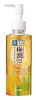
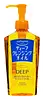
This oil-based makeup remover is made to dissolve makeup, sunscreen, and daily buildup.
This oil-based makeup remover is made to dissolve makeup, sunscreen, and daily buildup.

What's inside
What's inside
 Key Ingredients
Benefits
Concerns
Ingredients Side-by-side
Ethylhexyl Palmitate
Emollient




Sorbeth-30 Tetraisostearate
Emulsifying
Olea Europaea Fruit Oil
Masking


Water
Skin ConditioningPEG-20 Glyceryl Triisostearate
Emollient
Caprylyl Methicone
Skin Conditioning
Dextrin Palmitate/Ethylhexanoate
Emulsifying
Caprylic/Capric Triglyceride
Masking

BHT
Antioxidant
Macadamia Ternifolia Seed Oil
Emollient
Pentaerythrityl Tetra-Di-T-Butyl Hydroxyhydrocinnamate
Antioxidant
Tocopherol
Antioxidant




Benzotriazolyl Dodecyl P-Cresol
UV AbsorberSimmondsia Chinensis Seed Oil
Emollient
Rosa Canina Fruit Oil
Emollient
Moringa Oil/Hydrogenated Moringa Oil Esters
Skin Conditioning
Hydroxypropyltrimonium Hyaluronate
Sodium Acetylated Hyaluronate
Humectant
Methylparaben
Preservative


Ascorbyl Dipalmitate
Antioxidant
Ethylhexyl Palmitate, Sorbeth-30 Tetraisostearate, Olea Europaea Fruit Oil, Water, PEG-20 Glyceryl Triisostearate, Caprylyl Methicone, Dextrin Palmitate/Ethylhexanoate, Caprylic/Capric Triglyceride, BHT, Macadamia Ternifolia Seed Oil, Pentaerythrityl Tetra-Di-T-Butyl Hydroxyhydrocinnamate, Tocopherol, Benzotriazolyl Dodecyl P-Cresol, Simmondsia Chinensis Seed Oil, Rosa Canina Fruit Oil, Moringa Oil/Hydrogenated Moringa Oil Esters, Hydroxypropyltrimonium Hyaluronate, Sodium Acetylated Hyaluronate, Methylparaben, Ascorbyl Dipalmitate
Paraffinum Liquidum
Emollient
Oryza Sativa Bran Oil
Emollient
Sorbeth-30 Tetraoleate
Emulsifying
Cyclomethicone
Emollient
Olea Europaea Fruit Oil
Masking
Citrus Aurantium Dulcis Oil
Masking
Sesamum Indicum Seed Oil
Emollient
Carthamus Tinctorius Seed Oil
Masking
Butyrospermum Parkii Butter
Skin Conditioning
Tocopherol
Antioxidant
Adansonia Digitata Seed Oil
Emollient
Ascorbyl Palmitate
Antioxidant
Vitis Vinifera Seed Oil
Emollient
Simmondsia Chinensis Seed Oil
Emollient
BHT
Antioxidant
Cetyl Ethylhexanoate
EmollientGlycerin
Humectant
Bis-Ethoxydiglycol Cyclohexane 1,4-Dicarboxylate
EmollientPropylene Glycol Dicaprate
EmollientSqualane
Emollient
Zea Mays Oil
Emulsifying
Trilaureth-4 Phosphate
EmulsifyingIsopropyl Myristate
Emollient
Water
Skin ConditioningPhenoxyethanol
Preservative
Paraffinum Liquidum, Oryza Sativa Bran Oil, Sorbeth-30 Tetraoleate, Cyclomethicone, Olea Europaea Fruit Oil, Citrus Aurantium Dulcis Oil, Sesamum Indicum Seed Oil, Carthamus Tinctorius Seed Oil, Butyrospermum Parkii Butter, Tocopherol, Adansonia Digitata Seed Oil, Ascorbyl Palmitate, Vitis Vinifera Seed Oil, Simmondsia Chinensis Seed Oil, BHT, Cetyl Ethylhexanoate, Glycerin, Bis-Ethoxydiglycol Cyclohexane 1,4-Dicarboxylate, Propylene Glycol Dicaprate, Squalane, Zea Mays Oil, Trilaureth-4 Phosphate, Isopropyl Myristate, Water, Phenoxyethanol
Reviews
Ingredients Explained
These ingredients are found in both products.
Ingredients higher up in an ingredient list are typically present in a larger amount.
BHT is a synthetic antioxidant and preservative.
As an antioxidant, it helps your body fight off free-radicals. Free-radicals are molecules that may damage your skin cells.
As a preservative, it is used to stabilize products and prevent them from degrading. Specifically, BHT prevents degradation from oxidation.
The concerns related to BHT come from oral studies; this ingredient is currently allowed for use by both the FDA and EU.
However, it was recently restricted for use in the UK as of April 2024.
Learn more about BHTThis ingredient is also known as olive oil. It has been used in skincare for centuries and science largely backs up its reputation as a nourishing emollient.
The main components of olive oil are oleic acid (55-83%), linoleic acid (3.5-20%), and palmitic acid (7-20%). Oleic acid promotes skin regeneration and helps regulate inflammatory responses.
Squalene is also naturally present in olive oil and exhibits moisturizing and antioxidant properties.
The polyphenols in olive oil also show anti-aging promise; one clinical study found a measurable improvement in skin appearance after 30 days of topical serum use.
Just be aware that applying olive oil directly to skin can weaken the barrier and cause redness. One study with volunteers found even people without sensitive skin experienced a significant reduction in stratum corneum integrity and induced mild erythema.
It's best to use this ingredient as part of a carefully crafted formula (instead of putting it on skin directly from the bottle).
Because it has a 0-2 on the comedogenic scale, it is low risk for acne-prone skin. Just remember the overall formulation of a product matters more than a few ingredients with comedogenic ratings.
This ingredient may not be fungal acne safe because of the oleic and palmitic acid content. These fall within the C11-24 fatty acid range that the Malassezia yeast can metabolize to grow.
Overall, olive oil is a well-studied and nourishing skincare ingredient.
Learn more about Olea Europaea Fruit OilJojoba oil is one of the most well-studied plant-derived ingredients in cosmetics. It is an emollient with a special structure.
Because it is made up of 97-98% wax esters, it closely mirrors the linear monoesters found in human sebum. This makes it skin compatible, non-greasy, and lightweight.
Unlike other plant oils, jojoba wax doesn't easily penetrate skin. It mostly works in the uppermost layers as an emollient. This just means it forms a light barrier on the skin to help retain moisture.
Formulations with jojoba esters up to 90% reduced transepidermal water loss (TEWL) and increased barrier recovery by 81% (outperforming bisabolol at 47%).
Besides barrier support, the science also suggests jojoba to have anti-inflammatory effects and potential applications for skin infections, aging, and wound healing.
Fun fact: Indigenous cultures have used jojoba as a moisturizer and to help treat burns for centuries.
Fungal acne: The Malassezia yeast is known to metabolize fatty acids in the C11-24 range and jojoba's dominant fatty acid components fall into this range. This ingredient may not be fungal acne safe.
Learn more about Simmondsia Chinensis Seed OilTocopherol is a fat-soluble antioxidant known as Vitamin E.
You'll find this ingredient in the vast majority of skincare (for good reason). It works to neutralize free radicals, or unstable molecules generated by UV exposure, pollution, and other environmental stressors, before they can cause oxidative damage to your skin cells.
Topically applied tocopherol has been shown to protect against UV damage by ramping up the skin's own natural defense enzymes.
It also acts as a skin conditioning agent; some studies show that regular topical use can improve the skin's water-binding capacity over 2-4 weeks.
This ingredient is especially loved for being a team player. When combined with Vitamin C, the photoprotective effect of both ingredients roughly doubles and the combo also helps reduce UV-induced DNA damage.
This ingredient has some brightening potential but it's more of a prevention ingredient than spot-fader. Cell studies show it can slow down melanin production but it's worth noting that it's not the most powerful brightener out there.
In formulations, it also serves as a stabilizer that helps protect other oxidation-prone ingredients from degrading.
Concentrations usually range from 0.1-1% in most leave-on products.
Learn more about TocopherolWater. It's the most common cosmetic ingredient of all. You'll usually see it at the top of ingredient lists, meaning that it makes up the largest part of the product.
So why is it so popular? Water most often acts as a solvent - this means that it helps dissolve other ingredients into the formulation.
You'll also recognize water as that liquid we all need to stay alive. If you see this, drink a glass of water. Remember to stay hydrated!
Learn more about Water

