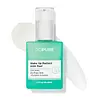
This smoothing treatment is formulated around Phytic Acid and Lactic Acid to refine skin texture and brighten dull-looking skin.
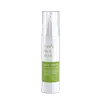
This calming treatment is formulated around Calendula Officinalis Flower Extract and Panthenol to calm redness and refine skin texture.


What's inside
What's inside
 Key Ingredients
Benefits
Concerns
Ingredients Side-by-side
Water
Skin ConditioningSimmondsia Chinensis Seed Oil
Emollient





Phytic Acid
Chelating


Sodium Hydroxide
BufferingLactic Acid
Buffering





Cetearyl Olivate
Sorbitan Olivate
Emulsifying
Glycolic Acid
Buffering

Malic Acid
Buffering
Tartaric Acid
Buffering
Citric Acid
Buffering
Propanediol
Solvent
Xanthan Gum
EmulsifyingLecithin
Emollient
Sclerotium Gum
Emulsion StabilisingPullulan
Caprylhydroxamic Acid
Chelating1,2-Hexanediol
Skin Conditioning
Pseudozyma Epicola/Camellia Sinensis Seed Oil Ferment Extract Filtrate
Humectant
Bisabolol
Antioxidant


Glycerin
Humectant
Spondias Mombin Pulp Extract
Skin ConditioningMangifera Indica Pulp Extract
Skin ConditioningMusa Sapientum Pulp Extract
Skin ConditioningBenzyl Alcohol
Perfuming




Potassium Sorbate
Preservative
Bambusa Vulgaris Extract
Skin Conditioning
Pisum Sativum Extract
Skin ConditioningGlucosamine Hcl
Phenethyl Alcohol
MaskingLactobacillus/Pumpkin Fruit Ferment Filtrate
Skin ConditioningLeuconostoc/Radish Root Ferment Filtrate
Antimicrobial
Water, Simmondsia Chinensis Seed Oil, Phytic Acid, Sodium Hydroxide, Lactic Acid, Cetearyl Olivate, Sorbitan Olivate, Glycolic Acid, Malic Acid, Tartaric Acid, Citric Acid, Propanediol, Xanthan Gum, Lecithin, Sclerotium Gum, Pullulan, Caprylhydroxamic Acid, 1,2-Hexanediol, Pseudozyma Epicola/Camellia Sinensis Seed Oil Ferment Extract Filtrate, Bisabolol, Glycerin, Spondias Mombin Pulp Extract, Mangifera Indica Pulp Extract, Musa Sapientum Pulp Extract, Benzyl Alcohol, Potassium Sorbate, Bambusa Vulgaris Extract, Pisum Sativum Extract, Glucosamine Hcl, Phenethyl Alcohol, Lactobacillus/Pumpkin Fruit Ferment Filtrate, Leuconostoc/Radish Root Ferment Filtrate
Water
Skin ConditioningCalendula Officinalis Flower Extract
Masking
Jojoba Oil/Macadamia Seed Oil Esters
Skin Conditioning
Glyceryl Caprylate
EmollientCaprylyl/Capryl Glucoside
CleansingXanthan Gum
EmulsifyingGlycerin
Humectant
Biosaccharide Gum-1
Humectant
Squalene
Emollient
Phytosteryl Macadamiate
Skin Conditioning
Phytosterols
Skin Conditioning
Trehalose
Humectant
Simmondsia Chinensis Seed Oil
Emollient
Panthenol
Skin Conditioning
Tocopherol
Antioxidant
Glycolic Acid
Buffering
Citric Acid
Buffering
Polyglyceryl-5 Oleate
Emulsifying
Sodium Cocoyl Glutamate
Cleansing
Glyceryl Undecylenate
Emollient
Biosaccharide Gum-4
Skin Conditioning
1,2-Hexanediol
Skin Conditioning
Lecithin
Emollient
Sclerotium Gum
Emulsion StabilisingPullulan
Melaleuca Alternifolia Leaf Oil
Antioxidant
Sodium Hydroxide
BufferingLimonene
Perfuming
Water, Calendula Officinalis Flower Extract, Jojoba Oil/Macadamia Seed Oil Esters, Glyceryl Caprylate, Caprylyl/Capryl Glucoside, Xanthan Gum, Glycerin, Biosaccharide Gum-1, Squalene, Phytosteryl Macadamiate, Phytosterols, Trehalose, Simmondsia Chinensis Seed Oil, Panthenol, Tocopherol, Glycolic Acid, Citric Acid, Polyglyceryl-5 Oleate, Sodium Cocoyl Glutamate, Glyceryl Undecylenate, Biosaccharide Gum-4, 1,2-Hexanediol, Lecithin, Sclerotium Gum, Pullulan, Melaleuca Alternifolia Leaf Oil, Sodium Hydroxide, Limonene
Ingredients Explained
These ingredients are found in both products.
Ingredients higher up in an ingredient list are typically present in a larger amount.
1,2-Hexanediol is a synthetic liquid and another multi-functional powerhouse.
It is a:
- Humectant, drawing moisture into the skin
- Emollient, helping to soften skin
- Solvent, dispersing and stabilizing formulas
- Preservative booster, enhancing the antimicrobial activity of other preservatives
Citric Acid is an alpha hydroxy acid (AHA) naturally found in citrus fruits like oranges, lemons, and limes.
Like other AHAs, citric acid can exfoliate skin by breaking down the bonds that hold dead skin cells together. This helps reveal smoother and brighter skin underneath.
However, this exfoliating effect only happens at high concentrations (20%) which can be hard to find in cosmetic products.
Due to this, citric acid is usually included in small amounts as a pH adjuster. This helps keep products slightly more acidic and compatible with skin's natural pH.
In skincare formulas, citric acid can:
While it can provide some skin benefits, research shows lactic acid and glycolic acid are generally more effective and less irritating exfoliants.
Most citric acid used in skincare today is made by fermenting sugars (usually from molasses). This synthetic version is identical to the natural citrus form but easier to stabilize and use in formulations.
Rosacea skin has a lower threshold for acids generally, with 62.5% of rosacea subjects in one study reacting to lactic acid in a sting test. This is why we mark citric acid as a potential rosacea trigger.
However, this ingredient shows up as a pH adjuster or chelator at roughly 0.1-1% in many products. These low levels are unlikely to be an issue for rosacea skin and becomes a potential trigger at exfoliating concentrations (20%). Because everybody's skin is unique, we recommend a patch test if you are unsure.
Learn more about Citric AcidGlycerin (or glycerol) is a compound naturally found in your skin. It's a powerhouse humectant that pulls water into the stratum corneum.
Topically, glycerin does several things at once:
Your skin makes glycerin on its own (mostly from sebaceous oil breakdown) and shuttles it to your outermost layer of skin, or your epidermis, via aquaporin-3.
Aquaporin-3 is a transporter that is essential for normal skin hydration, elasticity, and repair. Interestingly, mice lacking in AQP3 have dry and less elastic skin that can be fully corrected with glycerin.
This ingredient is non-irritating, plays well with almost every ingredient, and works across all skin types. Typical use is anywhere between 3-10% but can go up to 79% in some leave-on products.
Just know very high concentrations (>40%) can feel tacky in low humidity.
Glycerin is the name for this ingredient in American English. British English uses Glycerol/Glycerine.
Learn more about GlycerinGlycolic Acid is arguably the most famous alpha hydroxy acid (AHA) with tons of research backing its benefits.
It is found naturally in sugar cane but the form used in skincare is usually synthetic for purity and stability.
Glycolic acid removes the top layer of dead skin cells to allow newer and fresher ones to emerge.
AHAs work by breaking down the structural “glue” that holds old skin cells in place. When that buildup is gone, your skin can renew itself more efficiently.
Research also shows glycolic acid stimulates collagen production, helping to firm and thicken the skin over time. This is one of its biggest advantages over other AHAs.
Overall, glycolic acid helps with:
Fun fact: Glycolic acid boosts skin hydration by helping it produce molecules that increase hyaluronic acid naturally.
To work best, glycolic acid products should have a pH between 3-4 (that’s where exfoliation is most effective but still gentle on skin).
The pH and concentration of a product are key to its effectiveness:
It is normal to feel a slight stinging sensation when using glycolic acid. This usually fades as your skin adjusts.
Because glycolic acid has the smallest molecular size in the AHA family, it can penetrate deeper, which enhances its effectiveness but also makes it more likely to irritate sensitive skin.
If your skin is very sensitive or prone to rosacea, glycolic acid may be too strong; in that case, try milder options like lactic acid or a PHA instead.
Recent studies suggest glycolic acid might even help protect against UV damage. But don’t skip sunscreen! Freshly exfoliated skin is more sensitive to the sun.
Glycolic acid is a skincare superstar. It smooths, brightens, hydrates, and firms the skin. Unless you’re highly sensitive, it’s well worth adding to your routine.
Read more about some other popular AHA's here:
Learn more about Glycolic AcidLecithin is a term for a group of substances found in the cell membranes of plants, animals, and humans. They are made up of phospholipids.
Thanks to its amphiphilic structure (water-loving head and oil-loving tail), it is a true multitasker:
It plays well with most ingredients and is typically used at 0.1-1%. However, concentrations up to 50% have been reported in moisturizers.
Learn more about LecithinPullulan is a low viscosity polysaccharide (a long chain carbohydrate) with binding and film forming properties when dissolved in water. It is used to create a "silicone-like" or silky feel in cosmetics without adding viscosity.
According to a manufacturer, this ingredient's ability to easily dissolves makes it a great carrier for active ingredients.
Due to it being edible and tasteless, you'll likely find this ingredient in breath freshener strips. This ingredient is produced from the starch of the fungus, Aureobasidium pullulans.
Pullulan is stable over a broad-range of pH.
Learn more about PullulanSclerotium Gum is a natural sugar-based fiber made by fermenting a fungus called Sclerotium rolfsii. It's often used as the plant-friendly alternative for synthetic thickeners like carbomer.
In skincare, it works as a thickener, gel former, and stabilizer that keeps heavy ingredients suspended so a product does not separate.
It is non-ionic and forms a triple helix in solution. This is just a fancy way of saying it builds a smooth, cushiony, and non-sticky gel that feels silkier than many other gums.
Another perk of this ingredient is that it is very sturdy and holds up across a wide pH range (~2-11). It's also good at resisting heat and hydrolysis.
Since it holds water at the skin surface, it can provide some light hydration as well.
Typical use levels are around 0.25-2%; formulators usually use 0.2-0.5% to thicken lotions and up to 2% for a firmer gel base.
This ingredient has been found safe in cosmetics with no meaningful evidence of skin sensitization.
Learn more about Sclerotium GumJojoba oil is one of the most well-studied plant-derived ingredients in cosmetics. It is an emollient with a special structure.
Because it is made up of 97-98% wax esters, it closely mirrors the linear monoesters found in human sebum. This makes it skin compatible, non-greasy, and lightweight.
Unlike other plant oils, jojoba wax doesn't easily penetrate skin. It mostly works in the uppermost layers as an emollient. This just means it forms a light barrier on the skin to help retain moisture.
Formulations with jojoba esters up to 90% reduced transepidermal water loss (TEWL) and increased barrier recovery by 81% (outperforming bisabolol at 47%).
Besides barrier support, the science also suggests jojoba to have anti-inflammatory effects and potential applications for skin infections, aging, and wound healing.
Fun fact: Indigenous cultures have used jojoba as a moisturizer and to help treat burns for centuries.
Fungal acne: The Malassezia yeast is known to metabolize fatty acids in the C11-24 range and jojoba's dominant fatty acid components fall into this range. This ingredient may not be fungal acne safe.
Learn more about Simmondsia Chinensis Seed OilSodium Hydroxide is also known as lye or caustic soda. It is used to adjust the pH of products; many ingredients require a specific pH to be effective.
In small amounts, sodium hydroxide is considered safe to use. However, large amounts may cause chemical burns due to its high alkaline.
Your skin has a natural pH and acid mantle. This acid mantle helps prevent harmful bacteria from breaking through. The acid mantle also helps keep your skin hydrated.
"Alkaline" refers to a high pH level. A low pH level would be considered acidic.
Learn more about Sodium HydroxideWater. It's the most common cosmetic ingredient of all. You'll usually see it at the top of ingredient lists, meaning that it makes up the largest part of the product.
So why is it so popular? Water most often acts as a solvent - this means that it helps dissolve other ingredients into the formulation.
You'll also recognize water as that liquid we all need to stay alive. If you see this, drink a glass of water. Remember to stay hydrated!
Learn more about WaterXanthan gum is used as a stabilizer and thickener within cosmetic products. It helps give products a sticky, thick feeling - preventing them from being too runny.
On the technical side of things, xanthan gum is a polysaccharide - a combination consisting of multiple sugar molecules bonded together.
Xanthan gum is a pretty common and great ingredient. It is a natural, non-toxic, non-irritating ingredient that is also commonly used in food products.
Learn more about Xanthan Gum

