
What's inside
What's inside
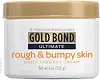 Key Ingredients
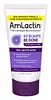
Benefits
Concerns
Ingredients Side-by-side
Water
Skin ConditioningGluconolactone
Skin Conditioning







Hydroxyethyl Urea
Humectant
Butyrospermum Parkii Butter Extract
Skin Conditioning

Cetyl Alcohol
Emollient

Ammonium Lactate
Buffering

Petrolatum
Emollient

Potassium Hydroxide
BufferingPropanediol
Solvent
Salicylic Acid
Masking



Dimethicone
Emollient
Glyceryl Stearate
Emollient
Steareth-21
CleansingAloe Barbadensis Leaf Juice
Skin Conditioning

Jojoba Esters
Emollient
Theobroma Cacao Seed Butter
Emollient
Caprylyl Methicone
Skin Conditioning
Polyacrylate Crosspolymer-6
Emulsion StabilisingPPG-3 Benzyl Ether Myristate
EmollientCitrus Limon Fruit Extract
Masking
Citrus Aurantium Dulcis Fruit Extract
MaskingPyrus Malus Fruit Extract
Skin Conditioning
Saccharum Officinarum Extract
MoisturisingZingiber Officinale Root Extract
Masking
Camellia Sinensis Leaf Extract
Antimicrobial
Tocopheryl Acetate
Antioxidant
Magnesium Ascorbyl Phosphate
Antioxidant
Panthenol
Skin Conditioning
Bisabolol
Antioxidant
Polyglyceryl-4 Laurate/Succinate
Stearamidopropyl Pg-Dimonium Chloride Phosphate
Phenoxyethanol
Preservative
Propylene Glycol
Humectant
Hydroxyethylcellulose
Emulsion StabilisingWater, Gluconolactone, Hydroxyethyl Urea, Butyrospermum Parkii Butter Extract, Cetyl Alcohol, Ammonium Lactate, Petrolatum, Potassium Hydroxide, Propanediol, Salicylic Acid, Dimethicone, Glyceryl Stearate, Steareth-21, Aloe Barbadensis Leaf Juice, Jojoba Esters, Theobroma Cacao Seed Butter, Caprylyl Methicone, Polyacrylate Crosspolymer-6, PPG-3 Benzyl Ether Myristate, Citrus Limon Fruit Extract, Citrus Aurantium Dulcis Fruit Extract, Pyrus Malus Fruit Extract, Saccharum Officinarum Extract, Zingiber Officinale Root Extract, Camellia Sinensis Leaf Extract, Tocopheryl Acetate, Magnesium Ascorbyl Phosphate, Panthenol, Bisabolol, Polyglyceryl-4 Laurate/Succinate, Stearamidopropyl Pg-Dimonium Chloride Phosphate, Phenoxyethanol, Propylene Glycol, Hydroxyethylcellulose
Reviews
Ingredients Explained
These ingredients are found in both products.
Ingredients higher up in an ingredient list are typically present in a larger amount.
Ammonium lactate is derived from lactic acid and is considered an AHA. It is often used to treat very dry, rough, or itchy skin.
At 12% strength, this ingredient has been shown to do more than just moisturize. Studies show it can increase skin thickness, boost natural hyaluronic acid in skin, and improve overall firmness/elasticity.
You'll likely see this ingredient in eczema treatments. Many OTC products contain this ingredient (up to 10%), but stronger versions (30%) are only available by prescription in many countries.
According to the Cosmetic Use Guidelines (CIR Expert Panel), this ingredient is safe to use at ≤10% with pH ≥3.5, provided sun protection is included. Like all AHAs, ammonium lactate makes your skin more sensitive to the sun (daily sun protection is a mustl). Without it, UV exposure can lead to damage and undo the benefits of treatment.
Be sure to listen to your medical provider when using prescription ammonium lactate.
Learn more about Ammonium LactatePetrolatum is more commonly known as petroleum jelly. It is created by mixing waxes and mineral oils.
This ingredient is effective at reducing water loss by 99%. This is because it is an occlusive. Occlusives create a hydrophobic barrier on the skin to prevent evaporation. This property makes it great for hydrating dry skin.
Pro tip: Use occlusives, such as this ingredient, on damp skin for the best results.
The quality or origin of petrolatum is only known when disclosed by the brand. Most cosmetic petrolatum has gone through several purification stages.
Another benefit of occlusives is it protects your skin against infection or allergies.
Petrolatum is fungal acne safe. It is a hydrocarbon with no fatty acid structure, so Malassezia cannot metabolize it. In-vitro studies support negligible growth stimulation as well.
It's also worth noting that petrolatum has a comedogenic rating of 0. In updated rabbit ear testing (and in human testing), petrolatum was found to be not comedogenic. This means it didn’t promote comedone formation in standard models.
Learn more about PetrolatumPropylene Glycol is a synthetic, colorless, odorless liquid that has been a staple in cosmetics for decades. It is a skin conditioning agent, humectant, and solvent.
As a humectant, it draw water to the skin to reduce flaking and restore suppleness. It's also a solvent that helps dissolve other actives and keeps formulas stable across temperature changes.
The CIR Expert Panel has confirmed this ingredient to be nontoxic and clinical studies show no sensitization at cosmetic use concentrations.
True allergic reactions are quite rare: a 15-year retrospective study of 6,751 patients found only 0.31% had a positive reaction (and less than half were considered clinically relevant).
It seemed that when sensitization does occur, it's most commonly linked to topical medication (like corticosteroids) and not cosmetics. Allergic contact dermatitis also appears largely limited to individuals with underlying skin conditions.
Overall, propylene glycol is a well-studied ingredient that most people can tolerate without issue.
Learn more about Propylene GlycolSteareth-21 is a nonionic emulsifier made by reacting stearyl alcohol with 21 units of ethylene oxide. It is mainly a cleansing agent and emulsifier.
The "21" in the name just tells you it has a longer water-loving chain. This makes it more gentle and less likely to irritate skin compared to lower-numbered steareths.
You'll most likely see it paired with steareth-2 because the two work together to create stable formulations.
1,4-dioxane is often brought up as a concern but this is usually removed through purification.
Learn more about Steareth-21Water. It's the most common cosmetic ingredient of all. You'll usually see it at the top of ingredient lists, meaning that it makes up the largest part of the product.
So why is it so popular? Water most often acts as a solvent - this means that it helps dissolve other ingredients into the formulation.
You'll also recognize water as that liquid we all need to stay alive. If you see this, drink a glass of water. Remember to stay hydrated!
Learn more about Water

