

What's inside
What's inside
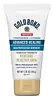 Key Ingredients
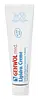
Benefits
Concerns
Ingredients Side-by-side
Isopropyl Palmitate
Emollient




Dimethicone
Emollient

Glyceryl Stearate
Emollient
Butyrospermum Parkii Butter Extract
Skin Conditioning
Silica
Abrasive


Polyethylene
Abrasive
Jojoba Esters
Emollient
Ceramide NP
Skin Conditioning




7-Dehydrocholesterol
Emulsion StabilisingIsopropyl Myristate
Emollient
Lavandula Angustifolia Extract
Skin Conditioning
Rosmarinus Officinalis Leaf Extract
AntimicrobialAcacia Farnesiana Flower Extract
Perfuming
Chamomilla Recutita Flower Extract
Masking
Tetrahexyldecyl Ascorbate
Antioxidant



Pentylene Glycol
Skin Conditioning
4-T-Butylcyclohexanol
Masking
Bisabolol
Antioxidant
Zingiber Officinale Root Extract
Masking
Tocopheryl Acetate
Antioxidant
Jojoba Oil/Macadamia Seed Oil Esters
Skin Conditioning
Squalene
Emollient
Phytosteryl Macadamiate
Skin Conditioning
Phytosterols
Skin Conditioning
Tocopherol
Antioxidant
Zea Mays Oil
Emulsifying
Isopropyl Palmitate, Dimethicone, Glyceryl Stearate, Butyrospermum Parkii Butter Extract, Silica, Polyethylene, Jojoba Esters, Ceramide NP, 7-Dehydrocholesterol, Isopropyl Myristate, Lavandula Angustifolia Extract, Rosmarinus Officinalis Leaf Extract, Acacia Farnesiana Flower Extract, Chamomilla Recutita Flower Extract, Tetrahexyldecyl Ascorbate, Pentylene Glycol, 4-T-Butylcyclohexanol, Bisabolol, Zingiber Officinale Root Extract, Tocopheryl Acetate, Jojoba Oil/Macadamia Seed Oil Esters, Squalene, Phytosteryl Macadamiate, Phytosterols, Tocopherol, Zea Mays Oil
Water
Skin ConditioningUrea
Buffering
Persea Gratissima Oil
Skin Conditioning
Glycerin
Humectant
Polyglyceryl-3 Methylglucose Distearate
Emulsifying
Isopropyl Palmitate
Emollient
Octyldodecanol
Emollient
Glyceryl Stearate
Emollient
Cetyl Alcohol
Emollient
PPG-3 Benzyl Ether Myristate
EmollientMyristyl Myristate
Emollient
Triethyl Citrate
Masking
Hydrolyzed Algin
Chlorella Vulgaris Extract
Skin ConditioningMaris Aqua
HumectantFarnesol
Perfuming
Hippophae Rhamnoides Extract
MaskingAllantoin
Skin Conditioning
Xanthan Gum
EmulsifyingPhenoxyethanol
Preservative
Methylparaben
Preservative

Ethylparaben
Preservative
Caprylyl Glycol
Emollient
Propylene Glycol
Humectant
BHT
Antioxidant
Ascorbyl Palmitate
Antioxidant
Citric Acid
Buffering
Water, Urea, Persea Gratissima Oil, Glycerin, Polyglyceryl-3 Methylglucose Distearate, Isopropyl Palmitate, Octyldodecanol, Glyceryl Stearate, Cetyl Alcohol, PPG-3 Benzyl Ether Myristate, Myristyl Myristate, Triethyl Citrate, Hydrolyzed Algin, Chlorella Vulgaris Extract, Maris Aqua, Farnesol, Hippophae Rhamnoides Extract, Allantoin, Xanthan Gum, Phenoxyethanol, Methylparaben, Ethylparaben, Caprylyl Glycol, Propylene Glycol, BHT, Ascorbyl Palmitate, Citric Acid
Reviews
Alternatives
Ingredients Explained
These ingredients are found in both products.
Ingredients higher up in an ingredient list are typically present in a larger amount.
Glyceryl Stearate is made by reacting glycerin with stearic acid (typically sourced from plant oils like palm or coconut). It's an emulsifier, emollient, and mild occlusive.
Emulsifiers help ingredients like oil and water stay mixed so your formula stays nicely blended and uniform in texture.
This ingredient is typically used in concentrations between 1-10%. Studies have found it to be non-sensitizing, non-phototoxic, and non-photoallergenic.
A close cousin of this ingredient is Glyceryl Stearate SE ("self-emulsifying"). This just has a small amount of sodium or potassium stearate added so it can emulsify without a co-emulsifier.
Since this ingredient is an ester of a C18 fatty acid, it may not be fungal acne safe. The Malassezia yeast can potentially metabolize within the C11-C24 range.
Fun fact: The human body also creates Glyceryl Stearate naturally.
Learn more about Glyceryl StearateIsopropyl Palmitate is a lightweight emollient made by combining isopropyl alcohol and palmitic acid.
It is an emollient that leaves skin feeling smooth and silky without leaving a greasy feel.
Typical usage concentrations range from 1-5%.
Human testing shows it's non-irritating and non-sensitizing, and the EU Scientific Committee on Consumer Safety (SCCS) has cleared it at very high levels (79% in leave-on products).
The one thing worth knowing about its comedogenic score of 3-4 is to keep it in perspective: these ratings come from old rabbit-ear tests using 100% of pure ingredient and doesn't reflect how it behaves at low levels in a finished product.
Because it is an ester of palmitic acid (C16), it falls into the range that the Malassezia yeast can feed on and is considered not fungal acne safe.
Learn more about Isopropyl Palmitate

