
What's inside
What's inside
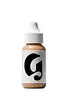 Key Ingredients
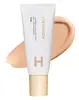
Benefits
Concerns
Ingredients Side-by-side
Water
Skin ConditioningCyclopentasiloxane
Emollient
Cyclohexasiloxane
Emollient
Dimer Dilinoleyl Dimer Dilinoleate
EmollientPEG-10 Dimethicone
Skin Conditioning
Glycerin
Humectant


Polymethylsilsesquioxane
Alcohol
Antimicrobial




Dimethicone
Emollient
Mica
Cosmetic ColorantCaprylyl Glycol
Emollient
Sodium Chloride
MaskingDisteardimonium Hectorite
StabilisingChlorphenesin
Antimicrobial
Propylene Carbonate
SolventBoron Nitride
Absorbent
Triethoxycaprylylsilane
Ricinus Communis Seed Oil
Masking


Zea Mays Oil
Emulsifying
Diamond Powder
Abrasive
Quercus Suber Bark Extract
Skin ConditioningCI 77891
Cosmetic ColorantCI 77491
Cosmetic ColorantCI 77492
Cosmetic ColorantCI 77499
Cosmetic ColorantWater, Cyclopentasiloxane, Cyclohexasiloxane, Dimer Dilinoleyl Dimer Dilinoleate, PEG-10 Dimethicone, Glycerin, Polymethylsilsesquioxane, Alcohol, Dimethicone, Mica, Caprylyl Glycol, Sodium Chloride, Disteardimonium Hectorite, Chlorphenesin, Propylene Carbonate, Boron Nitride, Triethoxycaprylylsilane, Ricinus Communis Seed Oil, Zea Mays Oil, Diamond Powder, Quercus Suber Bark Extract, CI 77891, CI 77491, CI 77492, CI 77499
Water
Skin ConditioningCaprylic/Capric Triglyceride
Masking
Glycerin
Humectant
Limnanthes Alba Seed Oil
Skin Conditioning
Propanediol
Solvent
Squalane
Emollient
C9-12 Alkane
SolventErythritol
Humectant
Dicaprylyl Ether
Emollient
Polyglyceryl-6 Polyricinoleate
Emulsifying
Octyldodecanol
Emollient
Disteardimonium Hectorite
StabilisingDistarch Phosphate
AbsorbentPhenoxyethanol
Preservative
Polyglyceryl-2 Isostearate
Emulsifying
Magnesium Sulfate
Zinc Stearate
Cosmetic ColorantSodium Benzoate
Masking
Sodium Dehydroacetate
Preservative
Butyrospermum Parkii Butter Extract
Skin Conditioning
Hydrogenated Lecithin
Emulsifying
Coco-Caprylate/Caprate
Emollient
Benzoic Acid
Masking
Propylene Carbonate
SolventSodium Hyaluronate
Humectant

Dehydroacetic Acid
Preservative
Lecithin
Emollient
Ethylhexylglycerin
Skin ConditioningTocopherol
Antioxidant



Ascorbyl Palmitate
Antioxidant
Nephelium Lappaceum Peel Extract
Skin ConditioningCitric Acid
Buffering
Stearic Acid
Cleansing
CI 77891
Cosmetic ColorantIron Oxides
Water, Caprylic/Capric Triglyceride, Glycerin, Limnanthes Alba Seed Oil, Propanediol, Squalane, C9-12 Alkane, Erythritol, Dicaprylyl Ether, Polyglyceryl-6 Polyricinoleate, Octyldodecanol, Disteardimonium Hectorite, Distarch Phosphate, Phenoxyethanol, Polyglyceryl-2 Isostearate, Magnesium Sulfate, Zinc Stearate, Sodium Benzoate, Sodium Dehydroacetate, Butyrospermum Parkii Butter Extract, Hydrogenated Lecithin, Coco-Caprylate/Caprate, Benzoic Acid, Propylene Carbonate, Sodium Hyaluronate, Dehydroacetic Acid, Lecithin, Ethylhexylglycerin, Tocopherol, Ascorbyl Palmitate, Nephelium Lappaceum Peel Extract, Citric Acid, Stearic Acid, CI 77891, Iron Oxides
Reviews
Ingredients Explained
These ingredients are found in both products.
Ingredients higher up in an ingredient list are typically present in a larger amount.
Ci 77891 is a white pigment from Titanium dioxide. It is naturally found in minerals such as rutile and ilmenite.
It's main function is to add a white color to cosmetics. It can also be mixed with other colors to create different shades.
Ci 77891 is commonly found in sunscreens due to its ability to block UV rays.
Learn more about CI 77891Disteardimonium Hectorite comes from the clay mineral named hectorite. It is used to add thickness to a product.
It can also help stabilize a product by helping to disperse other ingredients.
Hectorite is a rare, white clay mineral.
Learn more about Disteardimonium HectoriteGlycerin (or glycerol) is a compound naturally found in your skin. It's a powerhouse humectant that pulls water into the stratum corneum.
Topically, glycerin does several things at once:
Your skin makes glycerin on its own (mostly from sebaceous oil breakdown) and shuttles it to your outermost layer of skin, or your epidermis, via aquaporin-3.
Aquaporin-3 is a transporter that is essential for normal skin hydration, elasticity, and repair. Interestingly, mice lacking in AQP3 have dry and less elastic skin that can be fully corrected with glycerin.
This ingredient is non-irritating, plays well with almost every ingredient, and works across all skin types. Typical use is anywhere between 3-10% but can go up to 79% in some leave-on products.
Just know very high concentrations (>40%) can feel tacky in low humidity.
Glycerin is the name for this ingredient in American English. British English uses Glycerol/Glycerine.
Learn more about GlycerinThis ingredient is a solvent. It helps dissolve active ingredients and alter the texture of products.
Propylene Carbonate is commonly used in makeup and with clay, such as montmorillonite or bentonite.
Studies show this ingredient to be safe for cosmetics. When it is undiluted, it can cause skin irritation. (It is always diluted in skincare and makeup). This ingredient is water-soluble.
Propylene Carbonate is created from propylene glycol and carbonic acid.
Learn more about Propylene CarbonateWater. It's the most common cosmetic ingredient of all. You'll usually see it at the top of ingredient lists, meaning that it makes up the largest part of the product.
So why is it so popular? Water most often acts as a solvent - this means that it helps dissolve other ingredients into the formulation.
You'll also recognize water as that liquid we all need to stay alive. If you see this, drink a glass of water. Remember to stay hydrated!
Learn more about Water

