
What's inside
What's inside
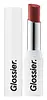 Key Ingredients
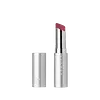
Benefits
Concerns
Ingredients Side-by-side
Hydrogenated Polyisobutene
EmollientSynthetic Wax
Abrasive

Caprylic/Capric Triglyceride
Masking


Synthetic Fluorphlogopite
Vinyl Dimethicone/Methicone Silsesquioxane Crosspolymer


Bis-Diglyceryl Polyacyladipate-2
Emollient

Polymethylsilsesquioxane
Kaolin
Abrasive

Tridecyl Trimellitate
EmollientEuphorbia Cerifera Cera
Astringent
Boron Nitride
Absorbent
Isododecane
EmollientSodium Hyaluronate
Humectant


Agave Tequilana Leaf Extract
AstringentCarthamus Tinctorius Seed Oil
Masking
Helianthus Annuus Seed Wax
Skin Conditioning
Helianthus Annuus Seed Oil
Emollient
Ricinus Communis Seed Oil
Masking
Tocopheryl Acetate
Antioxidant


Tocopherol
Antioxidant
Dimethicone
Emollient
Dimethicone Crosspolymer-3
Skin Conditioning
Isopropyl Titanium Triisostearate
Emollient
Dimethicone Crosspolymer
Emulsion Stabilising
Caprylyl Glycol
Emollient
CI 77492
Cosmetic ColorantCI 77499
Cosmetic ColorantCI 15850
Cosmetic ColorantHydrogenated Polyisobutene, Synthetic Wax, Caprylic/Capric Triglyceride, Synthetic Fluorphlogopite, Vinyl Dimethicone/Methicone Silsesquioxane Crosspolymer, Bis-Diglyceryl Polyacyladipate-2, Polymethylsilsesquioxane, Kaolin, Tridecyl Trimellitate, Euphorbia Cerifera Cera, Boron Nitride, Isododecane, Sodium Hyaluronate, Agave Tequilana Leaf Extract, Carthamus Tinctorius Seed Oil, Helianthus Annuus Seed Wax, Helianthus Annuus Seed Oil, Ricinus Communis Seed Oil, Tocopheryl Acetate, Tocopherol, Dimethicone, Dimethicone Crosspolymer-3, Isopropyl Titanium Triisostearate, Dimethicone Crosspolymer, Caprylyl Glycol, CI 77492, CI 77499, CI 15850
Dimethicone
Emollient
Isononyl Isononanoate
EmollientCetyl Ethylhexanoate
EmollientVinyl Dimethicone/Methicone Silsesquioxane Crosspolymer
Synthetic Wax
Abrasive
Dimethicone/Vinyl Dimethicone Crosspolymer
Skin Conditioning
Isoeicosane
EmollientRicinus Communis Seed Oil
Masking
Dimethicone Crosspolymer
Emulsion Stabilising
Bis-Diglyceryl Polyacyladipate-2
Emollient
Microcrystalline Wax
Emulsion StabilisingCaprylic/Capric Triglyceride
Masking
Euphorbia Cerifera Wax
Hyaluronic Acid
Humectant
Synthetic Fluorphlogopite
C13-15 Alkane
SolventPolyethylene
Abrasive
Silica
Abrasive
Phytosteryl Macadamiate
Skin Conditioning
Hydrogenated Castor Oil
Emollient
Helianthus Annuus Seed Oil
Emollient
Squalane
Emollient
Diglyceryl Sebacate/Isopalmitate
EmollientDiisostearyl Malate
EmollientPolyglyceryl-2 Triisostearate
Emulsifying
Parfum
Masking

Disteardimonium Hectorite
StabilisingPolyglyceryl-2 Diisostearate
Emulsifying
Triethyl Citrate
Masking
Tocopherol
Antioxidant
CI 15985
Cosmetic ColorantCI 77891
Cosmetic ColorantCI 19140
Cosmetic ColorantCI 15850
Cosmetic ColorantCI 77492
Cosmetic ColorantDimethicone, Isononyl Isononanoate, Cetyl Ethylhexanoate, Vinyl Dimethicone/Methicone Silsesquioxane Crosspolymer, Synthetic Wax, Dimethicone/Vinyl Dimethicone Crosspolymer, Isoeicosane, Ricinus Communis Seed Oil, Dimethicone Crosspolymer, Bis-Diglyceryl Polyacyladipate-2, Microcrystalline Wax, Caprylic/Capric Triglyceride, Euphorbia Cerifera Wax, Hyaluronic Acid, Synthetic Fluorphlogopite, C13-15 Alkane, Polyethylene, Silica, Phytosteryl Macadamiate, Hydrogenated Castor Oil, Helianthus Annuus Seed Oil, Squalane, Diglyceryl Sebacate/Isopalmitate, Diisostearyl Malate, Polyglyceryl-2 Triisostearate, Parfum, Disteardimonium Hectorite, Polyglyceryl-2 Diisostearate, Triethyl Citrate, Tocopherol, CI 15985, CI 77891, CI 19140, CI 15850, CI 77492
Reviews
Ingredients Explained
These ingredients are found in both products.
Ingredients higher up in an ingredient list are typically present in a larger amount.
Bis-Diglyceryl Polyacyladipate-2 is a synthetic emollient that works as a lanolin substitute.
This ingredient is a great vegan option for those avoiding animal-derived ingredients.
It mostly stays on the surface of skin where it helps hydrate due to its large molecular size and low water solubility.
Due to it being derived from fatty acids, this ingredient may not be Malassezia or fungal acne safe.
Learn more about Bis-Diglyceryl Polyacyladipate-2Caprylic/Capric Triglyceride (aka MCT Oil) is a lightweight emollient, solvent, and texture enhancer. It is considered a skin-softener by helping to prevent moisture loss.
Though it behaves like an oil, it is not technically one due to its chemical composition. One perk of this ingredient is that it is very stable, resistant to oxidation, and unlikely to go rancid.
In practice, that translates to a long shelf life and a consistently elegant skin feel.
While there is an assumption Caprylic Triglyceride can clog pores due to it being derived from coconut oil, there is no research supporting this. Just patch test if you have concerns.
Fractionated coconut oil and MCT Oil are both listed as Caprylic/Capric Triglyceride according to INCI. This is because INCI names are based on the ingredient’s final chemical composition and not its marketing name or source.
This ingredient is treated as the gold standard fungal acne safe oil. Even though it is coconut derived, the problematic lauric acid is stripped out.
This leaves just caprylic (C8) and capric (C10) acid. These chain lengths actually trend antifungal; a 2020 study found caprylic acid was enough to disrupt Malassezia furfur cell membrane, with a caprylic acid derivative damaging membrane structures at concentrations as low as 0.2%.
Learn more about Caprylic/Capric TriglycerideCi 15850 is the pigment color red. It is an azo dye and created synthetically.
Azo dyes need to be thoroughly purified before use. This allows them to be more stable and longer-lasting.
This ingredient is common in foundations, lipsticks, and blushes. This color is described as brown/orangey red.
It has many secondary names such as Red 6 and Red 7. According to a manufacturer, Red 6 usually contains aluminum.
Learn more about CI 15850CI 77492 is also hydrated iron III oxide. It's sole purpose is to give a yellow hue to products.
Iron III oxides are classified as inorganic chemicals for coloring.
Synthetically created CI 77492 is considered safer than those naturally found. This is because the synthetically created version may contain less impurities. Iron oxides are generally non-toxic and non-allergenic.
Learn more about CI 77492Dimethicone is a type of synthetic silicone created from natural materials such as quartz. It is also known as polydimethylsiloxane.
What it does:
Dimethicone comes in different viscosities:
Depending on the viscosity, dimethicone has different properties.
Ingredients lists don't always show which type is used, so we recommend reaching out to the brand if you have questions about the viscosity.
This ingredient is unlikely to cause irritation because it does not get absorbed into skin. However, people with silicone allergies should be careful about using this ingredient.
Note: Dimethicone may contribute to pilling. This is because it is not oil or water soluble, so pilling may occur when layered with products. When mixed with heavy oils in a formula, the outcome is also quite greasy.
Learn more about DimethiconeDimethicone Crosspolymer is a silicone created by modifying dimethicone with hydrocarbon side chains. Due to its large size, it does not penetrate skin. It is considered non-occlusive.
Dimethicone Crosspolymer is used to stabilize and thicken products. It also helps give products a silky feel.
Helianthus Annuus Seed Oil is a plant oil derived from the seeds of a sunflower.
It is rich in fatty acids, primarily linoleic acid and oleic acid. This gives it emollient and skin conditioning properties.
The reason this ingredient is so effective is because it forms a thin film on the skin that reduces transepidermal water loss (TEWL) while supplying linoleic acid to the stratum corneum to improve barrier strength.
The high linoleic acid content is particularly noteworthy for acne-prone skin.
Research suggests that acne-prone skin tends to be deficient in linoleic acid in sebum. Topical application may help replenish this to support a healthier follicular environment and less comedone-promoting sebum.
One randomized study found sunflower seed oil preserved skin barrier integrity in adult volunteers with and without atopic dermatitis (outperforming olive oil).
This ingredient is well-studied, gentle, and an effective emollient suitable for most skin types.
On fungal acne: This ingredient may not be Fungal acne (Malassezia folliculitis) safe. This is because it contains fatty acids with carbon chain lengths in the C11-C24 range.
Learn more about Helianthus Annuus Seed OilThis ingredient is also known as castor oil. It is a skin conditioning ingredient.
The star component of castor oil is ricinoleic acid, an unusual fatty acid that makes up ~80-92% of its composition.
In skincare, it is an emollient that dries down to a solid film with water-binding properties. This helps keep skin hydrated and helps reduce transepidermal water loss (TEWL).
A 2026 dermatology review pulls together its broader uses:
Human clinical testing found this ingredient to be non-irritating and non-sensitizing.
Because castor oil contains fatty acids in the C11-24 range, this ingredient may not be fungal acne safe.
At this time, the literature does not support castor oil in regrowing hair. A 2022 systematic review found no strong evidence that it supports hair growth and only weak evidence that it improves hair shine.
Castor oil itself carries "perfuming" and "masking" function tags according to the official CosIng database. This is because of its mild odor and odor-dampening properties.
Learn more about Ricinus Communis Seed OilSynthetic Fluorphlogopite is the synthethic version of mica. It consists of fluorine, aluminum and silicate.
Synthetic Fluorphlogopite is used to add volume to products.
It is considered non-irritating on the skin.
Learn more about Synthetic FluorphlogopiteSynthetic Wax is a manufactured hydrocarbon wax. In formulas, it works as an occlusive emollient that helps reduce water loss and improves the spreadability of products.
Research comparing synthetic wax to traditional mineral-derived products found that formulas containing it perform as well for skin hydration.
It is considered non-comedogenic and vegan-friendly.
This ingredient has a well-established safety record by the CIR Expert Panel for Cosmetic Ingredient Safety.
Synthetic Waxes are straight/branched-chain hydrocarbons with no ester bond or fatty acids. That means there is nothing for the Malassezia yeast to feed on.
Learn more about Synthetic WaxTocopherol is a fat-soluble antioxidant known as Vitamin E.
You'll find this ingredient in the vast majority of skincare (for good reason). It works to neutralize free radicals, or unstable molecules generated by UV exposure, pollution, and other environmental stressors, before they can cause oxidative damage to your skin cells.
Topically applied tocopherol has been shown to protect against UV damage by ramping up the skin's own natural defense enzymes.
It also acts as a skin conditioning agent; some studies show that regular topical use can improve the skin's water-binding capacity over 2-4 weeks.
This ingredient is especially loved for being a team player. When combined with Vitamin C, the photoprotective effect of both ingredients roughly doubles and the combo also helps reduce UV-induced DNA damage.
This ingredient has some brightening potential but it's more of a prevention ingredient than spot-fader. Cell studies show it can slow down melanin production but it's worth noting that it's not the most powerful brightener out there.
In formulations, it also serves as a stabilizer that helps protect other oxidation-prone ingredients from degrading.
Concentrations usually range from 0.1-1% in most leave-on products.
Learn more about TocopherolThis ingredient is used in makeup and skincare to thicken formulas, reduce shine, and give skin a silky-smooth feel.
It’s a white silicone powder that sits in fine lines and pores to blur their appearance though its effectiveness depends on the particle size.
You'll typically find this ingredient in amounts between 0.1-20%.
Learn more about Vinyl Dimethicone/Methicone Silsesquioxane Crosspolymer

