Glad2Glow Centella Allantoin Soothing Moisturizer Versus Skintific 5% Panthenol Acne Calming Water Gel
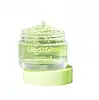
This calming moisturizer is formulated around Centella Asiatica Extract and Allantoin to calm redness and strengthen the skin barrier.
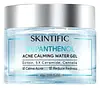
This calming moisturizer is formulated around Panthenol and Centella Asiatica Extract to calm redness and strengthen the skin barrier.


What's inside
What's inside
 Key Ingredients
Benefits
Concerns
Ingredients Side-by-side
Water
Skin ConditioningDipropylene Glycol
HumectantDiethoxyethyl Succinate
SolventAcrylates/C10-30 Alkyl Acrylate Crosspolymer
Emulsion StabilisingErythritol
Humectant
Tromethamine
BufferingButylene Glycol
Humectant
1,2-Hexanediol
Skin Conditioning
Pentylene Glycol
Skin Conditioning
Centella Asiatica Extract
Cleansing




Allantoin
Skin Conditioning
Glycerophosphoinositol Choline
Skin ProtectingEthylhexylglycerin
Skin ConditioningAvena Sativa Kernel Extract
Abrasive

Hydroxyphenyl Propamidobenzoic Acid
Skin ConditioningAscorbyl Palmitate
Antioxidant



Pentasodium Pentetate
Phytic Acid

Silver Oxide
AntimicrobialAmmonium Acryloyldimethyltaurate/Vp Copolymer
Propanediol
Solvent
Phenoxyethanol
Preservative
Chlorella Vulgaris Extract
Skin ConditioningLactic Acid
Buffering




Phaeodactylum Tricornutum Extract
HumectantLecithin
Emollient
Sodium Ascorbate
Antioxidant
Tocopherol
Antioxidant
Water, Dipropylene Glycol, Diethoxyethyl Succinate, Acrylates/C10-30 Alkyl Acrylate Crosspolymer, Erythritol, Tromethamine, Butylene Glycol, 1,2-Hexanediol, Pentylene Glycol, Centella Asiatica Extract, Allantoin, Glycerophosphoinositol Choline, Ethylhexylglycerin, Avena Sativa Kernel Extract, Hydroxyphenyl Propamidobenzoic Acid, Ascorbyl Palmitate, Pentasodium Pentetate, Phytic Acid, Silver Oxide, Ammonium Acryloyldimethyltaurate/Vp Copolymer, Propanediol, Phenoxyethanol, Chlorella Vulgaris Extract, Lactic Acid, Phaeodactylum Tricornutum Extract, Lecithin, Sodium Ascorbate, Tocopherol
Water
Skin ConditioningPanthenol
Skin Conditioning
Methyl Gluceth-20
Humectant
Dipropylene Glycol
HumectantCentella Asiatica Extract
Cleansing
Calendula Officinalis Extract
Skin Conditioning
Avena Sativa Kernel Extract
Abrasive
Phaeodactylum Tricornutum Extract
HumectantChlorella Vulgaris Extract
Skin ConditioningPentylene Glycol
Skin Conditioning
Acrylates/C10-30 Alkyl Acrylate Crosspolymer
Emulsion StabilisingTromethamine
Buffering1,2-Hexanediol
Skin Conditioning
Ectoin
Skin Conditioning
Ceramide NP
Skin Conditioning
Ceramide As
Skin Conditioning
Ceramide Ns
Skin Conditioning
Ceramide AP
Skin Conditioning
Ceramide EOP
Skin Conditioning
Butylene Glycol
Humectant
Glycerophosphoinositol Choline
Skin ProtectingGlycerin
Humectant
Ammonium Acryloyldimethyltaurate/Vp Copolymer
Hydrogenated Lecithin
Emulsifying
Tocopherol
Antioxidant
Pentasodium Pentetate
Erythritol
Humectant
Propanediol
Solvent
Phytic Acid
Silver Oxide
AntimicrobialDiethoxyethyl Succinate
SolventHydroxyphenyl Propamidobenzoic Acid
Skin ConditioningLecithin
Emollient
Sodium Ascorbate
Antioxidant
Ascorbyl Palmitate
Antioxidant
Water, Panthenol, Methyl Gluceth-20, Dipropylene Glycol, Centella Asiatica Extract, Calendula Officinalis Extract, Avena Sativa Kernel Extract, Phaeodactylum Tricornutum Extract, Chlorella Vulgaris Extract, Pentylene Glycol, Acrylates/C10-30 Alkyl Acrylate Crosspolymer, Tromethamine, 1,2-Hexanediol, Ectoin, Ceramide NP, Ceramide As, Ceramide Ns, Ceramide AP, Ceramide EOP, Butylene Glycol, Glycerophosphoinositol Choline, Glycerin, Ammonium Acryloyldimethyltaurate/Vp Copolymer, Hydrogenated Lecithin, Tocopherol, Pentasodium Pentetate, Erythritol, Propanediol, Phytic Acid, Silver Oxide, Diethoxyethyl Succinate, Hydroxyphenyl Propamidobenzoic Acid, Lecithin, Sodium Ascorbate, Ascorbyl Palmitate
Reviews
Alternatives
Ingredients Explained
These ingredients are found in both products.
Ingredients higher up in an ingredient list are typically present in a larger amount.
1,2-Hexanediol is a synthetic liquid and another multi-functional powerhouse.
It is a:
- Humectant, drawing moisture into the skin
- Emollient, helping to soften skin
- Solvent, dispersing and stabilizing formulas
- Preservative booster, enhancing the antimicrobial activity of other preservatives
Acrylates/C10-30 Alkyl Acrylate Crosspolymer is a synthetic polymer. It is used to thicken, emulsify, and improve the texture of products.
As an emulsifier, it helps stabilize oil-in-water emulsions to give products an elegant feel when applied.
It can also form a thin protective film on skin. One study found that a formula using this polymer helped slow down how quickly other ingredients (like DEET) were absorbed through skin.
A 2024 study of over 1,300 patients confirmed that sensitization to this ingredient is rare. It is also non-mutagenic and has a clean track record.
Learn more about Acrylates/C10-30 Alkyl Acrylate CrosspolymerAmmonium Acryloyldimethyltaurate/Vp Copolymer is a synthetically created polymer. It's used as a film-forming agent and used to thicken the consistency of products.
Think of it as a supportive ingredient that helps your gel-creams feel silky, "cloud cream-like", and spread evenly without being greasy.
The Cosmetic Ingredient Review (CIR) Expert Panel evaluated it (along with 22 other acryloyldimethyltaurate polymers) and concluded it's:
Due to its large molecular size, it sits on the surface of skin rather than penetrating it.
Learn more about Ammonium Acryloyldimethyltaurate/Vp CopolymerAscorbyl Palmitate is a fat-soluble form of vitamin C (Ascorbic Acid) made by combining it with palmitic acid.
It is able to blend easily into creams and oil-based formulas because it dissolves in oils rather than water.
As you may know, regular vitamin C is notorious for breaking down when exposed to sunlight and air. Ascorbyl Palmitate is more stable and degrades at a slower rate.
Research on whether it converts efficiently into active vitamin C once it's applied on your skin is still limited.
Some in-vitro studies suggest it may support collagen production, but it is not considered one of the stronger vitamin C derivatives, like:
Due to the palmitic acid base, this ingredient may not be fungal acne safe. Comedogenic studies have also shown this ingredient to have a rating of 2.
It's also worth keeping in mind that comedogenic and irritancy ratings are tested on individual ingredients, not finished formulas. The final product's formulation, concentration, and other ingredients all play a role in how something actually behaves on your skin.
Learn more about Ascorbyl PalmitateAvena Sativa Kernel Extract is is derived from colloidal oatmeal. Besides being a healthy breakfast, oats have many benefits in skincare too.
This ingredient helps sooth, hydrate, and protect the skin. The starches in colloidal oatmeal are able to bind water, keeping the skin hydrated.
The cellulose and fiber in colloidal oatmeal help reduce inflammation. This can also help the skin feel softer.
Colloidal Oatmeal is also an antioxidant. Antioxidants protect our skin from free-radical damage.
Oatmeal also contains beneficial compounds:
This ingredient is created by mixing grounded oatmeal and a liquid base.
Learn more about Avena Sativa Kernel ExtractButylene Glycol (or BG) is used within cosmetic products for a few different reasons:
Overall, Butylene Glycol is a safe and well-rounded ingredient that works well with other ingredients.
Though this ingredient works well with most skin types, some people with sensitive skin may experience a reaction such as allergic rashes, closed comedones, or itchiness.
Learn more about Butylene GlycolCentella Asiatica Extract (Centella) is one of the most researched botanical extracts in skincare with decades of studies backing its effects on inflammation, collagen, and the skin barrier.
That research keeps pointing back to the same four triterpenoid saponins: Asiaticoside, Madecassoside, Asiatic Acid, and Madecassic Acid.
These compounds allow centella to dial back inflammation, encourage the skin to build and hold onto collagen, support the barrier and hydration, and bring solid antioxidant activity to protect against signs of aging.
Centella also carries a nice supporting cast of Vitamin A, vitamin C, several B vitamins, and amino acids. Put it all together and you get an ingredient that soothes, hydrates, and protects, all at once.
Most of centella's magic comes from the four big compounds (Asiaticoside, Madecassoside, Asiatic Acid, and Madecassic Acid). These are the actives doing the heavy lifting in almost every centella study.
Here is the short version of what they do in the skin:
So it is not just soothing for the sake of soothing. Centella calms the skin AND helps it rebuild.
Just FYI, not all centella on an ingredient list is the same. What you are getting actually depends on the extract:
Fun fact on the ratios: the leaves tend to be richest in Madecassoside and Asiaticoside, and lower in the two acids. The exact amounts shift with where the plant is grown and how it is processed. This means purity really does vary brand to brand.
Centella is one of the most easygoing actives out there.
It layers well with basically everything: niacinamide, hyaluronic acid, peptides, and vitamin C, and also pairs nicely with stronger actives like retinoids and exfoliating acids where it can help take the edge off irritation.
On the safety side, centella and its triterpenes are classified as weak sensitizers, meaning allergic reactions are possible but uncommon.
Patch tests at 1% and 5% came back negative in test panels, and creams at typical use levels did not cause allergic reactions across large groups of people.
But as with any new active, a patch test is still a smart move for very reactive skin.
Centella is widely used because it is effective at low percentages. For context, human safety testing found no meaningful irritation from creams containing centella extract at everyday use levels (the tested amounts were well under 1%).
The irritancy threshold in animal testing was also above 30% (so real-world formulas sit far below anything concerning).
In collagen lab studies, higher concentrations drove more collagen synthesis, so serums built around centella tend to feature it more prominently.
Bottom line: you will find centella working nicely anywhere from a fraction of a percent up to hero-ingredient levels depending on whether it is a supporting soother or the main event.
Fun fact: Centella has been used as a medicine and in food for many centuries. As a medicine, it is used to treat burns, scratches, and wounds.
Learn more about Centella Asiatica ExtractChlorella Vulgaris Extract comes from a single-celled green freshwater algae.
The version used in skincare is almost always a water or glycerin-based extract that is basically the algae's amino acids, peptides, sugars, and chlorophyll pigments.
It acts as a skin-conditioning agent and the research behind it at this time is mostly lab-dish rather than human trials.
Isolated Chlorella peptides inhibit collagenase and elastase (the enzymes that chew up collagen and elastin) and mop up free radicals in test-tube assays. Another study found a Chlorella gel sped up wound healing in mice. Many of the firming or dark-circle claims come from the ingredient supplier's own studies.
Suppliers suggest using 1-2% of the trade version (Water/Glycerin + Chlorella Vulgaris Extract) in a finished formula which means the actual algae solids are a fraction of a percent.
Allergy risk is low and topical reactions are rare; the 2020 anaphylaxis case came from eating Chlorella supplements and not from putting it on skin.
However, patch testing is sensible if you have reacted to algae before.
The "chlorella is high in iodine so it breaks you out" line borrows from marine seaweed. Freshwater Chlorella isn't a notable iodine source unless it's deliberately grown in iodine-enriched medium.
Just so you know, many lists give algae a comedogenic rating of 5 and that number doesn't come from anywhere; it's not in the original rabbit-ear studies that most comedogenic ratings trace back to.
The reasoning behind the reputation is that seaweed is high in iodine and iodine can trigger acne-like breakouts when eaten. This traces back to a 1976 letter in Archives of Dermatology describing two women whose breakouts cleared after they stopped taking high-dose kelp supplements orally.
And the reaction of these two women wasn't clogged pores at all: it was an iodine-triggered pustular rash. Later research found normal dietary iodine doesn't meaningfully affect acne either and nobody has shown topical algae delivers enough iodine to matter.
Learn more about Chlorella Vulgaris ExtractWe don't have a description for Diethoxyethyl Succinate yet.
Dipropylene Glycol is a synthetically created humectant, stabilizer, and solvent.
This ingredient helps:
Dipropylene glycol is technically an alcohol, but it belongs to the glycol family (often considered part of the ‘good’ alcohols). This means it is hydrating and gentle on skin unlike drying solvent alcohols like denatured alcohol.
As a masking agent, Dipropylene Glycol can be used to cover the smell of other ingredients. However, it does not have a scent.
Studies show Dipropylene Glycol is considered safe to use in skincare.
Learn more about Dipropylene GlycolYou might know this ingredient as a sugar substitute in foods. It is a sugar alcohol with humectant properties.
Humectants attract water to your skin (like glycerin or hyaluronic acid).
Fun fact: Erythritol can be naturally found in some fermented foods.
Learn more about ErythritolWe don't have a description for Glycerophosphoinositol Choline yet.
We don't have a description for Hydroxyphenyl Propamidobenzoic Acid yet.
Lecithin is a term for a group of substances found in the cell membranes of plants, animals, and humans. They are made up of phospholipids.
Thanks to its amphiphilic structure (water-loving head and oil-loving tail), it is a true multitasker:
It plays well with most ingredients and is typically used at 0.1-1%. However, concentrations up to 50% have been reported in moisturizers.
Learn more about LecithinWe don't have a description for Pentasodium Pentetate yet.
Pentylene Glycol (1,2-pentanediol) is a multitasking little diol with three main roles in a formula:
Research on alkanediols (the family pentylene glycol belongs to) show they work by disrupting microbial cell membranes. This disruption helps the primary preservative system in a product work more effectively at lower doses.
On the safety side, the Cosmetic Ingredient Review Expert Panel has concluded this ingredient to be safe as used in current cosmetic practices + concentrations.
Typical use levels in a formula run about 1-5%.
Learn more about Pentylene GlycolWe don't have a description for Phaeodactylum Tricornutum Extract yet.
Phytic Acid is a gentle AHA and antioxidant. AHAs are chemical exfoliants that help remove dead skin cells. Phytic Acid has a slight and mild exfoliating effect.
The chemical makeup makes it classified as an AHA, much like lactic acid.
In some cases, it is a chelating agent. Chelating agents help prevent metals from binding to water, helping to stabilize the ingredients in a product.
An interesting fact about phytic acid is that it is considered an antinutrient. People do not have the enzyme needed to properly breakdown and digest phytic acid. When ingested, phytic acid binds to minerals and prevents them from being absorbed.
Read more about some other popular AHA's here:
Learn more about Phytic AcidPropanediol is an all-star ingredient. It softens, hydrates, and smooths the skin.
It’s often used to:
Propanediol is not likely to cause sensitivity and considered safe to use. It is derived from corn or petroleum with a clear color and no scent.
Learn more about PropanediolWe don't have a description for Silver Oxide yet.
Sodium Ascorbate is a form of Vitamin C. It is derived from the sodium salt of ascorbic acid.
As a Vitamin C, it is an antioxidant. It can help to reduce redness, improve skin texture, reduce the effects of aging, and reduce the visibility of dark spots.
Tocopherol is a fat-soluble antioxidant known as Vitamin E.
You'll find this ingredient in the vast majority of skincare (for good reason). It works to neutralize free radicals, or unstable molecules generated by UV exposure, pollution, and other environmental stressors, before they can cause oxidative damage to your skin cells.
Topically applied tocopherol has been shown to protect against UV damage by ramping up the skin's own natural defense enzymes.
It also acts as a skin conditioning agent; some studies show that regular topical use can improve the skin's water-binding capacity over 2-4 weeks.
This ingredient is especially loved for being a team player. When combined with Vitamin C, the photoprotective effect of both ingredients roughly doubles and the combo also helps reduce UV-induced DNA damage.
This ingredient has some brightening potential but it's more of a prevention ingredient than spot-fader. Cell studies show it can slow down melanin production but it's worth noting that it's not the most powerful brightener out there.
In formulations, it also serves as a stabilizer that helps protect other oxidation-prone ingredients from degrading.
Concentrations usually range from 0.1-1% in most leave-on products.
Learn more about TocopherolTromethamine (aka THAM) is a synthetic amino acid that shows up in skincare as a helper ingredient.
It functions as a pH adjuster to help neutralize acidic ingredients and set a formula's pH to the right spot.
This matters a lot because a lot of actives (like vitamin C) needs a specific pH to work well and feel comfortable on skin.
Concentration use ranges from 0.1-1.0% depending on the formula.
Learn more about TromethamineWater. It's the most common cosmetic ingredient of all. You'll usually see it at the top of ingredient lists, meaning that it makes up the largest part of the product.
So why is it so popular? Water most often acts as a solvent - this means that it helps dissolve other ingredients into the formulation.
You'll also recognize water as that liquid we all need to stay alive. If you see this, drink a glass of water. Remember to stay hydrated!
Learn more about Water

