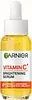
This brightening serum is formulated around Niacinamide and Ascorbyl Glucoside to brighten dull-looking skin and fade the look of dark spots.
This brightening serum is formulated around 3-O-Ethyl Ascorbic Acid and Ascorbyl Tetraisopalmitate to brighten dull-looking skin and fade the look of dark spots.


What's inside
What's inside
 Key Ingredients
Benefits
Concerns
Ingredients Side-by-side
Water
Skin ConditioningGlycerin
Humectant


Alcohol Denat.
Antimicrobial




Dipropylene Glycol
HumectantButylene Glycol
Humectant
Niacinamide
Smoothing









PEG/PPG/Polybutylene Glycol-8/5/3 Glycerin
HumectantHydroxyethylpiperazine Ethane Sulfonic Acid
BufferingIsononyl Isononanoate
EmollientAscorbyl Glucoside
Antioxidant

Citrus Limon Fruit Extract
Masking
Potassium Hydroxide
Buffering2-Mercaptonicotinoyl Glycine
Skin Conditioning
Sodium Hyaluronate
Humectant
Sodium Thiosulfate
Silica
Abrasive
Adenosine
Skin Conditioning
Phenylethyl Resorcinol
Antioxidant
Ammonium Polyacryloyldimethyl Taurate
Emulsion StabilisingHydrogenated Lecithin
Emulsifying
Caprylyl Glycol
Emollient
Tetrasodium Glutamate Diacetate
ChelatingTrisodium Ethylenediamine Disuccinate
ChelatingXanthan Gum
EmulsifyingTocopheryl Acetate
Antioxidant
Salicylic Acid
Masking

Chlorphenesin
Antimicrobial
CI 15510
Cosmetic ColorantCI 19140
Cosmetic ColorantLinalool
Perfuming

Geraniol
Perfuming
Limonene
Perfuming
Parfum
Masking
Water, Glycerin, Alcohol Denat., Dipropylene Glycol, Butylene Glycol, Niacinamide, PEG/PPG/Polybutylene Glycol-8/5/3 Glycerin, Hydroxyethylpiperazine Ethane Sulfonic Acid, Isononyl Isononanoate, Ascorbyl Glucoside, Citrus Limon Fruit Extract, Potassium Hydroxide, 2-Mercaptonicotinoyl Glycine, Sodium Hyaluronate, Sodium Thiosulfate, Silica, Adenosine, Phenylethyl Resorcinol, Ammonium Polyacryloyldimethyl Taurate, Hydrogenated Lecithin, Caprylyl Glycol, Tetrasodium Glutamate Diacetate, Trisodium Ethylenediamine Disuccinate, Xanthan Gum, Tocopheryl Acetate, Salicylic Acid, Chlorphenesin, CI 15510, CI 19140, Linalool, Geraniol, Limonene, Parfum
Water
Skin ConditioningGlycerin
Humectant
PEG-40 Hydrogenated Castor Oil
Emulsifying

Propylene Glycol
Humectant
3-O-Ethyl Ascorbic Acid
Skin Conditioning
Ascorbyl Tetraisopalmitate
Antioxidant
Phenoxyethanol
Preservative
Caprylyl Glycol
Emollient
Sodium Benzoate
Masking
Xanthan Gum
EmulsifyingAcrylates/C10-30 Alkyl Acrylate Crosspolymer
Emulsion StabilisingNeopentyl Glycol Diheptanoate
EmollientTocopheryl Acetate
Antioxidant
Trisodium Ethylenediamine Disuccinate
ChelatingButylene Glycol
Humectant
Sodium Hyaluronate
Humectant
Parfum
Masking
Dipropylene Glycol
HumectantLimonene
Perfuming
Citrus Junos Fruit Extract
Skin ConditioningCI 15985
Cosmetic ColorantCI 19140
Cosmetic ColorantCI 42090
Cosmetic ColorantWater, Glycerin, PEG-40 Hydrogenated Castor Oil, Propylene Glycol, 3-O-Ethyl Ascorbic Acid, Ascorbyl Tetraisopalmitate, Phenoxyethanol, Caprylyl Glycol, Sodium Benzoate, Xanthan Gum, Acrylates/C10-30 Alkyl Acrylate Crosspolymer, Neopentyl Glycol Diheptanoate, Tocopheryl Acetate, Trisodium Ethylenediamine Disuccinate, Butylene Glycol, Sodium Hyaluronate, Parfum, Dipropylene Glycol, Limonene, Citrus Junos Fruit Extract, CI 15985, CI 19140, CI 42090
Reviews
Ingredients Explained
These ingredients are found in both products.
Ingredients higher up in an ingredient list are typically present in a larger amount.
Butylene Glycol (or BG) is used within cosmetic products for a few different reasons:
Overall, Butylene Glycol is a safe and well-rounded ingredient that works well with other ingredients.
Though this ingredient works well with most skin types, some people with sensitive skin may experience a reaction such as allergic rashes, closed comedones, or itchiness.
Learn more about Butylene GlycolCaprylyl Glycol is a humectant, skin conditioner, emollient, and preservative booster derived from either caprylic acid or synthetically created.
Typical use levels vary from 0.3-1% as a preservative booster and go up to 2% to condition skin.
Because it is not a free-fatty acid, this ingredient is fungal acne safe (there's nothing for Malassezia to feed on).
Learn more about Caprylyl GlycolCI 19140 is also known as Tartrazine. Tartrazine is a synthetic dye used in cosmetics, foods, and medicine to add a yellow color.
Tartrazine is created from petroleum and is water-soluble.
Some people may experience allergies from this dye, especially asthmatics and those with an aspirin intolerance.
Learn more about CI 19140Dipropylene Glycol is a synthetically created humectant, stabilizer, and solvent.
This ingredient helps:
Dipropylene glycol is technically an alcohol, but it belongs to the glycol family (often considered part of the ‘good’ alcohols). This means it is hydrating and gentle on skin unlike drying solvent alcohols like denatured alcohol.
As a masking agent, Dipropylene Glycol can be used to cover the smell of other ingredients. However, it does not have a scent.
Studies show Dipropylene Glycol is considered safe to use in skincare.
Learn more about Dipropylene GlycolGlycerin (or glycerol) is a compound naturally found in your skin. It's a powerhouse humectant that pulls water into the stratum corneum.
Topically, glycerin does several things at once:
Your skin makes glycerin on its own (mostly from sebaceous oil breakdown) and shuttles it to your outermost layer of skin, or your epidermis, via aquaporin-3.
Aquaporin-3 is a transporter that is essential for normal skin hydration, elasticity, and repair. Interestingly, mice lacking in AQP3 have dry and less elastic skin that can be fully corrected with glycerin.
This ingredient is non-irritating, plays well with almost every ingredient, and works across all skin types. Typical use is anywhere between 3-10% but can go up to 79% in some leave-on products.
Just know very high concentrations (>40%) can feel tacky in low humidity.
Glycerin is the name for this ingredient in American English. British English uses Glycerol/Glycerine.
Learn more about GlycerinLimonene is the compound that gives citrus peel its smell.
In skincare, it shows up as a standalone fragrance ingredient or as a natural compound of citrus and other essential oils.
You'll typically see this ingredient used in very small amounts; anything above 0.001% in a leave-on product or 0.01% in a rinse-off has to be named on the label in the EU. The citrus oils that carry it sit around 0.5-1% in a finished formula.
Fresh limonene is a weak allergen; the real issue is that it slowly reacts with air and then breaks down from oxidation to create hydroperoxides (which are strong sensitizers). This is why suppliers are required to keep the peroxide value below 20 mmol.
Positive reactions in people being investigated for eczema vary:
It's worth skipping if you have a known fragrance allergy or a compromised barrier, but the risk is low for most people.
Older or long-opened products are also more likely to bother you than fresh ones due to oxidation.
Learn more about LimoneneParfum is a catch-all term for an ingredient or more that is used to give a scent to products.
Also called "fragrance", this ingredient can be a blend of hundreds of chemicals or plant oils. This means every product with "fragrance" or "parfum" in the ingredients list is a different mixture.
For instance, Habanolide is a proprietary trade name for a specific aroma chemical. When used as a fragrance ingredient in cosmetics, most aroma chemicals fall under the broad labeling category of “FRAGRANCE” or “PARFUM” according to EU and US regulations.
The term 'parfum' or 'fragrance' is not regulated in many countries. In many cases, it is up to the brand to define this term.
For instance, many brands choose to label themselves as "fragrance-free" because they are not using synthetic fragrances. However, their products may still contain ingredients such as essential oils that are considered a fragrance by INCI standards.
One example is Calendula flower extract. Calendula is an essential oil that still imparts a scent or 'fragrance'.
Depending on the blend, the ingredients in the mixture can cause allergies and sensitivities on the skin. Some ingredients that are known EU allergens include linalool and citronellol.
Parfum can also be used to mask or cover an unpleasant scent.
The bottom line is: not all fragrances/parfum/ingredients are created equally. If you are worried about fragrances, we recommend taking a closer look at an ingredient. And of course, we always recommend speaking with a professional.
Learn more about ParfumSodium Hyaluronate is the salt form of hyaluronic acid. It is a long sugar chain that is naturally found in your skin, joints, and connective tissue that maintains hydration and elasticity.
In skincare, it works as a humectant. It pulls water from the environment and deeper layers of skin and binds it to the surface.
Interestingly, the size of the molecule affects its behavior:
Some clinical evidence links low molecular weight versions to improved wrinkle depth, elasticity, anti-inflammatory effects, and barrier repair.
Many serums use a blend of both weights so you can get surface hydration plus longer-lasting and deeper effects.
You'll typically see concentrations between 0.1-2% for this ingredient.
Learn more about Sodium HyaluronateTocopheryl Acetate is a stable, shelf-friendly form of vitamin E.
Formulators love it because plain vitamin E oxidizes quickly once it hits air. This acetate version stays stable and resists going off, helping to extend a product's shelf life.
It's actually inactive on its own and works like a slow-release "storage" form; the enzymes in your skin called esterases gradually convert it into active vitamin E over time.
One in vivo study showed 5% of the acetate in the living layer of the epidermis converted to vitamin E after 5 days of application. This study also found the skin gained protection against UV damage even though the conversion was slow and small.
Once converted, vitamin E acts as a skin's main fat-soluble antioxidant that fights free radicals to protect skin from damage.
Topical vitamin E generally boosts the skin's photoprotection, and it reduced UV-damage in animal models.
This ingredient has some brightening potential but it's more of a prevention ingredient than spot-fader. Cell studies show it can slow down melanin production but it's worth noting that it's not the most powerful brightener out there.
Overall, it has a pretty solid safety profile and has been found to be non-irritating and non-comedogenic. Allergic reactions may happen but stay rare due to how widely the ingredient gets used.
The concentration will vary depending on the formula; industry data shows 0.1% in baby lotions, 3% in lipsticks, and 5% in foot powders. You can also find this ingredient at 100% in a pure vitamin E oil.
Most leave-on skincare keeps it at the lower end, often between 0.5-1%.
Learn more about Tocopheryl AcetateTrisodium Ethylenediamine Disuccinate is used to help stabilize a product.
It is a chelating agent, meaning it helps prevent metal ions from binding to other ingredients. This prevents unwanted reactions in products. Metal ions can come into a product via the water ingredient. They are found in trace amounts and are not known to be harmful.
Water. It's the most common cosmetic ingredient of all. You'll usually see it at the top of ingredient lists, meaning that it makes up the largest part of the product.
So why is it so popular? Water most often acts as a solvent - this means that it helps dissolve other ingredients into the formulation.
You'll also recognize water as that liquid we all need to stay alive. If you see this, drink a glass of water. Remember to stay hydrated!
Learn more about WaterXanthan gum is used as a stabilizer and thickener within cosmetic products. It helps give products a sticky, thick feeling - preventing them from being too runny.
On the technical side of things, xanthan gum is a polysaccharide - a combination consisting of multiple sugar molecules bonded together.
Xanthan gum is a pretty common and great ingredient. It is a natural, non-toxic, non-irritating ingredient that is also commonly used in food products.
Learn more about Xanthan Gum

