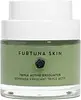
This smoothing exfoliator is formulated around Gluconolactone and Papain to refine skin texture and brighten dull-looking skin.


What's inside
What's inside
 Key Ingredients
Benefits
Concerns
Ingredients Side-by-side
Caprylic/Capric Triglyceride
Masking


Glycerin
Humectant
Water
Skin ConditioningHydrogenated Vegetable Oil
Emollient




Cellulose Acetate
Polyglyceryl-6 Distearate
Emulsifying
Candelilla/Jojoba/Rice Bran Polyglyceryl-3 Esters
Emulsifying
Gluconolactone
Chelating






Glyceryl Stearate
Emollient
Olea Europaea Fruit Oil
Masking
Olea Europaea Leaf Water
Skin ConditioningPapain
Skin Conditioning
Bromelain
Skin Conditioning
Olea Europaea Seed Powder
Abrasive
Perlite
Absorbent
Acer Saccharum Extract
Skin ConditioningSaccharum Officinarum Extract
MoisturisingChlorella Pyrenoidosa Extract
Skin ConditioningCarthamus Tinctorius Flower Extract
Skin ConditioningVaccinium Myrtillus Fruit Extract
Skin ConditioningCitrus Aurantium Dulcis Fruit Extract
MaskingCitrus Limon Fruit Extract
Masking
Beta Vulgaris Root Extract
Skin ConditioningCichorium Intybus Root Extract
MaskingMalva Sylvestris Flower/Leaf Extract
Skin ConditioningPapaver Rhoeas Flower Extract
Skin ConditioningPortulaca Oleracea Extract
Skin Conditioning
Lamium Album Leaf Extract
Skin ConditioningUrtica Dioica Leaf Extract
Skin ConditioningGardenia Jasminoides Fruit Extract
Cosmetic ColorantMaltodextrin
Absorbent
Potassium Cetyl Phosphate
EmulsifyingSodium Dehydroacetate
Preservative
Sodium Benzoate
Masking
Potassium Sorbate
Preservative
Citric Acid
Buffering
Caprylic/Capric Triglyceride, Glycerin, Water, Hydrogenated Vegetable Oil, Cellulose Acetate, Polyglyceryl-6 Distearate, Candelilla/Jojoba/Rice Bran Polyglyceryl-3 Esters, Gluconolactone, Glyceryl Stearate, Olea Europaea Fruit Oil, Olea Europaea Leaf Water, Papain, Bromelain, Olea Europaea Seed Powder, Perlite, Acer Saccharum Extract, Saccharum Officinarum Extract, Chlorella Pyrenoidosa Extract, Carthamus Tinctorius Flower Extract, Vaccinium Myrtillus Fruit Extract, Citrus Aurantium Dulcis Fruit Extract, Citrus Limon Fruit Extract, Beta Vulgaris Root Extract, Cichorium Intybus Root Extract, Malva Sylvestris Flower/Leaf Extract, Papaver Rhoeas Flower Extract, Portulaca Oleracea Extract, Lamium Album Leaf Extract, Urtica Dioica Leaf Extract, Gardenia Jasminoides Fruit Extract, Maltodextrin, Potassium Cetyl Phosphate, Sodium Dehydroacetate, Sodium Benzoate, Potassium Sorbate, Citric Acid
Water
Skin ConditioningCaprylic/Capric Triglyceride
Masking
Kaolin
Abrasive
Cetearyl Alcohol
Emollient

Isopropyl Myristate
Emollient
Glycerin
Humectant
Cellulose
Absorbent
Glyceryl Stearate
Emollient
Cannabis Sativa Seed Oil
Emollient
Vaccinium Myrtillus Fruit/Leaf Extract
AstringentSaccharum Officinarum Extract
MoisturisingCitrus Aurantium Dulcis Fruit Extract
MaskingCitrus Limon Fruit Extract
Masking
Acer Saccharum Extract
Skin ConditioningCeteareth-20
Cleansing
Xanthan Gum
EmulsifyingCitrus Aurantium Dulcis Peel Oil
Masking
Glycine Soja Oil
Emollient
Tocopherol
Antioxidant

Phenoxyethanol
Preservative
Ethylhexylglycerin
Skin ConditioningCI 77492
Cosmetic ColorantCI 77491
Cosmetic ColorantLimonene
Perfuming
Water, Caprylic/Capric Triglyceride, Kaolin, Cetearyl Alcohol, Isopropyl Myristate, Glycerin, Cellulose, Glyceryl Stearate, Cannabis Sativa Seed Oil, Vaccinium Myrtillus Fruit/Leaf Extract, Saccharum Officinarum Extract, Citrus Aurantium Dulcis Fruit Extract, Citrus Limon Fruit Extract, Acer Saccharum Extract, Ceteareth-20, Xanthan Gum, Citrus Aurantium Dulcis Peel Oil, Glycine Soja Oil, Tocopherol, Phenoxyethanol, Ethylhexylglycerin, CI 77492, CI 77491, Limonene
Ingredients Explained
These ingredients are found in both products.
Ingredients higher up in an ingredient list are typically present in a larger amount.
We don't have a description for Acer Saccharum Extract yet.
Caprylic/Capric Triglyceride (aka MCT Oil) is a lightweight emollient, solvent, and texture enhancer. It is considered a skin-softener by helping to prevent moisture loss.
Though it behaves like an oil, it is not technically one due to its chemical composition. One perk of this ingredient is that it is very stable, resistant to oxidation, and unlikely to go rancid.
In practice, that translates to a long shelf life and a consistently elegant skin feel.
While there is an assumption Caprylic Triglyceride can clog pores due to it being derived from coconut oil, there is no research supporting this. Just patch test if you have concerns.
Fractionated coconut oil and MCT Oil are both listed as Caprylic/Capric Triglyceride according to INCI. This is because INCI names are based on the ingredient’s final chemical composition and not its marketing name or source.
This ingredient is treated as the gold standard fungal acne safe oil. Even though it is coconut derived, the problematic lauric acid is stripped out.
This leaves just caprylic (C8) and capric (C10) acid. These chain lengths actually trend antifungal; a 2020 study found caprylic acid was enough to disrupt Malassezia furfur cell membrane, with a caprylic acid derivative damaging membrane structures at concentrations as low as 0.2%.
Learn more about Caprylic/Capric TriglycerideCitrus Aurantium Dulcis Fruit Extract is more commonly known as the bitter orange. Native to Southeast Asia, this extract is commonly found in both cosmetics and foods.
The bitter orange possesses antibacterial and antioxidant properties.
It can also be mildly exfoliating due to the citric acid, an AHA.
Citrus fruits are rich in flavonoids, alkaloids, and vitamin C.
Learn more about Citrus Aurantium Dulcis Fruit ExtractCitrus Limon Fruit Extract comes from lemons. While lemon extract is exfoliating and antimicrobial, it can also cause skin sensitivity.
Lemons contains antioxidants, which may help with anti-aging. They are also rich in citric acid, an AHA.
And of course, lemons are rich in Vitamin C. Vitamin C helps with skin-brightening and increasing collagen production.
The acidity of lemons may work as an astringent for acne.
However, lemons can also cause skin sensitivity due to its limonene content. It can also increase photosensitivity, or sensitivity to the sun.
This ingredient is also used to add a lemon scent to products.
Learn more about Citrus Limon Fruit ExtractGlycerin (or glycerol) is a compound naturally found in your skin. It's a powerhouse humectant that pulls water into the stratum corneum.
Topically, glycerin does several things at once:
Your skin makes glycerin on its own (mostly from sebaceous oil breakdown) and shuttles it to your outermost layer of skin, or your epidermis, via aquaporin-3.
Aquaporin-3 is a transporter that is essential for normal skin hydration, elasticity, and repair. Interestingly, mice lacking in AQP3 have dry and less elastic skin that can be fully corrected with glycerin.
This ingredient is non-irritating, plays well with almost every ingredient, and works across all skin types. Typical use is anywhere between 3-10% but can go up to 79% in some leave-on products.
Just know very high concentrations (>40%) can feel tacky in low humidity.
Glycerin is the name for this ingredient in American English. British English uses Glycerol/Glycerine.
Learn more about GlycerinGlyceryl Stearate is made by reacting glycerin with stearic acid (typically sourced from plant oils like palm or coconut). It's an emulsifier, emollient, and mild occlusive.
Emulsifiers help ingredients like oil and water stay mixed so your formula stays nicely blended and uniform in texture.
This ingredient is typically used in concentrations between 1-10%. Studies have found it to be non-sensitizing, non-phototoxic, and non-photoallergenic.
A close cousin of this ingredient is Glyceryl Stearate SE ("self-emulsifying"). This just has a small amount of sodium or potassium stearate added so it can emulsify without a co-emulsifier.
Since this ingredient is an ester of a C18 fatty acid, it may not be fungal acne safe. The Malassezia yeast can potentially metabolize within the C11-C24 range.
Fun fact: The human body also creates Glyceryl Stearate naturally.
Learn more about Glyceryl StearateThis ingredient is also called sugarcane extract. It is a moisturizing humectant and has skin soothing properties.
Similar to hyaluronic acid, sugarcane can attract moisture to your skin.
Glycolic acid is a derivative of sugarcane. While glycolic acid is an AHA with exfoliating properties, sugarcane is not an AHA.
A study from 2021 found the compounds in sugarcane extract to have antioxidant, antimicrobial, and anti-inflammatory activity. The study also suggests these compounds can inhibit skin ageing enzymes and promote collagen synthesis.
Learn more about Saccharum Officinarum ExtractWater. It's the most common cosmetic ingredient of all. You'll usually see it at the top of ingredient lists, meaning that it makes up the largest part of the product.
So why is it so popular? Water most often acts as a solvent - this means that it helps dissolve other ingredients into the formulation.
You'll also recognize water as that liquid we all need to stay alive. If you see this, drink a glass of water. Remember to stay hydrated!
Learn more about Water

