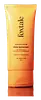
This chemical sunscreen covers the full UV range and blocks ~98% of UVB at SPF 50.
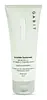
This chemical sunscreen covers the full UV range and blocks ~98% of UVB at SPF 40.

What's inside
What's inside
 Key Ingredients
Benefits
Concerns
Ingredients Side-by-side
Water
Skin ConditioningC12-15 Alkyl Benzoate
AntimicrobialPropylene Glycol
Humectant


Methylene Bis-Benzotriazolyl Tetramethylbutylphenol
UV Filter
Decyl Glucoside
Cleansing
Xanthan Gum
EmulsifyingDiethylamino Hydroxybenzoyl Hexyl Benzoate
UV Filter
Cetearyl Olivate

Sorbitan Olivate
Emulsifying
Ethylhexyl Triazone
UV Absorber
Dimethicone
Emollient

Niacinamide
Smoothing










Glyceryl Stearate
Emollient
Phenoxyethanol
Preservative
Ethylhexylglycerin
Skin ConditioningOctenidine Hcl
Antimicrobial3-O-Ethyl Ascorbic Acid
Skin Conditioning
Acrylates/C10-30 Alkyl Acrylate Crosspolymer
Emulsion StabilisingTocopherol
Antioxidant

Aminomethyl Propanol
BufferingDisodium EDTA
ChelatingSimethicone
Emollient
Water, C12-15 Alkyl Benzoate, Propylene Glycol, Methylene Bis-Benzotriazolyl Tetramethylbutylphenol, Decyl Glucoside, Xanthan Gum, Diethylamino Hydroxybenzoyl Hexyl Benzoate, Cetearyl Olivate, Sorbitan Olivate, Ethylhexyl Triazone, Dimethicone, Niacinamide, Glyceryl Stearate, Phenoxyethanol, Ethylhexylglycerin, Octenidine Hcl, 3-O-Ethyl Ascorbic Acid, Acrylates/C10-30 Alkyl Acrylate Crosspolymer, Tocopherol, Aminomethyl Propanol, Disodium EDTA, Simethicone
Isododecane
EmollientHomosalate
Skin Conditioning
Dimethicone/Bis-Isobutyl PPG-20 Crosspolymer
Emollient
Diisostearyl Adipate
EmollientEthylhexyl Salicylate
UV Absorber
Octocrylene
UV Absorber
Butyl Methoxydibenzoylmethane
UV Absorber
C12-15 Alkyl Benzoate
AntimicrobialEthylhexyl Triazone
UV Absorber
Phenyl Trimethicone
Skin Conditioning
Caprylyl Methicone
Skin Conditioning
Bis-Ethylhexyloxyphenol Methoxyphenyl Triazine
UV Absorber
Brassica Campestris Seed Oil
Skin Conditioning
Glycyrrhiza Glabra Root Oil
Perfuming

Oryza Sativa Bran Extract
Skin Conditioning
Polyglyceryl-3 Diisostearate
Emulsifying

Tetrahexyldecyl Ascorbate
Antioxidant
Tocopheryl Acetate
Antioxidant
Neopentyl Glycol Diheptanoate
EmollientAlthaea Officinalis Root Extract
Skin Conditioning
Polyester-7
Skin ConditioningDimethylmethoxy Chromanol
Antioxidant
Ceramide NP
Skin Conditioning
Parfum
Masking
Isododecane, Homosalate, Dimethicone/Bis-Isobutyl PPG-20 Crosspolymer, Diisostearyl Adipate, Ethylhexyl Salicylate, Octocrylene, Butyl Methoxydibenzoylmethane, C12-15 Alkyl Benzoate, Ethylhexyl Triazone, Phenyl Trimethicone, Caprylyl Methicone, Bis-Ethylhexyloxyphenol Methoxyphenyl Triazine, Brassica Campestris Seed Oil, Glycyrrhiza Glabra Root Oil, Oryza Sativa Bran Extract, Polyglyceryl-3 Diisostearate, Tetrahexyldecyl Ascorbate, Tocopheryl Acetate, Neopentyl Glycol Diheptanoate, Althaea Officinalis Root Extract, Polyester-7, Dimethylmethoxy Chromanol, Ceramide NP, Parfum
Ingredients Explained
These ingredients are found in both products.
Ingredients higher up in an ingredient list are typically present in a larger amount.
C12-15 Alkyl Benzoate is a lightweight emollient made by combinig benzoic acid with fatty alcohols that are 12-15 carbons long.
In cosmetics, it plays several roles:
The Cosmetic Review Expert Panel has concluded the alkyl benzoate group to be safe as used in cosmetics; it wasn't found to be a skin irritant and unlikely to be absorbed due to its low water solubility.
This report recorded almost 1000 reported uses with concentrations up to 59% in leave-on products but your cosmetics will typically use 0.5-15% depending on the product.
It's often called a "SPF booster": this is because it keeps UV filters properly dissolved and evenly distributed to support a sunscreen's performance. It doesn't actually raise SPF on its own.
Overall, this ingredient is well tolerated.
This ingredient is fungal acne safe because it is an ester of benzoic acid.
Think of this ingredient as two parts stuck together: an oily part and an acid part. Malassezia only gets a meal when it can snip off a fatty acid to eat. With C12-15 Alkyl Benzoate, the acid part is benzoic acid, which isn't a fatty acid and which the yeast can't use as food.
Benzoic acid is actually used as a preservative to stop yeast from growing.
The oily part is a blend of C12-15 fatty alcohols but fatty alcohols in this size range can support only a little Malassezia growth (mostly for one species of Malassezia as well).
In the ingredient, those alcohols stay locked inside the molecule. The yeast can only reach them by snipping the benzoate bond, and that type of bond is harder for it to cut than a normal fatty bond.
So not much gets released. And whatever does get snipped comes packaged with benzoic acid, which discourages yeast growth.
Learn more about C12-15 Alkyl BenzoateEthylhexyl Triazone (aka Octyl Triazone) is an oil-soluble organic UVB filter. It has peak absorption around 314 nm, right in the middle of the UVB range.
This ingredient is described as one of the most effective UVB filters available and small concentrations are enough to deliver a high SPF thanks to its strong UV absorbing power.
Formulators love it for its stability; its ability to filter UV stays practically unchanged even under intense radiation and it can also help boost the photostability of less stable filters like avobenzone.
It's also a great pick for water resistant products because it's insoluble in water and has a good affinity for keratin.
Because it's a big, heavy molecule, the European Scientific Committee has found to to have very low dermal penetration and negative results for allergenicity.
In vitro testing also showed a low absorption rate and clean results on irritation.
Typical use levels are 1-5% with 5% being the maximum in the EU, Japan, and other markets that allow it. However, this ingredient is not approved yet in the US or Canada.
Learn more about Ethylhexyl Triazone

