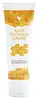
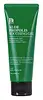
This calming moisturizer is formulated around Aloe Barbadensis Leaf Juice and Propolis Extract to calm redness and hydrate skin.
This calming moisturizer is formulated around Aloe Barbadensis Leaf Juice and Propolis Extract to calm redness and hydrate skin.


What's inside
What's inside
 Key Ingredients
Benefits
Concerns
No concerns
Ingredients Side-by-side
Aloe Barbadensis Leaf Juice
Skin Conditioning


Glyceryl Stearate
Emollient

Propylene Glycol
Humectant
Cetyl Alcohol
Emollient

PEG-100 Stearate
Surfactant
Lanolin
Emollient

Sorbitol
Humectant
Ethylhexyl Palmitate
Emollient
Ethylhexyl Stearate
Emollient
Diethylhexyl Adipate
EmollientAllantoin
Skin Conditioning
Propolis Extract
Skin Conditioning

Lanolin Alcohol
Emollient
Dimethicone
Emollient
Tocopherol
Antioxidant




Zea Mays Oil
Emulsifying

Chamomilla Recutita Flower Extract
Masking
Triethanolamine
BufferingAscorbic Acid
Antioxidant

Disodium EDTA
ChelatingDiazolidinyl Urea
Preservative
Methylparaben
Preservative

Propylparaben
Preservative
Parfum
Masking
Aloe Barbadensis Leaf Juice, Glyceryl Stearate, Propylene Glycol, Cetyl Alcohol, PEG-100 Stearate, Lanolin, Sorbitol, Ethylhexyl Palmitate, Ethylhexyl Stearate, Diethylhexyl Adipate, Allantoin, Propolis Extract, Lanolin Alcohol, Dimethicone, Tocopherol, Zea Mays Oil, Chamomilla Recutita Flower Extract, Triethanolamine, Ascorbic Acid, Disodium EDTA, Diazolidinyl Urea, Methylparaben, Propylparaben, Parfum
Aloe Barbadensis Leaf Juice 80%
Skin Conditioning
Propolis Extract
Skin Conditioning
Pentylene Glycol
Skin Conditioning
Butylene Glycol
Humectant
1,2-Hexanediol
Skin Conditioning
Glycerin
Humectant
Aloe Barbadensis Leaf Extract
Emollient
Betaine
Humectant
Water
Skin ConditioningPortulaca Oleracea Extract
Skin Conditioning
Allantoin
Skin Conditioning
Houttuynia Cordata Extract
Skin Conditioning
Psidium Guajava Fruit Extract
AstringentSchisandra Chinensis Fruit Extract
Skin Conditioning
Perilla Ocymoides Leaf Extract
TonicAcorus Calamus Root Extract
Perfuming
Citrus Paradisi Fruit Extract
Skin ConditioningCaprylyl Glycol
Emollient
Acrylates/C10-30 Alkyl Acrylate Crosspolymer
Emulsion StabilisingArginine
Masking
Aloe Barbadensis Leaf Juice 80%, Propolis Extract, Pentylene Glycol, Butylene Glycol, 1,2-Hexanediol, Glycerin, Aloe Barbadensis Leaf Extract, Betaine, Water, Portulaca Oleracea Extract, Allantoin, Houttuynia Cordata Extract, Psidium Guajava Fruit Extract, Schisandra Chinensis Fruit Extract, Perilla Ocymoides Leaf Extract, Acorus Calamus Root Extract, Citrus Paradisi Fruit Extract, Caprylyl Glycol, Acrylates/C10-30 Alkyl Acrylate Crosspolymer, Arginine
Reviews
Ingredients Explained
These ingredients are found in both products.
Ingredients higher up in an ingredient list are typically present in a larger amount.
Allantoin is a soothing ingredient known for its protective and moisturizing properties; it's basically a quiet workhorse ingredient you can find in a huge range of cosmetics.
Though it can be derived from the comfrey plant, allantoin is produced synthetically for cosmetic products to ensure purity.
Research shows it can encourage your skin cells to turn over and renew by stimulating keratinocyte and fibroblast proliferation.
It also has mild keratolytic properties to help loosen and shed dead skin cells without being harsh.
Studies also suggest allantoin can help calm inflammation by dialing down some of the chemical signals your skin sends out when it is irritated.
This ingredient is typically used in the 0.1-0.5% range, and the FDA recognizes it as a skin protectant in OTC products up to 2%.
Overall, allantoin is a wonderful addition to most routines; it is stable across a wide pH range (~4-8), works well with other ingredients, and is considered non-sensitizing/non-irritating.
Fun fact: Allantoin is naturally occurring in comfrey root, beets, chamomile, and wheat sprouts. Our bodies even produce it as a byproduct of uric acid metabolism.
Learn more about AllantoinAloe Barbadensis Leaf Juice is the filtered, stabilized liquid pressed from the inner gel of the aloe vera leaf.
In cosmetics, it shows up as either soothing active or a water-replacement base. It is roughly 98-99% water and the last 1-2% is an interesting mix of polysaccharides, amino acids, vitamins, minerals, and enzymes.
The polysaccharides do most of the work: they bind water at the skin surface for a light, non-greasy hydration boost. And one of the polysaccharides, glycomannan, is linked to fibroblast stimulation + collagen synthesis. This is also why aloe has such a long track record in wound and burn healing.
This ingredient is also calming with anti-inflammatory and mild antimicrobial activity, making it a great pick for sensitive, irritated, or post-sun skin.
Realistic expectations matter though; the solid evidence is mostly limited to hydration, soothing, and wound support. Deeper claims about anti-aging or sun protection are not well backed, and science reviews note it does not prevent radiation-induced skin injury.
Because it plays well with almost everything, it's commonly used as a base alongside other actives like niacinamide or vitamin C.
Typical usage concentrations range from 0.5% (where hydration benefits already show up) all the way to 90%+ (where it replaces water as the main base).
The safety for this ingredient is well-establish as well. Overall, this is a great supporting ingredient for those who want a boost in hydration.
Learn more about Aloe Barbadensis Leaf JuicePropolis Extract is a natural ingredient derived from propolis (also known as bee glue). Bees make propolis by mixing their saliva and beeswax with resins collected from tree buds and plants.
This ingredient is packed with bioactive compounds like flavonoids, phenolic acids, and amino acids that give it antioxidant and anti-inflammatory properties.
Research shows it can help:
It also pairs nicely with hydrating ingredients like niacinamide and ceramides.
Just so you know, Propolis Extract is recognized as a contact allergen. In patch tests done in the EU, roughly 1-6% of patients react to it. Be sure to steer clear of this ingredient if you have a known allergy to bee products.
Since it is an animal-derived product, this ingredient is not considered vegan. For vegan alternatives, check out Galactomyces Ferment Filtrate or Centella Asiatica Extract.
Learn more about Propolis Extract

