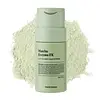
This mild powder cleanser is mild enough to cleanse without leaving skin feeling tight or stripped.
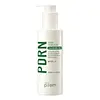
This mild cream makeup remover is made to dissolve makeup, sunscreen, and daily buildup.

What's inside
What's inside
 Key Ingredients
Benefits
Concerns
No concerns
Ingredients Side-by-side
Zea Mays Starch
Absorbent
CI 77004
Cosmetic ColorantSodium Cocoyl Isethionate
Cleansing
Sodium Lauroyl Glutamate
SurfactantCamellia Sinensis Leaf Powder
Diglycerin
Humectant
Allantoin
Skin Conditioning



Maltodextrin
Absorbent
Papain
Skin Conditioning
Propanediol
Solvent
Water
Skin ConditioningCapryloyl Salicylic Acid
Exfoliating



Citric Acid
Buffering


Epigallocatechin Gallate
Antioxidant
Gluconolactone
Chelating

Lavandula Stoechas Extract
Masking1,2-Hexanediol
Skin Conditioning
Pyrus Malus Fruit Extract
Skin Conditioning
Castanea Crenata Shell Extract
Skin ConditioningDiospyros Kaki Leaf Extract
Skin Protecting
Hydroxycinnamic Acid
Skin ConditioningRutin
Antioxidant
Zea Mays Starch, CI 77004, Sodium Cocoyl Isethionate, Sodium Lauroyl Glutamate, Camellia Sinensis Leaf Powder, Diglycerin, Allantoin, Maltodextrin, Papain, Propanediol, Water, Capryloyl Salicylic Acid, Citric Acid, Epigallocatechin Gallate, Gluconolactone, Lavandula Stoechas Extract, 1,2-Hexanediol, Pyrus Malus Fruit Extract, Castanea Crenata Shell Extract, Diospyros Kaki Leaf Extract, Hydroxycinnamic Acid, Rutin
Water
Skin ConditioningGlycerin
Humectant
Cetyl Ethylhexanoate
EmollientIsopropyl Myristate
Emollient




Ethylhexyl Palmitate
Emollient
Caprylic/Capric Triglyceride
Masking
Arachidyl Alcohol
Emollient
Lauryl Glucoside
CleansingManicouagan Clay
AbsorbentBehenyl Alcohol
Emollient
1,2-Hexanediol
Skin Conditioning
Hydroxyacetophenone
Antioxidant
Hydroxyethyl Acrylate/Sodium Acryloyldimethyl Taurate Copolymer
Emulsion StabilisingArachidyl Glucoside
EmulsifyingSqualane
Emollient
Acrylates/C10-30 Alkyl Acrylate Crosspolymer
Emulsion StabilisingArginine
Masking
Camellia Japonica Seed Oil
Emollient
Propanediol
Solvent
Polysorbate 60
Emulsifying
Xanthan Gum
EmulsifyingCitric Acid
Buffering
Disodium EDTA
ChelatingSorbitan Isostearate
Emulsifying
Sodium DNA
Skin Conditioning
Oryza Sativa Bran Oil
Emollient
Gluconolactone
Chelating
Capryloyl Salicylic Acid
Exfoliating
Sodium Phytate
ChelatingLactic Acid
Buffering
Butylene Glycol
Humectant
Milk Protein Extract
Water, Glycerin, Cetyl Ethylhexanoate, Isopropyl Myristate, Ethylhexyl Palmitate, Caprylic/Capric Triglyceride, Arachidyl Alcohol, Lauryl Glucoside, Manicouagan Clay, Behenyl Alcohol, 1,2-Hexanediol, Hydroxyacetophenone, Hydroxyethyl Acrylate/Sodium Acryloyldimethyl Taurate Copolymer, Arachidyl Glucoside, Squalane, Acrylates/C10-30 Alkyl Acrylate Crosspolymer, Arginine, Camellia Japonica Seed Oil, Propanediol, Polysorbate 60, Xanthan Gum, Citric Acid, Disodium EDTA, Sorbitan Isostearate, Sodium DNA, Oryza Sativa Bran Oil, Gluconolactone, Capryloyl Salicylic Acid, Sodium Phytate, Lactic Acid, Butylene Glycol, Milk Protein Extract
Ingredients Explained
These ingredients are found in both products.
Ingredients higher up in an ingredient list are typically present in a larger amount.
1,2-Hexanediol is a synthetic liquid and another multi-functional powerhouse.
It is a:
- Humectant, drawing moisture into the skin
- Emollient, helping to soften skin
- Solvent, dispersing and stabilizing formulas
- Preservative booster, enhancing the antimicrobial activity of other preservatives
Capryloyl Salicylic Acid comes from salicylic acid, the famous acne-fighting BHA.
It usually goes by a more common name of LHA, or lipohydroxy acid.
Like salicylic acid, this ingredient is a chemical exfoliant that can help break down the oil in your pores and reduce inflammation.
Though studies for LHA do show it to be less effective than salicylic acid. To be fair, salicylic acid is the reigning monarch of acne treatments.
However, a study from 2009 found LHA to be comparable to BPO, making it a good alternative for people with sensitive skin. Another study of 14 patients found a significant decrease in comedones after using LHA.
Another pro of LHA? It is less irritating than salicylic acid due to its large molecule size.
Large molecules cannot penetrate skin as well, so they are gentler on the skin. LHA is much less penetrative than salicylic acid.
An in-vitro study (not done on a living organism) found only 6% of LHA penetrated past the statum corneum compared to 58% of salicylic acid. An in-vivo (done on a living organism) analysis revealed ~17% of LHA was still present in the top layer of skin after 4 days, versus ~9% of salicylic acid.
Interestingly, a study from 2008 found LHA comparable to another famous acid, glycolic acid.
This study found about 10% of LHA is as effective as 20-50% of glycolic acid in treating hyperpigmentation and fine-lines.
Hydroxy acids have been found to stimulate skin protein, lipids, and thermal thickening. This may have anti-aging benefits.
Learn more about Capryloyl Salicylic AcidCitric Acid is an alpha hydroxy acid (AHA) naturally found in citrus fruits like oranges, lemons, and limes.
Like other AHAs, citric acid can exfoliate skin by breaking down the bonds that hold dead skin cells together. This helps reveal smoother and brighter skin underneath.
However, this exfoliating effect only happens at high concentrations (20%) which can be hard to find in cosmetic products.
Due to this, citric acid is usually included in small amounts as a pH adjuster. This helps keep products slightly more acidic and compatible with skin's natural pH.
In skincare formulas, citric acid can:
While it can provide some skin benefits, research shows lactic acid and glycolic acid are generally more effective and less irritating exfoliants.
Most citric acid used in skincare today is made by fermenting sugars (usually from molasses). This synthetic version is identical to the natural citrus form but easier to stabilize and use in formulations.
Rosacea skin has a lower threshold for acids generally, with 62.5% of rosacea subjects in one study reacting to lactic acid in a sting test. This is why we mark citric acid as a potential rosacea trigger.
However, this ingredient shows up as a pH adjuster or chelator at roughly 0.1-1% in many products. These low levels are unlikely to be an issue for rosacea skin and becomes a potential trigger at exfoliating concentrations (20%). Because everybody's skin is unique, we recommend a patch test if you are unsure.
Learn more about Citric AcidGluconolactone is a PHA. PHAs are a great gentle alternative to traditional AHAs.
When applied, Gluconolactone has the same affect on skin as AHAs such as lactic acid. It helps dissolve the dead skin cells in the top layer of your skin. This improves texture and brightens the skin.
PHAs are more gentle than AHAs due to their larger structure. They do not penetrate as deeply as AHAs and take a longer time to dissolve dead cells. Studies show PHAs do not cause as much irritation.
Gluconolactone has some interesting properties:
In a 2004 study, Gluconolactone was found to prevent UV damage in mouse skin cells and has not been found to increase sun sensitivity. However, we still recommend wearing SPF daily.
This ingredient is is an created by reacting gluconic acid with an alcohol.
Learn more about GluconolactonePropanediol is an all-star ingredient. It softens, hydrates, and smooths the skin.
It’s often used to:
Propanediol is not likely to cause sensitivity and considered safe to use. It is derived from corn or petroleum with a clear color and no scent.
Learn more about PropanediolWater. It's the most common cosmetic ingredient of all. You'll usually see it at the top of ingredient lists, meaning that it makes up the largest part of the product.
So why is it so popular? Water most often acts as a solvent - this means that it helps dissolve other ingredients into the formulation.
You'll also recognize water as that liquid we all need to stay alive. If you see this, drink a glass of water. Remember to stay hydrated!
Learn more about Water


