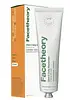
This mild cream cleanser is mild enough to cleanse without leaving skin feeling tight or stripped.
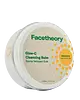
This oil-based makeup remover is made to dissolve makeup, sunscreen, and daily buildup.

What's inside
What's inside
 Key Ingredients
Benefits
Concerns
Ingredients Side-by-side
Water
Skin ConditioningCetyl Alcohol
Emollient



Prunus Armeniaca Kernel Oil
Masking



Glycerin
Humectant

Glyceryl Stearate
Emollient
Prunus Amygdalus Dulcis Oil
Skin Conditioning
Stearic Acid
Cleansing
Persea Gratissima Oil
Skin Conditioning
Sodium Ascorbyl Phosphate
Antioxidant






Citrus Nobilis Peel Oil
Masking
Sodium Anisate
AntimicrobialSodium Levulinate
Skin ConditioningGlyceryl Caprylate
EmollientLactic Acid
Buffering



Cetyl Hydroxyethylcellulose
Emulsion StabilisingSodium Phytate
ChelatingXanthan Gum
EmulsifyingLimonene
Perfuming

Linalool
Perfuming
Water, Cetyl Alcohol, Prunus Armeniaca Kernel Oil, Glycerin, Glyceryl Stearate, Prunus Amygdalus Dulcis Oil, Stearic Acid, Persea Gratissima Oil, Sodium Ascorbyl Phosphate, Citrus Nobilis Peel Oil, Sodium Anisate, Sodium Levulinate, Glyceryl Caprylate, Lactic Acid, Cetyl Hydroxyethylcellulose, Sodium Phytate, Xanthan Gum, Limonene, Linalool
Caprylic/Capric Triglyceride
Masking
Carthamus Tinctorius Seed Oil
Masking
Limnanthes Alba Seed Oil
Skin Conditioning
Mangifera Indica Seed Butter
Skin Conditioning
Prunus Amygdalus Dulcis Oil
Skin Conditioning
Euphorbia Cerifera Cera
Astringent
Di-PPG-2 Myreth-10 Adipate
Emollient
Hydrogenated Castor Oil
Emollient
Cetearyl Alcohol
Emollient
Potassium Cetyl Phosphate
EmulsifyingHydrogenated Palm Glycerides
Emollient
Prunus Armeniaca Kernel Oil
Masking
Sclerocarya Birrea Seed Oil
Humectant
Silica
Abrasive
Cetearyl Glucoside
Emulsifying
Glyceryl Heptanoate
EmollientPropanediol
Solvent
Ascorbyl Tetraisopalmitate
Antioxidant
Caprylhydroxamic Acid
ChelatingRosa Canina Fruit Oil
Emollient
Ubiquinone
Antioxidant
Triticum Vulgare Germ Oil
Emollient
Tocopherol
Antioxidant
Caprylic/Capric Triglyceride, Carthamus Tinctorius Seed Oil, Limnanthes Alba Seed Oil, Mangifera Indica Seed Butter, Prunus Amygdalus Dulcis Oil, Euphorbia Cerifera Cera, Di-PPG-2 Myreth-10 Adipate, Hydrogenated Castor Oil, Cetearyl Alcohol, Potassium Cetyl Phosphate, Hydrogenated Palm Glycerides, Prunus Armeniaca Kernel Oil, Sclerocarya Birrea Seed Oil, Silica, Cetearyl Glucoside, Glyceryl Heptanoate, Propanediol, Ascorbyl Tetraisopalmitate, Caprylhydroxamic Acid, Rosa Canina Fruit Oil, Ubiquinone, Triticum Vulgare Germ Oil, Tocopherol
Alternatives
Ingredients Explained
These ingredients are found in both products.
Ingredients higher up in an ingredient list are typically present in a larger amount.
This ingredient is also known as sweet almond oil. It is a lightweight, cold-pressed oil from the ripe seeds of the sweet almond tree.
Sweet almond oil is rich in skin-nourishing fatty acids such as oleic acid (55-86%) and linolenic acid (7-35%).
As an emollient, it softens and hydrates skin by forming a thin barrier that locks in moisture.
Clinical studies have found it to be non-irritating and non-sensitizing. The CIR Expert Panel has evaluated the available safety data and concluded it is safe for topical use.
Because of the oleic acid content, this ingredient may not be fungal acne safe.
This ingredient does have a comedogenic rating of 3, but this doesn't mean a formula with this ingredient will clog pores.
Human testing has proved that any finished product with a comedogenic ingredient won't automatically make you break out; it really comes down to concentration, formula, and your skin.
Learn more about Prunus Amygdalus Dulcis OilThis ingredient is also known as Apricot kernel oil, and it comes form the seed kernels of apricot (a member of the Rosaceae family like almond, peach, cherry, and plum).
It's mostly made up of triglycerides: oleic acid (43.9-78.5%), linoleic acid (9.7-37%), and palmitic acid (4.9-7.3%). These numbers vary depending on the variety of Prunus and the ripeness of the fruit; oleic tends to go up at late harvest while linoleic goes down.
Vitamin E is also prevalent in this ingredient and the most dominant form is gamma-tocopherol.
These compounds give the ingredient emollient and skin conditioning properties that keep the skin soft and hydrated.
There's no regulatory maximum cap for this ingredient so you'll see it across a huge concentration range (100% as a single ingredient facial oil).
On allergies: refined cosmetic-grade oils carry almost no protein. The CIR notes that people allergic to a food generally do not react to the refined oil because the allergenic protein does not partition into it (though cold-pressed grades retain more).
However, it's worth patch testing if you have a stone fruit or tree nut allergy because manufacturer processes for removing the protein can vary.
Malassezia lacks the cytosolic fatty acid synthase gene so the yeast cannot make palmitate on its own and instead uses lipases and phospholipases to release fatty acids from host lipids. Since apricot kernel oil is entirely C16-18 (right in the usable range of C11-24), this ingredient may not be fungal acne safe.
Old rabbit-ear testing did assign this ingredient a comedogenic rating of 1-2. The original author has stated that testing on rabbit ears is not an ideal model for human comedogenicity.
Human testing has proved that any finished product with a comedogenic ingredient won't automatically make you break out; it really comes down to concentration, formula, and your skin.
Just know high-oleic oils tend to feel heavier on oily skin so it's worth patch testing.
Learn more about Prunus Armeniaca Kernel Oil

