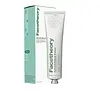
This mild cream makeup remover is made to dissolve makeup, sunscreen, and daily buildup.
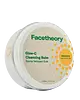
This oil-based makeup remover is made to dissolve makeup, sunscreen, and daily buildup.

What's inside
What's inside
 Key Ingredients
Benefits
Concerns
Ingredients Side-by-side
Water
Skin ConditioningPropanediol
Solvent

Squalane
Emollient
Carthamus Tinctorius Seed Oil
Masking


Dalea Spinosa Seed Oil
Masking
Glyceryl Stearate
Emollient
Tocopherol
Antioxidant




Quillaja Saponaria Bark Extract
CleansingGlycerin
Humectant
Sodium Anisate
AntimicrobialSodium Levulinate
Skin ConditioningSphingomonas Ferment Extract
Skin Conditioning
Lactic Acid
Buffering





Sodium Phytate
ChelatingSodium Hyaluronate
Humectant
Xanthan Gum
EmulsifyingCitric Acid
Buffering
Potassium Sorbate
Preservative
Water, Propanediol, Squalane, Carthamus Tinctorius Seed Oil, Dalea Spinosa Seed Oil, Glyceryl Stearate, Tocopherol, Quillaja Saponaria Bark Extract, Glycerin, Sodium Anisate, Sodium Levulinate, Sphingomonas Ferment Extract, Lactic Acid, Sodium Phytate, Sodium Hyaluronate, Xanthan Gum, Citric Acid, Potassium Sorbate
Caprylic/Capric Triglyceride
Masking
Carthamus Tinctorius Seed Oil
Masking
Limnanthes Alba Seed Oil
Skin Conditioning
Mangifera Indica Seed Butter
Skin Conditioning
Prunus Amygdalus Dulcis Oil
Skin Conditioning
Euphorbia Cerifera Cera
Astringent
Di-PPG-2 Myreth-10 Adipate
Emollient
Hydrogenated Castor Oil
Emollient
Cetearyl Alcohol
Emollient

Potassium Cetyl Phosphate
EmulsifyingHydrogenated Palm Glycerides
Emollient
Prunus Armeniaca Kernel Oil
Masking
Sclerocarya Birrea Seed Oil
Humectant
Silica
Abrasive
Cetearyl Glucoside
Emulsifying
Glyceryl Heptanoate
EmollientPropanediol
Solvent
Ascorbyl Tetraisopalmitate
Antioxidant
Caprylhydroxamic Acid
ChelatingRosa Canina Fruit Oil
Emollient
Ubiquinone
Antioxidant
Triticum Vulgare Germ Oil
Emollient
Tocopherol
Antioxidant
Caprylic/Capric Triglyceride, Carthamus Tinctorius Seed Oil, Limnanthes Alba Seed Oil, Mangifera Indica Seed Butter, Prunus Amygdalus Dulcis Oil, Euphorbia Cerifera Cera, Di-PPG-2 Myreth-10 Adipate, Hydrogenated Castor Oil, Cetearyl Alcohol, Potassium Cetyl Phosphate, Hydrogenated Palm Glycerides, Prunus Armeniaca Kernel Oil, Sclerocarya Birrea Seed Oil, Silica, Cetearyl Glucoside, Glyceryl Heptanoate, Propanediol, Ascorbyl Tetraisopalmitate, Caprylhydroxamic Acid, Rosa Canina Fruit Oil, Ubiquinone, Triticum Vulgare Germ Oil, Tocopherol
Alternatives
Ingredients Explained
These ingredients are found in both products.
Ingredients higher up in an ingredient list are typically present in a larger amount.
Carthamus Tinctorius Seed Oil comes from the seeds of the safflower plant. It is a skin conditioning agent that helps soften skin and keep it hydrated.
This seed oil has an unusual fatty acid profile: it is one of the highest linoleic acid plant oils out there (~55-77%). It also has low amounts of oleic acid, and this high-linoleic/low-oleic ratio gets people excited.
Linoleic acid helps maintain skin barrier integrity and is a building block for the ceramides in your stratum corneum. Notably, people with acne tend to have lower linoleic acid in their skin lipids as well (and this gets worse as acne gets more severe).
Overall, it's a lightweight, fast-absorbing oil that has a long safety track record. Lab testing has found it to be non-irritating for skin or eyes.
The Malassezia yeast can metabolize the fatty acids in this oil to grow; therefore this ingredient may not be fungal acne safe.
Learn more about Carthamus Tinctorius Seed OilPropanediol is an all-star ingredient. It softens, hydrates, and smooths the skin.
It’s often used to:
Propanediol is not likely to cause sensitivity and considered safe to use. It is derived from corn or petroleum with a clear color and no scent.
Learn more about PropanediolTocopherol is a fat-soluble antioxidant known as Vitamin E.
You'll find this ingredient in the vast majority of skincare (for good reason). It works to neutralize free radicals, or unstable molecules generated by UV exposure, pollution, and other environmental stressors, before they can cause oxidative damage to your skin cells.
Topically applied tocopherol has been shown to protect against UV damage by ramping up the skin's own natural defense enzymes.
It also acts as a skin conditioning agent; some studies show that regular topical use can improve the skin's water-binding capacity over 2-4 weeks.
This ingredient is especially loved for being a team player. When combined with Vitamin C, the photoprotective effect of both ingredients roughly doubles and the combo also helps reduce UV-induced DNA damage.
This ingredient has some brightening potential but it's more of a prevention ingredient than spot-fader. Cell studies show it can slow down melanin production but it's worth noting that it's not the most powerful brightener out there.
In formulations, it also serves as a stabilizer that helps protect other oxidation-prone ingredients from degrading.
Concentrations usually range from 0.1-1% in most leave-on products.
Learn more about Tocopherol


