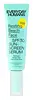
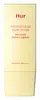
Everyday Humans Resting Beach Face SPF 30 Sunscreen Serum Versus House of Hur Weightless Sun Fluid SPF 50+ PA++++
This chemical sunscreen covers most of the UV range, lighter on the deep UVA that drives aging.
This chemical sunscreen covers the full UV range and blocks ~98% of UVB at SPF 50.


What's inside
What's inside
 Key Ingredients
Benefits
Concerns
Ingredients Side-by-side
Homosalate 8%
Skin Conditioning

Ethylhexyl Salicylate 4%
UV Absorber
Butyl Methoxydibenzoylmethane 3%
UV Absorber
Octocrylene 2%
UV Absorber

Water
Skin ConditioningCyclomethicone
Emollient
Isostearyl Neopentanoate
Emollient
Glycerin
Humectant


Ceteareth-20
Cleansing
Cetearyl Alcohol
Emollient




Sodium Hyaluronate Crosspolymer
Humectant
Spinacia Oleracea Leaf Extract
Skin ConditioningCamellia Sinensis Leaf Extract
Antimicrobial






Alteromonas Ferment Extract
Skin Conditioning
Caprylyl Glycol
Emollient
Xanthan Gum
EmulsifyingPEG-40 Stearate
Emulsifying
Triacontanyl Pvp
HumectantSilica
Abrasive
Ammonium Acryloyldimethyltaurate/Vp Copolymer
Butylene Glycol
Humectant
Triethanolamine
BufferingCetyl Dimethicone
Emollient
Caprylhydroxamic Acid
ChelatingDisodium EDTA
ChelatingParfum
Masking

Tocopheryl Acetate
Antioxidant
Helianthus Annuus Seed Oil
Emollient
Homosalate 8%, Ethylhexyl Salicylate 4%, Butyl Methoxydibenzoylmethane 3%, Octocrylene 2%, Water, Cyclomethicone, Isostearyl Neopentanoate, Glycerin, Ceteareth-20, Cetearyl Alcohol, Sodium Hyaluronate Crosspolymer, Spinacia Oleracea Leaf Extract, Camellia Sinensis Leaf Extract, Alteromonas Ferment Extract, Caprylyl Glycol, Xanthan Gum, PEG-40 Stearate, Triacontanyl Pvp, Silica, Ammonium Acryloyldimethyltaurate/Vp Copolymer, Butylene Glycol, Triethanolamine, Cetyl Dimethicone, Caprylhydroxamic Acid, Disodium EDTA, Parfum, Tocopheryl Acetate, Helianthus Annuus Seed Oil
Citrus Junos Fruit Extract
Skin ConditioningWater
Skin ConditioningHoney Extract
Humectant
Dibutyl Adipate
EmollientEthylhexyl Triazone
UV Absorber
Terephthalylidene Dicamphor Sulfonic Acid
UV Absorber
Silica
Abrasive
Butylene Glycol
Humectant
Methylpropanediol
SolventTromethamine
BufferingPolyglyceryl-3 Distearate
Emulsifying
1,2-Hexanediol
Skin Conditioning
Caprylyl Methicone
Skin Conditioning
Diethylamino Hydroxybenzoyl Hexyl Benzoate
UV Filter
Polysilicone-15
UV Filter
Ammonium Acryloyldimethyltaurate/Vp Copolymer
Potassium Cetyl Phosphate
EmulsifyingBis-Ethylhexyloxyphenol Methoxyphenyl Triazine
UV Absorber
Glyceryl Stearate
Emollient
Pentylene Glycol
Skin Conditioning
Polyacrylate Crosspolymer-6
Emulsion StabilisingHydroxyacetophenone
Antioxidant
Polyether-1
Glyceryl Stearate Citrate
Emollient
Ethylhexylglycerin
Skin ConditioningDisodium EDTA
ChelatingCitrus Junos Fruit Extract, Water, Honey Extract, Dibutyl Adipate, Ethylhexyl Triazone, Terephthalylidene Dicamphor Sulfonic Acid, Silica, Butylene Glycol, Methylpropanediol, Tromethamine, Polyglyceryl-3 Distearate, 1,2-Hexanediol, Caprylyl Methicone, Diethylamino Hydroxybenzoyl Hexyl Benzoate, Polysilicone-15, Ammonium Acryloyldimethyltaurate/Vp Copolymer, Potassium Cetyl Phosphate, Bis-Ethylhexyloxyphenol Methoxyphenyl Triazine, Glyceryl Stearate, Pentylene Glycol, Polyacrylate Crosspolymer-6, Hydroxyacetophenone, Polyether-1, Glyceryl Stearate Citrate, Ethylhexylglycerin, Disodium EDTA
Reviews
Ingredients Explained
These ingredients are found in both products.
Ingredients higher up in an ingredient list are typically present in a larger amount.
Ammonium Acryloyldimethyltaurate/Vp Copolymer is a synthetically created polymer. It's used as a film-forming agent and used to thicken the consistency of products.
Think of it as a supportive ingredient that helps your gel-creams feel silky, "cloud cream-like", and spread evenly without being greasy.
The Cosmetic Ingredient Review (CIR) Expert Panel evaluated it (along with 22 other acryloyldimethyltaurate polymers) and concluded it's:
Due to its large molecular size, it sits on the surface of skin rather than penetrating it.
Learn more about Ammonium Acryloyldimethyltaurate/Vp CopolymerButylene Glycol (or BG) is used within cosmetic products for a few different reasons:
Overall, Butylene Glycol is a safe and well-rounded ingredient that works well with other ingredients.
Though this ingredient works well with most skin types, some people with sensitive skin may experience a reaction such as allergic rashes, closed comedones, or itchiness.
Learn more about Butylene GlycolDisodium EDTA is a chelating agent. It grabs onto and deactivates metal ions that sneak into your products from water, packaging, or air.
This ingredient mainly works behind the scenes and helps with:
On top of that, this ingredient can counteract the effects of hard water by binding to the minerals in it.
One thing worth knowing is that Disodium EDTA has been shown to be a mild penetration enhancer. It can help other ingredients absorb into skin more effectively which can be a double-edged sword (great for actives, but can also make the active too strong if you have sensitive skin).
Clinical patch testing showed no significant skin irritation at typical use concentrations and minimal dermal absorption.
You'll most likely see this ingredient near the end of an ingredient list. It's typically found in concentrations less than 1%.
Learn more about Disodium EDTASilica, also known as silicon dioxide, is a naturally occurring mineral. It is used as a fine, spherical, and porous powder in cosmetics.
Though it has exfoliant properties, the function of silica varies depending on the product.
The unique structure of silica enhances the spreadability and adds smoothness, making it a great texture enhancer.
It is also used as an active carrier, emulsifier, and mattifier due to its ability to absorb excess oil.
In some products, tiny microneedles called spicules are made from silica or hydrolyzed sponge. When you rub them in, they lightly polish away dead skin layers and enhance the penetration of active ingredients.
Learn more about SilicaWater. It's the most common cosmetic ingredient of all. You'll usually see it at the top of ingredient lists, meaning that it makes up the largest part of the product.
So why is it so popular? Water most often acts as a solvent - this means that it helps dissolve other ingredients into the formulation.
You'll also recognize water as that liquid we all need to stay alive. If you see this, drink a glass of water. Remember to stay hydrated!
Learn more about Water

