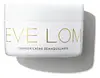
This oil-based cleanser is made to cleanse without leaving your skin tight or dry.
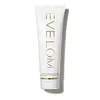
This mild cream cleanser is made to cleanse without leaving your skin tight or dry.

What's inside
What's inside
 Key Ingredients
Benefits
Concerns
Ingredients Side-by-side
Paraffinum Liquidum
Emollient


PEG-30 Lanolin
Emulsifying

Cetearyl Alcohol
Emollient



Bis-Diglyceryl Polyacyladipate-2
Emollient
Aluminum Stearate
Cosmetic Colorant
Paraffinum Liquidum, PEG-30 Lanolin, Cetearyl Alcohol, Bis-Diglyceryl Polyacyladipate-2, Aluminum Stearate, Theobroma Cacao Seed Butter, PEG-75 Lanolin, Phenoxyethanol, Chamomilla Recutita Flower Oil, Eucalyptus Globulus Leaf Oil, Eugenia Caryophyllus Leaf Oil, Humulus Lupulus Oil, BHT, Eugenol, Limonene
Water
Skin ConditioningSodium Cocoyl Isethionate
Cleansing
Coco-Betaine
Cleansing
Orbignya Oleifera Seed Oil
Emollient
Glycerin
Humectant

Erythritol
Humectant
Cetearyl Alcohol
Emollient
Disodium Lauryl Sulfosuccinate
CleansingHydroxypropyl Starch Phosphate
Magnesium Aluminum Silicate
Absorbent
Lactobacillus/Pumpkin Ferment Extract
Skin ConditioningSodium Methyl Cocoyl Taurate
Cleansing
Phenoxyethanol
Preservative
Xylitylglucoside
Humectant
Anhydroxylitol
Humectant
Sodium PCA
Humectant
Xylitol
Humectant
Allantoin
Skin Conditioning
Lactic Acid
Buffering





Ethylhexylglycerin
Skin ConditioningLavandula Angustifolia Oil
Masking


Wheat Amino Acids
Skin ConditioningSodium Hyaluronate
Humectant
Lactobacillus Ferment
Skin Conditioning
Tetrasodium Glutamate Diacetate
ChelatingPanthenol
Skin Conditioning
Citrus Limon Peel Oil
Masking
Coriandrum Sativum Seed Oil
Emollient
Cymbopogon Nardus Oil
Masking
Mentha Piperita Oil
Masking
Citrus Aurantium Amara Peel Oil
Skin Conditioning
Hydroxyproline
Skin ConditioningLitsea Cubeba Fruit Oil
Masking
Mentha Piperita Leaf Extract
Skin ConditioningPelargonium Graveolens Flower Oil
Masking
Pogostemon Cablin Leaf Oil
Masking
Anthemis Nobilis Flower Oil
Masking
Boswellia Carterii Oil
Masking
Citric Acid
Buffering
Linalool
Perfuming
Limonene
Perfuming
Water, Sodium Cocoyl Isethionate, Coco-Betaine, Orbignya Oleifera Seed Oil, Glycerin, Erythritol, Cetearyl Alcohol, Disodium Lauryl Sulfosuccinate, Hydroxypropyl Starch Phosphate, Magnesium Aluminum Silicate, Lactobacillus/Pumpkin Ferment Extract, Sodium Methyl Cocoyl Taurate, Phenoxyethanol, Xylitylglucoside, Anhydroxylitol, Sodium PCA, Xylitol, Allantoin, Lactic Acid, Ethylhexylglycerin, Lavandula Angustifolia Oil, Wheat Amino Acids, Sodium Hyaluronate, Lactobacillus Ferment, Tetrasodium Glutamate Diacetate, Panthenol, Citrus Limon Peel Oil, Coriandrum Sativum Seed Oil, Cymbopogon Nardus Oil, Mentha Piperita Oil, Citrus Aurantium Amara Peel Oil, Hydroxyproline, Litsea Cubeba Fruit Oil, Mentha Piperita Leaf Extract, Pelargonium Graveolens Flower Oil, Pogostemon Cablin Leaf Oil, Anthemis Nobilis Flower Oil, Boswellia Carterii Oil, Citric Acid, Linalool, Limonene
Reviews
Ingredients Explained
These ingredients are found in both products.
Ingredients higher up in an ingredient list are typically present in a larger amount.
Cetearyl alcohol is a waxy mixture of two fatty alcohols: cetyl alcohol and stearyl alcohol. It is an emollient and emulsifier.
Despite having "alcohol" in its name, it has nothing to do with drying solvent alcohols; the FDA also allows "alcohol-free" products to contain fatty alcohols like this ingredient.
It plays several roles in a formula:
Typical use levels for this ingredient sit around 1-10% and the Cosmetic Ingredient Review Expert Panel has affirmed safety at concentrations up to 25% in leave-on products.
Multiple assessments have found it to be non-irritating and non-sensitizing to most people.
However, there have been some cases of allergic contact dermatitis in patients with chronically compromised skin barriers.
Cetearyl alcohol has a comedogenic rating of 2 and irritancy rating of 1. Both of these numbers come from the 1989 study that used rabbit ears; a "2" means mildly comedogenic and a "1" means low irritancy.
Here's the catch: rabbit skin is more sensitive than human skin and throws a lot of false positives. A 1996 reappraisal found that ingredients rated 1-2 in the rabbit ear tests are generally safe for humans.
Remember comedogenic ratings are unable to assess the entire formula of a product or how it will react on your skin. Just be sure to patch test if you are unsure about certain ingredients.
This ingredient is not fungal acne safe. Cetearyl alcohol is a fatty alcohol with chain lengths that fall within the range that Malassezia can metabolize.
A 2019 study has also observed Malassezia growth in the presence of this ingredient, confirming it to be not-fungal acne safe.
Learn more about Cetearyl AlcoholLimonene is the compound that gives citrus peel its smell.
In skincare, it shows up as a standalone fragrance ingredient or as a natural compound of citrus and other essential oils.
You'll typically see this ingredient used in very small amounts; anything above 0.001% in a leave-on product or 0.01% in a rinse-off has to be named on the label in the EU. The citrus oils that carry it sit around 0.5-1% in a finished formula.
Fresh limonene is a weak allergen; the real issue is that it slowly reacts with air and then breaks down from oxidation to create hydroperoxides (which are strong sensitizers). This is why suppliers are required to keep the peroxide value below 20 mmol.
Positive reactions in people being investigated for eczema vary:
It's worth skipping if you have a known fragrance allergy or a compromised barrier, but the risk is low for most people.
Older or long-opened products are also more likely to bother you than fresh ones due to oxidation.
Learn more about LimonenePhenoxyethanol is one of the most widely used preservatives in skincare (and for good reason!).
It has a large spectrum of antimicrobial activity and especially effective bacteria, yeast, and mold while only having a weak effect on your skin's natural microbiome.
On a cellular level, it disrupts the cell membranes of microbes by poking holes that make the cell leak. This shuts down the chemical reactions the microbe needs to make energy so it can no longer survive.
Another perk of this ingredient is that it stays functional across a wide pH range (3-10).
You'll often see it paired with boosters like Ethylhexylglycerin; one study showed that a 1:9 ratio of Ethylhexylglycerin to Phenoxyethanol damages bacterial membranes as effectively as doubling the Phenoxyethanol concentration on its own.
Typical use concentrations range from 0.3-1% depending on the formula, and this ingredient is capped at 1% int the EU.
Safety-wise, the fear mongering does not hold up to the evidence. The EU's Scientific Committee on Consumer Safety and FDA consider it safe as a preservative at up to 1%, including for children of all ages.
Adverse systemic effects only showed up in animal studies at exposures roughly 200x higher than what people get from cosmetics. And despite its very widespread use, this ingredient is a rare sensitizer and allergic reactions are uncommon.
Learn more about Phenoxyethanol

