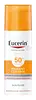
This chemical sunscreen covers the full UV range and blocks ~98% of UVB at SPF 50.
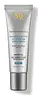
This mineral sunscreen covers the full UV range and blocks ~98% of UVB at SPF 50.


What's inside
What's inside
 Key Ingredients
Benefits
Concerns
Ingredients Side-by-side
Water
Skin ConditioningC12-15 Alkyl Benzoate
AntimicrobialAlcohol Denat.
Antimicrobial




Butyl Methoxydibenzoylmethane
UV Absorber
Ethylhexyl Triazone
UV Absorber
Butylene Glycol Dicaprylate/Dicaprate
EmollientBis-Ethylhexyloxyphenol Methoxyphenyl Triazine
UV Absorber
Dibutyl Adipate
EmollientGlyceryl Stearate Citrate
Emollient
Silica
Abrasive


Phenylbenzimidazole Sulfonic Acid
UV Absorber
Diethylamino Hydroxybenzoyl Hexyl Benzoate
UV Filter
Tapioca Starch
Silica Dimethyl Silylate
EmollientCetearyl Alcohol
Emollient



Behenyl Alcohol
Emollient
Isobutylamido Thiazolyl Resorcinol
Bleaching


Glycyrrhiza Inflata Root Extract
Skin Conditioning
Glycyrrhetinic Acid
Skin Conditioning
Tocopheryl Acetate
Antioxidant


Glycerin
Humectant

Copernicia Cerifera Cera
Emollient
Xanthan Gum
EmulsifyingCarrageenan
Hydroxypropyl Methylcellulose
Emulsion StabilisingSodium Hydroxide
BufferingTrisodium EDTA
ChelatingHydroxyacetophenone
Antioxidant
Phenoxyethanol
Preservative
Ethylhexylglycerin
Skin ConditioningParfum
Masking

Water, C12-15 Alkyl Benzoate, Alcohol Denat., Butyl Methoxydibenzoylmethane, Ethylhexyl Triazone, Butylene Glycol Dicaprylate/Dicaprate, Bis-Ethylhexyloxyphenol Methoxyphenyl Triazine, Dibutyl Adipate, Glyceryl Stearate Citrate, Silica, Phenylbenzimidazole Sulfonic Acid, Diethylamino Hydroxybenzoyl Hexyl Benzoate, Tapioca Starch, Silica Dimethyl Silylate, Cetearyl Alcohol, Behenyl Alcohol, Isobutylamido Thiazolyl Resorcinol, Glycyrrhiza Inflata Root Extract, Glycyrrhetinic Acid, Tocopheryl Acetate, Glycerin, Copernicia Cerifera Cera, Xanthan Gum, Carrageenan, Hydroxypropyl Methylcellulose, Sodium Hydroxide, Trisodium EDTA, Hydroxyacetophenone, Phenoxyethanol, Ethylhexylglycerin, Parfum
Titanium Dioxide
Cosmetic Colorant
Zinc Oxide
Cosmetic Colorant
Dimethicone
Emollient
C12-15 Alkyl Benzoate
AntimicrobialTalc
Abrasive
Dicaprylyl Ether
Emollient
Triethylhexanoin
MaskingIsohexadecane
EmollientDimethicone Crosspolymer
Emulsion Stabilising
Styrene/Acrylates Copolymer
Hydrogenated Jojoba Oil
Abrasive
Dimethicone/Vinyl Dimethicone Crosspolymer
Skin Conditioning
Aluminum Stearate
Cosmetic ColorantPEG-8 Laurate
Emulsifying
Triethoxycaprylylsilane
Silica Silylate
Emollient
2-Oleamido-1,3-Octadecanediol
Skin ConditioningAlumina
Abrasive
Aluminum Hydroxide
EmollientIron Oxides
Disodium Stearoyl Glutamate
CleansingPolyhydroxystearic Acid
Emulsifying
Titanium Dioxide, Zinc Oxide, Dimethicone, C12-15 Alkyl Benzoate, Talc, Dicaprylyl Ether, Triethylhexanoin, Isohexadecane, Dimethicone Crosspolymer, Styrene/Acrylates Copolymer, Hydrogenated Jojoba Oil, Dimethicone/Vinyl Dimethicone Crosspolymer, Aluminum Stearate, PEG-8 Laurate, Triethoxycaprylylsilane, Silica Silylate, 2-Oleamido-1,3-Octadecanediol, Alumina, Aluminum Hydroxide, Iron Oxides, Disodium Stearoyl Glutamate, Polyhydroxystearic Acid
Reviews
Ingredients Explained
These ingredients are found in both products.
Ingredients higher up in an ingredient list are typically present in a larger amount.
C12-15 Alkyl Benzoate is a lightweight emollient made by combinig benzoic acid with fatty alcohols that are 12-15 carbons long.
In cosmetics, it plays several roles:
The Cosmetic Review Expert Panel has concluded the alkyl benzoate group to be safe as used in cosmetics; it wasn't found to be a skin irritant and unlikely to be absorbed due to its low water solubility.
This report recorded almost 1000 reported uses with concentrations up to 59% in leave-on products but your cosmetics will typically use 0.5-15% depending on the product.
It's often called a "SPF booster": this is because it keeps UV filters properly dissolved and evenly distributed to support a sunscreen's performance. It doesn't actually raise SPF on its own.
Overall, this ingredient is well tolerated.
This ingredient is fungal acne safe because it is an ester of benzoic acid.
Think of this ingredient as two parts stuck together: an oily part and an acid part. Malassezia only gets a meal when it can snip off a fatty acid to eat. With C12-15 Alkyl Benzoate, the acid part is benzoic acid, which isn't a fatty acid and which the yeast can't use as food.
Benzoic acid is actually used as a preservative to stop yeast from growing.
The oily part is a blend of C12-15 fatty alcohols but fatty alcohols in this size range can support only a little Malassezia growth (mostly for one species of Malassezia as well).
In the ingredient, those alcohols stay locked inside the molecule. The yeast can only reach them by snipping the benzoate bond, and that type of bond is harder for it to cut than a normal fatty bond.
So not much gets released. And whatever does get snipped comes packaged with benzoic acid, which discourages yeast growth.
Learn more about C12-15 Alkyl Benzoate

