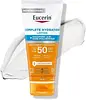
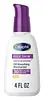
Eucerin Complete Hydration Lotion SPF 50 Face & Body Versus Cetaphil Dermacontrol Oil Absorbing Moisturizer SPF 30 - Sensitive & Oily Skin
This chemical sunscreen covers burning UVB and near UVA but not the deep UVA that drives aging.
This oil-control day moisturizer is formulated around Allantoin and Aluminum Starch Octenylsuccinate to balance excess oil and calm redness.


What's inside
What's inside
 Key Ingredients
Benefits
Concerns
Ingredients Side-by-side
Homosalate
Skin Conditioning

Octocrylene
UV Absorber

Ethylhexyl Salicylate
UV Absorber
Water
Skin ConditioningC12-15 Alkyl Benzoate
AntimicrobialNeopentyl Glycol Diheptanoate
EmollientStyrene/Acrylates Copolymer
Butylene Glycol
Humectant

Diethylhexyl Syringylidenemalonate
Skin Protecting
Vp/Eicosene Copolymer
Sodium Hyaluronate
Humectant


Glycyrrhiza Inflata Root Extract
Skin Conditioning
Glycyrrhetinic Acid
Skin Conditioning
Tocopherol
Antioxidant



Aloe Barbadensis Leaf Juice
Skin Conditioning
1,2-Hexanediol
Skin Conditioning
Hydroxyacetophenone
Antioxidant
Acrylates/C10-30 Alkyl Acrylate Crosspolymer
Emulsion StabilisingPotassium Hydroxide
BufferingDisodium EDTA
ChelatingSodium Ascorbyl Phosphate
Antioxidant



Homosalate, Octocrylene, Ethylhexyl Salicylate, Water, C12-15 Alkyl Benzoate, Neopentyl Glycol Diheptanoate, Styrene/Acrylates Copolymer, Butylene Glycol, Diethylhexyl Syringylidenemalonate, Vp/Eicosene Copolymer, Sodium Hyaluronate, Glycyrrhiza Inflata Root Extract, Glycyrrhetinic Acid, Tocopherol, Aloe Barbadensis Leaf Juice, 1,2-Hexanediol, Hydroxyacetophenone, Acrylates/C10-30 Alkyl Acrylate Crosspolymer, Potassium Hydroxide, Disodium EDTA, Sodium Ascorbyl Phosphate
Butyl Methoxydibenzoylmethane 3%
UV Absorber
Ethylhexyl Salicylate 5%
UV Absorber
Octocrylene 7%
UV Absorber
Allantoin
Skin Conditioning
Aluminum Starch Octenylsuccinate
Absorbent
Caprylyl Glycol
Emollient
Carbomer
Emulsion StabilisingCeramide NP
Skin Conditioning
Diisopropyl Sebacate
EmollientDimethicone
Emollient
Dimethiconol
Emollient
Disodium EDTA
ChelatingGlycerin
Humectant
Glycyrrhetinic Acid
Skin Conditioning
Isopropyl Lauroyl Sarcosinate
Skin ConditioningPanthenol
Skin Conditioning
Pentylene Glycol
Skin Conditioning
Phenoxyethanol
Preservative
Polymethyl Methacrylate
Polysorbate 61
Emulsifying

Potassium Sorbate
Preservative
Silica
Abrasive
Sodium Stearoyl Glutamate
CleansingSucrose Tristearate
Emollient
Tocopheryl Acetate
Antioxidant
Triethanolamine
BufferingWater
Skin ConditioningXanthan Gum
EmulsifyingZinc Gluconate
Skin Conditioning

Butyl Methoxydibenzoylmethane 3%, Ethylhexyl Salicylate 5%, Octocrylene 7%, Allantoin, Aluminum Starch Octenylsuccinate, Caprylyl Glycol, Carbomer, Ceramide NP, Diisopropyl Sebacate, Dimethicone, Dimethiconol, Disodium EDTA, Glycerin, Glycyrrhetinic Acid, Isopropyl Lauroyl Sarcosinate, Panthenol, Pentylene Glycol, Phenoxyethanol, Polymethyl Methacrylate, Polysorbate 61, Potassium Sorbate, Silica, Sodium Stearoyl Glutamate, Sucrose Tristearate, Tocopheryl Acetate, Triethanolamine, Water, Xanthan Gum, Zinc Gluconate
Reviews
Ingredients Explained
These ingredients are found in both products.
Ingredients higher up in an ingredient list are typically present in a larger amount.
Disodium EDTA is a chelating agent. It grabs onto and deactivates metal ions that sneak into your products from water, packaging, or air.
This ingredient mainly works behind the scenes and helps with:
On top of that, this ingredient can counteract the effects of hard water by binding to the minerals in it.
One thing worth knowing is that Disodium EDTA has been shown to be a mild penetration enhancer. It can help other ingredients absorb into skin more effectively which can be a double-edged sword (great for actives, but can also make the active too strong if you have sensitive skin).
Clinical patch testing showed no significant skin irritation at typical use concentrations and minimal dermal absorption.
You'll most likely see this ingredient near the end of an ingredient list. It's typically found in concentrations less than 1%.
Learn more about Disodium EDTAEthylhexyl Salicylate (also called Octisalate or Octyl Salicylate) is an oil-soluble organic UV filter that's been used in sunscreen since the 1950's.
It absorbs UVB light in the 280-320 nm range with a peak absorbance around 306 nm.
You'll often see it paired with other UV filters to boost overall SPF because octisalate is a fairly week filter on its own.
The reason you'll see it so often is because it can help solubilize and stabilize the trickier filters like oxybenzone and avobenzone.
Unlike these filters, octisalate has pretty good photostability and doesn't create skin-damaging free radicals when exposed to sunlight.
The fatty-alcohol part of the molecule also gives it a light, emollient feel so it doubles as a nice texture enhancer.
Usage levels vary around the world:
Safety-wise, this ingredient has a pretty reassuring track record. The EU's Scientific Committee on Consumer Products (SCCP) found very low skin penetration in human skin tests and negative results for irritation, phototoxicity, and photoallergy.
The real-world allergy risk is pretty low too; a 2012 European study of 1,031 people recorded only 2 reactions to it (a rate of 0.19%).
You might have seen scary headlines about sunscreen getting into your blood.
In 2019, the FDA found that several chemical filters can absorb through the skin and show up in the bloodstream at small but measurable levels.
Here's the important part: these tiny levels are just a cutoff the FDA uses to decide which ingredients need more testing and doesn't mean anything harmful was found.
The researchers were clear that the results are no reason to stop wearing sunscreen.
Learn more about Ethylhexyl SalicylateGlycyrrhetinic Acid is a calming ingredient that comes from licorice root.
How does it work?
Your skin makes its own natural anti-inflammatory hormone called cortisol and it also has an enzyme that switches cortisol off. Glycyrrhetinic Acid slows down that enzyme so your skin's natural calming power sticks around a little longer.
The research is pretty encouraging, especially for calming redness:
This is a good ingredient to look out for if your skin gets red, itchy, or irritated easily. It's also nice for anyone recovering from a harsh treatment or whose skin barrier is feeling a bit stressed.
It's typically found up to 2% because a little goes a long way.
Safety experts at the Cosmetic Ingredient Review found it safe as used in cosmetics. Even at 6%, three times the typical amount, it didn't cause irritation or allergic reactions in clinical testing.
Allergies to it are very rare with only a handful of reported cases over the years. But as with any new product, it's a good idea to patch test if you have reactive skin.
Fun fact: Glycyrrhetinic Acid is also used as a flavoring agent. Its sweet licorice roots mean it's sometimes used to help mask bitter tastes in medicine.
Learn more about Glycyrrhetinic AcidOctocrylene is an oil-soluble organic UV filter that mainly absorbs UVB and short wave UVA II light.
Its real superpower is teamwork: octocrylene is remarkably photostable and is most famous for stabilizing avobenzone (the workhorse UVA filter).
This ingredient is commonly used to enhance both UVB and UVA protection due to its unique property in stabilizing avobenzone. It also pulls double duty by boosting water resistance and giving formulas a smooth, spreadable feel.
The EU's Scientific Committee on Consumer Safety (SCCS) has deemed octocrylene to be safe as a UV-filter at concentrations up to 10% (capped at 9% in propellant sprays). The US also permits it up to 10%.
Two things worth knowing:
You'll usually see this ingredient used in concentrations between 2-10% (higher amounts when used as a stabilizer for avobenzone).
Learn more about OctocryleneWater. It's the most common cosmetic ingredient of all. You'll usually see it at the top of ingredient lists, meaning that it makes up the largest part of the product.
So why is it so popular? Water most often acts as a solvent - this means that it helps dissolve other ingredients into the formulation.
You'll also recognize water as that liquid we all need to stay alive. If you see this, drink a glass of water. Remember to stay hydrated!
Learn more about Water

