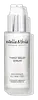
This hydrating serum is formulated around Aloe Barbadensis Leaf Juice and Gluconolactone to hydrate skin and strengthen the skin barrier.
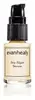
This calming serum is formulated around Aloe Barbadensis Leaf Juice and Centella Asiatica Extract to calm redness and hydrate skin.


What's inside
What's inside
 Key Ingredients
Benefits
Concerns
Ingredients Side-by-side
Water
Skin ConditioningAloe Barbadensis Leaf Juice
Skin Conditioning


Glycerin
Humectant

Butyrospermum Parkii Butter
Skin Conditioning




Simmondsia Chinensis Seed Oil
Emollient
Biosaccharide Gum-1
Humectant
Citrus Paradisi Fruit Extract
Skin ConditioningGluconolactone
Chelating






Sodium Hyaluronate
Humectant
Sodium Levulinate
Skin ConditioningGlycyrrhiza Glabra Root Extract
Bleaching
Glyceryl Caprylate
EmollientCetearyl Olivate
Sclerotium Gum
Emulsion StabilisingXanthan Gum
EmulsifyingSorbitan Olivate
Emulsifying
Sodium Anisate
AntimicrobialParfum
Masking


Limonene
Perfuming
Sodium Gluconate
ChelatingCitric Acid
Buffering
Sodium Benzoate
Masking
Potassium Sorbate
Preservative
Water, Aloe Barbadensis Leaf Juice, Glycerin, Butyrospermum Parkii Butter, Simmondsia Chinensis Seed Oil, Biosaccharide Gum-1, Citrus Paradisi Fruit Extract, Gluconolactone, Sodium Hyaluronate, Sodium Levulinate, Glycyrrhiza Glabra Root Extract, Glyceryl Caprylate, Cetearyl Olivate, Sclerotium Gum, Xanthan Gum, Sorbitan Olivate, Sodium Anisate, Parfum, Limonene, Sodium Gluconate, Citric Acid, Sodium Benzoate, Potassium Sorbate
Water
Skin ConditioningAloe Barbadensis Leaf Juice
Skin Conditioning
Lavandula Angustifolia Flower Water
Skin Conditioning
Sodium Hyaluronate
Humectant
Lactobacillus/Kelp Ferment Filtrate
Skin ConditioningCetearyl Olivate
Sorbitan Olivate
Emulsifying
Hydrolyzed Lupine Protein
Skin ConditioningCentella Asiatica Extract
Cleansing
Macrocystis Pyrifera Extract
Skin Conditioning
Laminaria Digitata Extract
Skin Protecting
Rubus Idaeus Leaf Extract
Skin ConditioningCamellia Sinensis Leaf Extract
Antimicrobial
Squalane
Emollient
Sodium Benzoate
Masking
Gluconolactone
Chelating
Rosmarinus Officinalis Leaf Extract
AntimicrobialXanthan Gum
EmulsifyingHippophae Rhamnoides Oil
Emollient
Algae Extract
Emollient
Pullulan
Ubiquinone
Antioxidant
Lavandula Angustifolia Oil
Masking
Melaleuca Alternifolia Leaf Oil
Antioxidant
Salvia Sclarea Oil
Masking
Rose Extract
Skin ConditioningPelargonium Graveolens Flower Oil
Masking
Water, Aloe Barbadensis Leaf Juice, Lavandula Angustifolia Flower Water, Sodium Hyaluronate, Lactobacillus/Kelp Ferment Filtrate, Cetearyl Olivate, Sorbitan Olivate, Hydrolyzed Lupine Protein, Centella Asiatica Extract, Macrocystis Pyrifera Extract, Laminaria Digitata Extract, Rubus Idaeus Leaf Extract, Camellia Sinensis Leaf Extract, Squalane, Sodium Benzoate, Gluconolactone, Rosmarinus Officinalis Leaf Extract, Xanthan Gum, Hippophae Rhamnoides Oil, Algae Extract, Pullulan, Ubiquinone, Lavandula Angustifolia Oil, Melaleuca Alternifolia Leaf Oil, Salvia Sclarea Oil, Rose Extract, Pelargonium Graveolens Flower Oil
Ingredients Explained
These ingredients are found in both products.
Ingredients higher up in an ingredient list are typically present in a larger amount.
Aloe Barbadensis Leaf Juice is the filtered, stabilized liquid pressed from the inner gel of the aloe vera leaf.
In cosmetics, it shows up as either soothing active or a water-replacement base. It is roughly 98-99% water and the last 1-2% is an interesting mix of polysaccharides, amino acids, vitamins, minerals, and enzymes.
The polysaccharides do most of the work: they bind water at the skin surface for a light, non-greasy hydration boost. And one of the polysaccharides, glycomannan, is linked to fibroblast stimulation + collagen synthesis. This is also why aloe has such a long track record in wound and burn healing.
This ingredient is also calming with anti-inflammatory and mild antimicrobial activity, making it a great pick for sensitive, irritated, or post-sun skin.
Realistic expectations matter though; the solid evidence is mostly limited to hydration, soothing, and wound support. Deeper claims about anti-aging or sun protection are not well backed, and science reviews note it does not prevent radiation-induced skin injury.
Because it plays well with almost everything, it's commonly used as a base alongside other actives like niacinamide or vitamin C.
Typical usage concentrations range from 0.5% (where hydration benefits already show up) all the way to 90%+ (where it replaces water as the main base).
The safety for this ingredient is well-establish as well. Overall, this is a great supporting ingredient for those who want a boost in hydration.
Learn more about Aloe Barbadensis Leaf JuiceCetearyl Olivate is a plant-derived emulsifier and texture enhancer. It helps keep the oil and water phases from separating so your formulas stay stable.
You'll likely see it combined with Sorbitan Olivate (together sold as the trade name Olivem 1000). This combination generates a liquid crystal structure that closely resemble the lipid organization of the stratum corneum.
These "skin-like" liquid crystals improve skin barrier integrity and promote the delivery of actives into the skin.
This ingredient is well-tolerated and has no significant sensitization data.
Because it is derived from the fatty acids in olive oil, this ingredient may not be fungal acne safe.
Learn more about Cetearyl OlivateGluconolactone is a PHA. PHAs are a great gentle alternative to traditional AHAs.
When applied, Gluconolactone has the same affect on skin as AHAs such as lactic acid. It helps dissolve the dead skin cells in the top layer of your skin. This improves texture and brightens the skin.
PHAs are more gentle than AHAs due to their larger structure. They do not penetrate as deeply as AHAs and take a longer time to dissolve dead cells. Studies show PHAs do not cause as much irritation.
Gluconolactone has some interesting properties:
In a 2004 study, Gluconolactone was found to prevent UV damage in mouse skin cells and has not been found to increase sun sensitivity. However, we still recommend wearing SPF daily.
This ingredient is is an created by reacting gluconic acid with an alcohol.
Learn more about GluconolactoneSodium Benzoate is a preservative. It's used in both cosmetic and food products to inhibit the growth of mold and bacteria. It is typically produced synthetically.
Both the US FDA and EU Health Committee have approved the use of sodium benzoate. In the US, levels of 0.1% (of the total product) are allowed.
Sodium benzoate works as a preservative by inhibiting the growth of bacteria inside of cells. It prevents the cell from fermenting a type of sugar using an enzyme called phosphofructokinase.
It is the salt of benzoic acid. Foods containing sodium benzoate include soda, salad dressings, condiments, fruit juices, wines, and snack foods.
Studies for using ascorbic acid and sodium benzoate in cosmetics are lacking, especially in skincare routines with multiple steps.
We always recommend speaking with a professional, such as a dermatologist, if you have any concerns.
Learn more about Sodium BenzoateSodium Hyaluronate is the salt form of hyaluronic acid. It is a long sugar chain that is naturally found in your skin, joints, and connective tissue that maintains hydration and elasticity.
In skincare, it works as a humectant. It pulls water from the environment and deeper layers of skin and binds it to the surface.
Interestingly, the size of the molecule affects its behavior:
Some clinical evidence links low molecular weight versions to improved wrinkle depth, elasticity, anti-inflammatory effects, and barrier repair.
Many serums use a blend of both weights so you can get surface hydration plus longer-lasting and deeper effects.
You'll typically see concentrations between 0.1-2% for this ingredient.
Learn more about Sodium HyaluronateSorbitan Olivate is created from the fatty acids in olive oil and sorbitol.
This ingredient is an oil in water emulsifier. It helps stabilize a product by preventing oils and waters from separating. Sorbitan Olivate also helps hydrate the skin.
This ingredient is also known as part of Olivem 1000, with Cetearyl Olivate being the other part.
According to a manufacturer, this ingredient helps preserve the natural microbiome of skin. Having a healthy microbiome helps keep our skin healthy and protects against harmful bacteria.
Please note, having a healthy microbiome is different from fungal acne; a healthy microbiome includes small amounts of yeast that normally live on your skin without causing problems.
Fungal acne happens when one type of yeast (Malassezia) grows out of control. This is usually because it's feeding on certain oils or fatty acids. Due to the olive oil base, this ingredient may not be fungal acne safe.
Learn more about Sorbitan OlivateWater. It's the most common cosmetic ingredient of all. You'll usually see it at the top of ingredient lists, meaning that it makes up the largest part of the product.
So why is it so popular? Water most often acts as a solvent - this means that it helps dissolve other ingredients into the formulation.
You'll also recognize water as that liquid we all need to stay alive. If you see this, drink a glass of water. Remember to stay hydrated!
Learn more about WaterXanthan gum is used as a stabilizer and thickener within cosmetic products. It helps give products a sticky, thick feeling - preventing them from being too runny.
On the technical side of things, xanthan gum is a polysaccharide - a combination consisting of multiple sugar molecules bonded together.
Xanthan gum is a pretty common and great ingredient. It is a natural, non-toxic, non-irritating ingredient that is also commonly used in food products.
Learn more about Xanthan Gum

