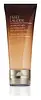
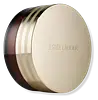
Estée Lauder Advanced Night Cleansing Gelée Cleanser With 15 Amino Acids Versus Estée Lauder Advanced Night Cleansing Balm Cleanser with Lipid-Rich Oil Infusion
This oil-based makeup remover is made to dissolve makeup, sunscreen, and daily buildup.

What's inside
What's inside
 Key Ingredients
Benefits
Concerns
Ingredients Side-by-side
Water
Skin ConditioningSodium Laureth Sulfate
Cleansing



Acrylates Copolymer
Lauramidopropyl Betaine
CleansingGlycerin
Humectant


Butylene Glycol
Humectant
Sucrose
Humectant
Lilium Tigrinum Extract
Skin ConditioningSodium Hyaluronate
Humectant


Arginine
Masking
Tyrosine
MaskingGlutamic Acid
Humectant
Aspartic Acid
Masking
Histidine
Humectant
Glycine
Buffering
Lysine
Skin ConditioningThreonine
Valine
MaskingProline
Skin Conditioning
Leucine
Skin ConditioningAlanine
Masking
Isoleucine
Skin ConditioningSerine
Masking
Phenylalanine
Masking
Caffeine
Skin Conditioning
Citrullus Lanatus Fruit Extract
Skin Conditioning
Lens Esculenta Fruit Extract
Skin ConditioningPyrus Malus Fruit Extract
Skin Conditioning
Anthemis Nobilis Flower Extract
Masking
Lavandula Angustifolia Oil
Masking


Laminaria Saccharina Extract
Skin Protecting
Sodium PCA
Humectant
Caprylyl Glycol
Emollient
Methyldihydrojasmonate
MaskingGlucose
Humectant
Sodium Lactate
Buffering
Glucose Oxidase
StabilisingLactoperoxidase
StabilisingDisodium Cocoamphodiacetate
CleansingSodium Chloride
MaskingXanthan Gum
EmulsifyingPotassium Hydroxide
BufferingPolysorbate 20
Emulsifying

Citric Acid
Buffering

Polyquaternium-7
Potassium Phosphate
BufferingLinalool
Perfuming
Disodium EDTA
Phenoxyethanol
Preservative
Sodium Benzoate
Masking
Potassium Sorbate
Preservative
CI 19140
Cosmetic ColorantCI 17200
Cosmetic ColorantWater, Sodium Laureth Sulfate, Acrylates Copolymer, Lauramidopropyl Betaine, Glycerin, Butylene Glycol, Sucrose, Lilium Tigrinum Extract, Sodium Hyaluronate, Arginine, Tyrosine, Glutamic Acid, Aspartic Acid, Histidine, Glycine, Lysine, Threonine, Valine, Proline, Leucine, Alanine, Isoleucine, Serine, Phenylalanine, Caffeine, Citrullus Lanatus Fruit Extract, Lens Esculenta Fruit Extract, Pyrus Malus Fruit Extract, Anthemis Nobilis Flower Extract, Lavandula Angustifolia Oil, Laminaria Saccharina Extract, Sodium PCA, Caprylyl Glycol, Methyldihydrojasmonate, Glucose, Sodium Lactate, Glucose Oxidase, Lactoperoxidase, Disodium Cocoamphodiacetate, Sodium Chloride, Xanthan Gum, Potassium Hydroxide, Polysorbate 20, Citric Acid, Polyquaternium-7, Potassium Phosphate, Linalool, Disodium EDTA, Phenoxyethanol, Sodium Benzoate, Potassium Sorbate, CI 19140, CI 17200
Ethylhexyl Palmitate
Emollient
Carthamus Tinctorius Seed Oil
Masking
Caprylic/Capric Triglyceride
Masking
Sorbeth-30 Tetraoleate
Emulsifying
Polyethylene
Abrasive
PEG-5 Glyceryl Triisostearate
Emollient
Water
Skin ConditioningSilybum Marianum Extract
Skin Conditioning
Polygonum Cuspidatum Root Extract
Antioxidant
Algae Extract
Emollient
Anthemis Nobilis Flower Extract
Masking
Lavandula Angustifolia Oil
Masking
Methyldihydrojasmonate
MaskingTocopherol
Antioxidant

BHT
Antioxidant
Linalool
Perfuming
Phenoxyethanol
Preservative
Ethylhexyl Palmitate, Carthamus Tinctorius Seed Oil, Caprylic/Capric Triglyceride, Sorbeth-30 Tetraoleate, Polyethylene, PEG-5 Glyceryl Triisostearate, Water, Silybum Marianum Extract, Polygonum Cuspidatum Root Extract, Algae Extract, Anthemis Nobilis Flower Extract, Lavandula Angustifolia Oil, Methyldihydrojasmonate, Tocopherol, BHT, Linalool, Phenoxyethanol
Reviews
Ingredients Explained
These ingredients are found in both products.
Ingredients higher up in an ingredient list are typically present in a larger amount.
Anthemis Nobilis Flower Extract is from the Roman Chamomile flower. It helps soothe the skin and contains antioxidants.
Lavandula Angustifolia Oil is more commonly known as lavender essential oil. It is considered a fragrancing ingredient.
Lavender imparts a famous scent. While the smell is lovely, this ingredient and may sensitize skin in topical products. This is because about 85% of the oil is made up of linalool and linalyl acetate.
When exposed to air, these two compounds become strong allergens. This ingredient exhibits cytotoxicity at low concentrations; amounts of 0.25% have been shown to damage skin cells.
A study from Japan found this ingredient caused lavender sensitivity after widespread exposure.
Lavender essential oil has some antimicrobial, antibacterial, and anti-inflammatory properties. However, the cons of this ingredient may outweight the pros.
More research is needed to confirm lavender essential oil's effects when used in aromatherapy.
Lavandula Angustifolia is known as the English Lavender and famous for creating purple fields in Provence, France.
Learn more about Lavandula Angustifolia OilLinalool is a fragrance and helps add scent to products. It's derived from common plants such as cinnamon, mint, citrus, and lavender.
Like Limonene, this ingredient oxidizes when exposed to air. Oxidized linalool can cause allergies and skin sensitivity.
This ingredient has a scent that is floral, spicy tropical, and citrus-like.
Learn more about LinaloolWe don't have a description for Methyldihydrojasmonate yet.
Phenoxyethanol is one of the most widely used preservatives in skincare (and for good reason!).
It has a large spectrum of antimicrobial activity and especially effective bacteria, yeast, and mold while only having a weak effect on your skin's natural microbiome.
On a cellular level, it disrupts the cell membranes of microbes by poking holes that make the cell leak. This shuts down the chemical reactions the microbe needs to make energy so it can no longer survive.
Another perk of this ingredient is that it stays functional across a wide pH range (3-10).
You'll often see it paired with boosters like Ethylhexylglycerin; one study showed that a 1:9 ratio of Ethylhexylglycerin to Phenoxyethanol damages bacterial membranes as effectively as doubling the Phenoxyethanol concentration on its own.
Typical use concentrations range from 0.3-1% depending on the formula, and this ingredient is capped at 1% int the EU.
Safety-wise, the fear mongering does not hold up to the evidence. The EU's Scientific Committee on Consumer Safety and FDA consider it safe as a preservative at up to 1%, including for children of all ages.
Adverse systemic effects only showed up in animal studies at exposures roughly 200x higher than what people get from cosmetics. And despite its very widespread use, this ingredient is a rare sensitizer and allergic reactions are uncommon.
Learn more about PhenoxyethanolWater. It's the most common cosmetic ingredient of all. You'll usually see it at the top of ingredient lists, meaning that it makes up the largest part of the product.
So why is it so popular? Water most often acts as a solvent - this means that it helps dissolve other ingredients into the formulation.
You'll also recognize water as that liquid we all need to stay alive. If you see this, drink a glass of water. Remember to stay hydrated!
Learn more about Water

