Epilynx Epilinkage Rejuvenation Cream Versus Biologique Recherche Crème Dermopurifiante Purifying Face Cream
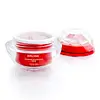
This anti-aging moisturizer is formulated around Centella Asiatica Extract and Resveratrol to soften the look of wrinkles and strengthen the skin barrier.
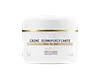
This oil-control moisturizer is formulated around Niacinamide to balance excess oil and clear breakouts.


What's inside
What's inside
 Key Ingredients
Benefits
Concerns
Ingredients Side-by-side
Water
Skin ConditioningPetrolatum 100%
Emollient



Equisetum Arvense Extract
AstringentCentella Asiatica Extract
Cleansing





Arctium Lappa Root Extract
Skin Conditioning
Glycerin
Humectant
Synthetic Ruby Powder
Abrasive
Propylene Glycol
Humectant

Helichrysum Italicum Extract
AntiseborrhoeicButyrospermum Parkii Butter
Skin Conditioning

Polygonum Cuspidatum Extract
Skin ConditioningAcetyl Glucosamine
Skin Conditioning

Resveratrol
Antioxidant
Butter
Skin Conditioning
Polysorbate 60
Emulsifying
Ceteareth-20
Cleansing
Niacinamide
Smoothing



Cetyl Alcohol
Emollient

Ceramide AP
Skin Conditioning
Salix Alba Bark Extract
Astringent
Vaccinium Macrocarpon Fruit Extract
AstringentWater, Petrolatum 100%, Equisetum Arvense Extract, Centella Asiatica Extract, Arctium Lappa Root Extract, Glycerin, Synthetic Ruby Powder, Propylene Glycol, Helichrysum Italicum Extract, Butyrospermum Parkii Butter, Polygonum Cuspidatum Extract, Acetyl Glucosamine, Resveratrol, Butter, Polysorbate 60, Ceteareth-20, Niacinamide, Cetyl Alcohol, Ceramide AP, Salix Alba Bark Extract, Vaccinium Macrocarpon Fruit Extract
Water
Skin ConditioningPropylene Glycol
Humectant
Glycerin
Humectant
Dicaprylyl Carbonate
EmollientButylene Glycol
Humectant
Sucrose Polystearate
EmollientC10-18 Triglycerides
Emollient
Cetyl Alcohol
Emollient
1,2-Hexanediol
Skin Conditioning
Niacinamide
Smoothing
Polyamide-5
Skin ConditioningArctium Lappa Root Extract
Skin Conditioning
Betula Alba Bark Extract
Masking
Enantia Chlorantha Bark Extract
Skin ConditioningEquisetum Arvense Extract
AstringentMimosa Tenuiflora Bark Extract
Skin ProtectingHedera Helix Leaf/Stem Extract
AntimicrobialFucus Vesiculosus Extract
Emollient
Centella Asiatica Extract
Cleansing
Spiraea Ulmaria Extract
AstringentArnica Montana Flower Extract
Masking
Rosa Canina Fruit Extract
Astringent
Achillea Millefolium Extract
CleansingAesculus Hippocastanum Seed Extract
Skin ConditioningLavandula Angustifolia Flower Extract
Cleansing
Thymus Vulgaris Flower/Leaf Extract
MaskingMyrtus Communis Extract
AstringentAllium Cepa Bulb Extract
Skin Conditioning
Commiphora Myrrha Resin Extract
Skin ConditioningOleanolic Acid
Skin ConditioningGlycine Soja Oil
Emollient
Yeast Extract
Skin ConditioningCitric Acid
Buffering
Tocopherol
Antioxidant
Sodium Stearoyl Glutamate
CleansingHydrogenated Polyisobutene
EmollientPolyacrylate Crosspolymer-6
Emulsion StabilisingT-Butyl Alcohol
Perfuming


Caprylyl Glycol
Emollient
Phenoxyethanol
Preservative
Sodium Benzoate
Masking
Potassium Sorbate
Preservative
Sorbic Acid
Preservative
Water, Propylene Glycol, Glycerin, Dicaprylyl Carbonate, Butylene Glycol, Sucrose Polystearate, C10-18 Triglycerides, Cetyl Alcohol, 1,2-Hexanediol, Niacinamide, Polyamide-5, Arctium Lappa Root Extract, Betula Alba Bark Extract, Enantia Chlorantha Bark Extract, Equisetum Arvense Extract, Mimosa Tenuiflora Bark Extract, Hedera Helix Leaf/Stem Extract, Fucus Vesiculosus Extract, Centella Asiatica Extract, Spiraea Ulmaria Extract, Arnica Montana Flower Extract, Rosa Canina Fruit Extract, Achillea Millefolium Extract, Aesculus Hippocastanum Seed Extract, Lavandula Angustifolia Flower Extract, Thymus Vulgaris Flower/Leaf Extract, Myrtus Communis Extract, Allium Cepa Bulb Extract, Commiphora Myrrha Resin Extract, Oleanolic Acid, Glycine Soja Oil, Yeast Extract, Citric Acid, Tocopherol, Sodium Stearoyl Glutamate, Hydrogenated Polyisobutene, Polyacrylate Crosspolymer-6, T-Butyl Alcohol, Caprylyl Glycol, Phenoxyethanol, Sodium Benzoate, Potassium Sorbate, Sorbic Acid
Ingredients Explained
These ingredients are found in both products.
Ingredients higher up in an ingredient list are typically present in a larger amount.
Arctium Lappa Root Extract is from the burdock plant. It is a botanical extract with skin conditioning and soothing properties.
Burdock root contains polyphenols that have anti-inflammatory and antioxidant activity. This can help explain why it's used to calm irritated or red skin.
Evidence in humans is limited to the non-root parts of this plant; topical arctium fruit extract showed improvements in dermal extracellular matrix metabolism and visible wrinkles.
Learn more about Arctium Lappa Root ExtractCentella Asiatica Extract (Centella) is one of the most researched botanical extracts in skincare with decades of studies backing its effects on inflammation, collagen, and the skin barrier.
That research keeps pointing back to the same four triterpenoid saponins: Asiaticoside, Madecassoside, Asiatic Acid, and Madecassic Acid.
These compounds allow centella to dial back inflammation, encourage the skin to build and hold onto collagen, support the barrier and hydration, and bring solid antioxidant activity to protect against signs of aging.
Centella also carries a nice supporting cast of Vitamin A, vitamin C, several B vitamins, and amino acids. Put it all together and you get an ingredient that soothes, hydrates, and protects, all at once.
Most of centella's magic comes from the four big compounds (Asiaticoside, Madecassoside, Asiatic Acid, and Madecassic Acid). These are the actives doing the heavy lifting in almost every centella study.
Here is the short version of what they do in the skin:
So it is not just soothing for the sake of soothing. Centella calms the skin AND helps it rebuild.
Just FYI, not all centella on an ingredient list is the same. What you are getting actually depends on the extract:
Fun fact on the ratios: the leaves tend to be richest in Madecassoside and Asiaticoside, and lower in the two acids. The exact amounts shift with where the plant is grown and how it is processed. This means purity really does vary brand to brand.
Centella is one of the most easygoing actives out there.
It layers well with basically everything: niacinamide, hyaluronic acid, peptides, and vitamin C, and also pairs nicely with stronger actives like retinoids and exfoliating acids where it can help take the edge off irritation.
On the safety side, centella and its triterpenes are classified as weak sensitizers, meaning allergic reactions are possible but uncommon.
Patch tests at 1% and 5% came back negative in test panels, and creams at typical use levels did not cause allergic reactions across large groups of people.
But as with any new active, a patch test is still a smart move for very reactive skin.
Centella is widely used because it is effective at low percentages. For context, human safety testing found no meaningful irritation from creams containing centella extract at everyday use levels (the tested amounts were well under 1%).
The irritancy threshold in animal testing was also above 30% (so real-world formulas sit far below anything concerning).
In collagen lab studies, higher concentrations drove more collagen synthesis, so serums built around centella tend to feature it more prominently.
Bottom line: you will find centella working nicely anywhere from a fraction of a percent up to hero-ingredient levels depending on whether it is a supporting soother or the main event.
Fun fact: Centella has been used as a medicine and in food for many centuries. As a medicine, it is used to treat burns, scratches, and wounds.
Learn more about Centella Asiatica ExtractCetyl Alcohol is a fatty alcohol. Fatty Alcohols are most often used as an emollient or to thicken a product.
Its main roles are:
Though it has "alcohol" in the name, it is not related to denatured alcohol or ethyl alcohol.
The FDA allows products labeled "alcohol-free" to have fatty alcohols.
This ingredient may not be fungal acne safe. It is a primary fatty alcohol with a chain length above 12 carbons. A study from 2019 show Malassezia can feed on fatty alcohols in this range, so it may trigger fungal acne in those prone to it.
Learn more about Cetyl AlcoholThis botanical extract is also known as horsetail extract. It mainly acts as an emollient, skin soother, and astringent.
A study from 2023 found compounds in Equisetum Arvense showed significant anti-inflammatory effects in irritated keratinocytes (the main cell in your outermost layer of skin).
Another study using a cream with horsetail and soybean extract found 80% of participants showed at least a 26% improvement in forehead wrinkles after 8 weeks.
Animal research has shown topical Equisetum Arvense stimulated skin and tissue growth in mice.
The research so far is encouraging, but still in its early days. But it's a lovely supporting ingredient and can be a welcome addition to any routine.
Learn more about Equisetum Arvense ExtractGlycerin (or glycerol) is a compound naturally found in your skin. It's a powerhouse humectant that pulls water into the stratum corneum.
Topically, glycerin does several things at once:
Your skin makes glycerin on its own (mostly from sebaceous oil breakdown) and shuttles it to your outermost layer of skin, or your epidermis, via aquaporin-3.
Aquaporin-3 is a transporter that is essential for normal skin hydration, elasticity, and repair. Interestingly, mice lacking in AQP3 have dry and less elastic skin that can be fully corrected with glycerin.
This ingredient is non-irritating, plays well with almost every ingredient, and works across all skin types. Typical use is anywhere between 3-10% but can go up to 79% in some leave-on products.
Just know very high concentrations (>40%) can feel tacky in low humidity.
Glycerin is the name for this ingredient in American English. British English uses Glycerol/Glycerine.
Learn more about GlycerinNiacinamide is a multitasking form of vitamin B3 that strengthens the skin barrier, reduces pores and dark spots, regulates oil, and improves signs of aging.
And the best part? It's gentle and well-tolerated by most skin types, including sensitive and reactive skin.
You might have heard of "niacin flush", or the reddening of skin that causes itchiness. Niacinamide has not been found to cause this.
In very rare cases, some individuals may not be able to tolerate niacinamide at all or experience an allergic reaction to it.
If you are experiencing flaking, irritation, and dryness with this ingredient, be sure to double check all your products as this ingredient can be found in all categories of skincare.
When incorporating niacinamide into your routine, look out for concentration amounts. Typically, 5% niacinamide provides benefits such as fading dark spots. However, if you have sensitive skin, it is better to begin with a smaller concentration.
When you apply niacinamide to your skin, your body converts it into nicotinamide adenine dinucleotide (NAD). NAD is an essential coenzyme that is already found in your cells as "fuel" and powers countless biological processes.
In your skin, NAD helps repair cell damage, produce new healthy cells, support collagen production, strengthen the skin barrier, and fight environmental stressors (like UV and pollution).
Our natural NAD levels start to decline with age, leading to slower skin repair, visible aging, and a weaker skin barrier. By providing your skin niacinamide, you're recharging your skin's NAD levels. This leads to stronger, healthier, and younger looking skin.
Another name for vitamin B3 is nicotinamide. This vitamin is water-soluble and our bodies don't store it. We obtain Vitamin B3 from either food or skincare. Meat, fish, wheat, yeast, and leafy greens contain vitamin B3.
The type of niacinamide used in skincare is synthetically created.
Learn more about NiacinamidePropylene Glycol is a synthetic, colorless, odorless liquid that has been a staple in cosmetics for decades. It is a skin conditioning agent, humectant, and solvent.
As a humectant, it draw water to the skin to reduce flaking and restore suppleness. It's also a solvent that helps dissolve other actives and keeps formulas stable across temperature changes.
The CIR Expert Panel has confirmed this ingredient to be nontoxic and clinical studies show no sensitization at cosmetic use concentrations.
True allergic reactions are quite rare: a 15-year retrospective study of 6,751 patients found only 0.31% had a positive reaction (and less than half were considered clinically relevant).
It seemed that when sensitization does occur, it's most commonly linked to topical medication (like corticosteroids) and not cosmetics. Allergic contact dermatitis also appears largely limited to individuals with underlying skin conditions.
Overall, propylene glycol is a well-studied ingredient that most people can tolerate without issue.
Learn more about Propylene GlycolWater. It's the most common cosmetic ingredient of all. You'll usually see it at the top of ingredient lists, meaning that it makes up the largest part of the product.
So why is it so popular? Water most often acts as a solvent - this means that it helps dissolve other ingredients into the formulation.
You'll also recognize water as that liquid we all need to stay alive. If you see this, drink a glass of water. Remember to stay hydrated!
Learn more about Water

