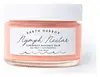
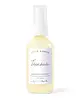
Earth Harbor Nymph Nectar Superfruit Radiance Balm Versus Earth Harbor Treasure Barrier Boost Glazing Milk
This moisturizer is formulated around Vaccinium Macrocarpon Seed Oil and Rubus Idaeus Seed Oil to hydrate skin.
This barrier-repair emulsion is formulated around Avena Sativa Kernel Extract and Laminaria Digitata Extract to strengthen the skin barrier and calm redness.

What's inside
What's inside
 Key Ingredients
Benefits
Concerns
Ingredients Side-by-side
Olea Europaea Fruit Oil
Masking






Mangifera Indica Seed
Abrasive
Butter
Skin Conditioning
Garcinia Indica Seed Butter
Skin Conditioning
Vaccinium Macrocarpon Seed Oil
Skin Conditioning
Rubus Idaeus Seed Oil
Emollient
Helianthus Annuus Seed Oil
Emollient
Papaver Somniferum Seed Oil
Emollient
Hippophae Rhamnoides Oil
Emollient

Maranta Arundinacea Root Powder
Skin ConditioningCornus Officinalis Fruit Extract
Skin ConditioningEclipta Prostrata Extract
Skin Conditioning
Melia Azadirachta Extract
Skin ConditioningMoringa Oleifera Seed Oil
Emollient
Curcuma Longa Root Extract
Antioxidant
Ocimum Sanctum Leaf Extract
Skin ConditioningOcimum Basilicum Extract
Antioxidant
Carica Papaya Fruit
Skin ConditioningVaccinium Corymbosum (Blueberry) Fruit Water
Skin ConditioningOlea Europaea Fruit Oil, Mangifera Indica Seed, Butter, Garcinia Indica Seed Butter, Vaccinium Macrocarpon Seed Oil, Rubus Idaeus Seed Oil, Helianthus Annuus Seed Oil, Papaver Somniferum Seed Oil, Hippophae Rhamnoides Oil, Maranta Arundinacea Root Powder, Cornus Officinalis Fruit Extract, Eclipta Prostrata Extract, Melia Azadirachta Extract, Moringa Oleifera Seed Oil, Curcuma Longa Root Extract, Ocimum Sanctum Leaf Extract, Ocimum Basilicum Extract, Carica Papaya Fruit, Vaccinium Corymbosum (Blueberry) Fruit Water
Water
Skin ConditioningPropanediol
Solvent
Isoamyl Laurate
Emollient
Coco-Caprylate/Caprate
Emollient
Avena Sativa Kernel Extract
Abrasive
Persea Gratissima Oil
Skin Conditioning
Calendula Officinalis Flower Extract
Masking
Sorbitan Olivate
Emulsifying
Sodium Stearoyl Glutamate
CleansingCurcuma Longa Root Extract
Antioxidant
Laminaria Digitata Extract
Skin Protecting
Moringa Oleifera Seed Oil
Emollient
Hippophae Rhamnoides Fruit Extract
Skin Conditioning
Tocopherol
Antioxidant



Lactobacillus Ferment
Skin Conditioning
Melia Azadirachta Flower Extract
Skin ConditioningMelia Azadirachta Leaf Extract
Skin ConditioningMelia Azadirachta Bark Extract
AntimicrobialOcimum Sanctum Leaf Extract
Skin ConditioningOcimum Basilicum Extract
Antioxidant
Cetyl Palmitate
Emollient
Sorbitan Palmitate
Emulsifying
Cetearyl Olivate
Phospholipids
Skin Conditioning
Xanthan Gum
EmulsifyingLecithin
Emollient
Pullulan
Sclerotium Gum
Emulsion StabilisingBenzyl Alcohol
Perfuming




Dehydroacetic Acid
Preservative
Citric Acid
Buffering
Water, Propanediol, Isoamyl Laurate, Coco-Caprylate/Caprate, Avena Sativa Kernel Extract, Persea Gratissima Oil, Calendula Officinalis Flower Extract, Sorbitan Olivate, Sodium Stearoyl Glutamate, Curcuma Longa Root Extract, Laminaria Digitata Extract, Moringa Oleifera Seed Oil, Hippophae Rhamnoides Fruit Extract, Tocopherol, Lactobacillus Ferment, Melia Azadirachta Flower Extract, Melia Azadirachta Leaf Extract, Melia Azadirachta Bark Extract, Ocimum Sanctum Leaf Extract, Ocimum Basilicum Extract, Cetyl Palmitate, Sorbitan Palmitate, Cetearyl Olivate, Phospholipids, Xanthan Gum, Lecithin, Pullulan, Sclerotium Gum, Benzyl Alcohol, Dehydroacetic Acid, Citric Acid
Reviews
Ingredients Explained
These ingredients are found in both products.
Ingredients higher up in an ingredient list are typically present in a larger amount.
Curcuma Longa Root Extract comes from the rhizome (underground stem) of the turmeric plant.
While the official EU Cosing Database lists this ingredient as a fragrance, it actually does more than give products a scent.
This ingredient contains a group of yellow pigments called curcuminoids (mostly curcumin) that give it genuine antioxidant and anti-inflammatory activity in skin.
Reviews of topical clinical studies have found turmeric/curcumin to be generally well-tolerated and useful across conditions like eczema and mild inflammation.
One thing working in its favor is that curcumin barely penetrates; in lab skin-permeation testing, the curcuminoids mostly stayed in the outermost layer of skin. This is a good thing because its soothing and antioxidant activity is a surface-level job anyway.
At this time, industry data shows there's no single "correct" cosmetic percentage. It's used across a wide range depending on the product and varies from tiny fractions of a percent up to a few percent.
Allergy-wise, curcumin is a documented (but uncommon) contact allergen. It can also cross react with related plants, so anyone with a turmeric/ginger/cinnamon allergy or reactive skin should patch test first.
Learn more about Curcuma Longa Root ExtractMoringa Oleifera Seed Oil is a lightweight oil from the seeds of the Moringa oleifera tree. In cosmetics, it's an emollient that forms a light film to slow water loss and soften skin.
Its fatty acid composition is dominated by oleic acid (70-78%), with smaller amounts of behenic, palmitic, and stearic acids (this profile is actually pretty similar to olive oil).
Notably, this ingredient is oxidatively stable for an oil and resists going rancid as fast as other oils.
A small, in vivo study on 32 participants found a cream with this ingredient increased skin hydration with no reported skin irritation. It also found the tocopherol content gave it some antioxidant activity as well.
Because this oil is so high in oleic acid, Malassezia can use it as a food source and this ingredient may not be fungal acne safe.
For everyone else, this ingredient is well-tolerated and nourishing with a good safety track record.
This ingredient shows up on a lot of "pore-clogging" lists but there's no real evidence behind that. It doesn't even have a comedogenic rating from an actual study; the numbers you'll find online come from blogs citing other blogs.
Ratings for other ingredients mostly come from a 1980s rabbit ear test. This test doesn't translate well to human skin or to real products because the ingredient sits at a much lower percentage.
Some people still find it breaks them out. So if that's you, definitely trust your skin.
Learn more about Moringa Oleifera Seed OilOcimum Basilicum Extract is an antioxidant.
Ocimum Sanctum Leaf Extract comes from the Holy Basil plant. Holy Basil is native to India.
Holy Basil is rich in antioxidants due to its high romarinic acid, ferulic acid, and rutin content. This gives it skin brightening and soothing properties.
While Holy Basil has many claims to help fight acne, more research is needed.
One thing to note is the presence of tannins; tannins are naturally found in nature. However, this compound may be skin-sensitizing.
Learn more about Ocimum Sanctum Leaf Extract


