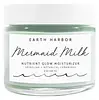
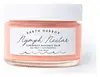
Earth Harbor Mermaid Milk Nutrient Glow Moisturizer Versus Earth Harbor Nymph Nectar Superfruit Radiance Balm
This calming moisturizer is formulated around Aloe Barbadensis Leaf Juice and Camellia Sinensis Extract to calm redness and hydrate skin.
This moisturizer is formulated around Vaccinium Macrocarpon Seed Oil and Rubus Idaeus Seed Oil to hydrate skin.

What's inside
What's inside
 Key Ingredients
Benefits
Concerns
Ingredients Side-by-side
Aloe Barbadensis Leaf Juice
Skin Conditioning


Cocos Nucifera Oil
Masking







Alcohol
Antimicrobial


Camellia Sinensis Extract
Antioxidant

Cetearyl Palmitate
EmollientSpirulina Platensis Extract
Skin ProtectingOlea Europaea Fruit Oil
Masking
Sodium Hyaluronate
Humectant


Melia Azadirachta Extract
Skin ConditioningFragaria Indica Extract
Skin ConditioningSolanum Mauritianum Extract
Skin ConditioningAloe Barbadensis Extract
Skin Conditioning
Ocimum Sanctum Leaf Extract
Skin ConditioningOcimum Basilicum Extract
Antioxidant
Curcuma Longa Root Extract
Antioxidant
Corallina Officinalis Extract
Skin Conditioning
Tanacetum Annuum Flower Oil
Masking
Carica Papaya Fruit
Skin ConditioningPassiflora Edulis Fruit
Skin ConditioningStearic Acid
Cleansing
Citric Acid
Buffering

Nonyl Alcohol
Perfuming
Aloe Barbadensis Leaf Juice, Cocos Nucifera Oil, Alcohol, Camellia Sinensis Extract, Cetearyl Palmitate, Spirulina Platensis Extract, Olea Europaea Fruit Oil, Sodium Hyaluronate, Melia Azadirachta Extract, Fragaria Indica Extract, Solanum Mauritianum Extract, Aloe Barbadensis Extract, Ocimum Sanctum Leaf Extract, Ocimum Basilicum Extract, Curcuma Longa Root Extract, Corallina Officinalis Extract, Tanacetum Annuum Flower Oil, Carica Papaya Fruit, Passiflora Edulis Fruit, Stearic Acid, Citric Acid, Nonyl Alcohol
Olea Europaea Fruit Oil
Masking
Mangifera Indica Seed
Abrasive
Butter
Skin Conditioning
Garcinia Indica Seed Butter
Skin Conditioning
Vaccinium Macrocarpon Seed Oil
Skin Conditioning
Rubus Idaeus Seed Oil
Emollient
Helianthus Annuus Seed Oil
Emollient
Papaver Somniferum Seed Oil
Emollient
Hippophae Rhamnoides Oil
Emollient
Maranta Arundinacea Root Powder
Skin ConditioningCornus Officinalis Fruit Extract
Skin ConditioningEclipta Prostrata Extract
Skin Conditioning
Melia Azadirachta Extract
Skin ConditioningMoringa Oleifera Seed Oil
Emollient
Curcuma Longa Root Extract
Antioxidant
Ocimum Sanctum Leaf Extract
Skin ConditioningOcimum Basilicum Extract
Antioxidant
Carica Papaya Fruit
Skin ConditioningVaccinium Corymbosum (Blueberry) Fruit Water
Skin ConditioningOlea Europaea Fruit Oil, Mangifera Indica Seed, Butter, Garcinia Indica Seed Butter, Vaccinium Macrocarpon Seed Oil, Rubus Idaeus Seed Oil, Helianthus Annuus Seed Oil, Papaver Somniferum Seed Oil, Hippophae Rhamnoides Oil, Maranta Arundinacea Root Powder, Cornus Officinalis Fruit Extract, Eclipta Prostrata Extract, Melia Azadirachta Extract, Moringa Oleifera Seed Oil, Curcuma Longa Root Extract, Ocimum Sanctum Leaf Extract, Ocimum Basilicum Extract, Carica Papaya Fruit, Vaccinium Corymbosum (Blueberry) Fruit Water
Reviews
Ingredients Explained
These ingredients are found in both products.
Ingredients higher up in an ingredient list are typically present in a larger amount.
Carica Papaya Fruit Extract comes from the papaya fruit. Papayas were first domesticated in Mexico and Central America.
This fruit extract contains papain and chymopapain, two enzymes with exfoliating and anti-inflammatory properties. One study shows papain may help in scar healing. Papaya is also a rich source of antioxidants and Vitamin A.
Curcuma Longa Root Extract comes from the rhizome (underground stem) of the turmeric plant.
While the official EU Cosing Database lists this ingredient as a fragrance, it actually does more than give products a scent.
This ingredient contains a group of yellow pigments called curcuminoids (mostly curcumin) that give it genuine antioxidant and anti-inflammatory activity in skin.
Reviews of topical clinical studies have found turmeric/curcumin to be generally well-tolerated and useful across conditions like eczema and mild inflammation.
One thing working in its favor is that curcumin barely penetrates; in lab skin-permeation testing, the curcuminoids mostly stayed in the outermost layer of skin. This is a good thing because its soothing and antioxidant activity is a surface-level job anyway.
At this time, industry data shows there's no single "correct" cosmetic percentage. It's used across a wide range depending on the product and varies from tiny fractions of a percent up to a few percent.
Allergy-wise, curcumin is a documented (but uncommon) contact allergen. It can also cross react with related plants, so anyone with a turmeric/ginger/cinnamon allergy or reactive skin should patch test first.
Learn more about Curcuma Longa Root ExtractWe don't have a description for Melia Azadirachta Extract yet.
Ocimum Basilicum Extract is an antioxidant.
Ocimum Sanctum Leaf Extract comes from the Holy Basil plant. Holy Basil is native to India.
Holy Basil is rich in antioxidants due to its high romarinic acid, ferulic acid, and rutin content. This gives it skin brightening and soothing properties.
While Holy Basil has many claims to help fight acne, more research is needed.
One thing to note is the presence of tannins; tannins are naturally found in nature. However, this compound may be skin-sensitizing.
Learn more about Ocimum Sanctum Leaf ExtractThis ingredient is also known as olive oil. It has been used in skincare for centuries and science largely backs up its reputation as a nourishing emollient.
The main components of olive oil are oleic acid (55-83%), linoleic acid (3.5-20%), and palmitic acid (7-20%). Oleic acid promotes skin regeneration and helps regulate inflammatory responses.
Squalene is also naturally present in olive oil and exhibits moisturizing and antioxidant properties.
The polyphenols in olive oil also show anti-aging promise; one clinical study found a measurable improvement in skin appearance after 30 days of topical serum use.
Just be aware that applying olive oil directly to skin can weaken the barrier and cause redness. One study with volunteers found even people without sensitive skin experienced a significant reduction in stratum corneum integrity and induced mild erythema.
It's best to use this ingredient as part of a carefully crafted formula (instead of putting it on skin directly from the bottle).
Because it has a 0-2 on the comedogenic scale, it is low risk for acne-prone skin. Just remember the overall formulation of a product matters more than a few ingredients with comedogenic ratings.
This ingredient may not be fungal acne safe because of the oleic and palmitic acid content. These fall within the C11-24 fatty acid range that the Malassezia yeast can metabolize to grow.
Overall, olive oil is a well-studied and nourishing skincare ingredient.
Learn more about Olea Europaea Fruit Oil

