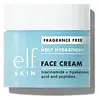
This anti-aging moisturizer is formulated around Niacinamide and Squalane to soften the look of wrinkles and hydrate skin.
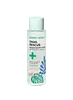
This calming toner is formulated around Snail Secretion Filtrate and Centella Asiatica Extract to calm redness and strengthen the skin barrier.


What's inside
What's inside
 Key Ingredients
Benefits
Concerns
No concerns
Ingredients Side-by-side
Water
Skin ConditioningIsohexadecane
EmollientStearyl Heptanoate
Emollient


Glycerin
Humectant


Butylene Glycol
Humectant
Isopropyl Isostearate
Emollient

Niacinamide
Smoothing









Cetearyl Olivate
Trehalose
Humectant
Squalane
Emollient
Dimethicone
Emollient
Stearic Acid
Cleansing
Aluminum Starch Octenylsuccinate
Absorbent
Polymethylsilsesquioxane
Silica
Abrasive
Sodium Hyaluronate
Humectant
Palmitoyl Tripeptide-1
Skin Conditioning
Palmitoyl Tetrapeptide-7
Skin Conditioning
Panthenol
Skin Conditioning
Sorbitan Olivate
Emulsifying
Cetearyl Alcohol
Emollient

Glyceryl Stearate
Emollient
PEG-100 Stearate
Surfactant
Polyethylene
Abrasive
Disodium EDTA
Polyacrylate-13
Polyisobutene
Polysorbate 20
Emulsifying
Caprylyl Glycol
Emollient
Phenoxyethanol
Preservative
Ethylhexylglycerin
Skin ConditioningCarbomer
Emulsion StabilisingWater, Isohexadecane, Stearyl Heptanoate, Glycerin, Butylene Glycol, Isopropyl Isostearate, Niacinamide, Cetearyl Olivate, Trehalose, Squalane, Dimethicone, Stearic Acid, Aluminum Starch Octenylsuccinate, Polymethylsilsesquioxane, Silica, Sodium Hyaluronate, Palmitoyl Tripeptide-1, Palmitoyl Tetrapeptide-7, Panthenol, Sorbitan Olivate, Cetearyl Alcohol, Glyceryl Stearate, PEG-100 Stearate, Polyethylene, Disodium EDTA, Polyacrylate-13, Polyisobutene, Polysorbate 20, Caprylyl Glycol, Phenoxyethanol, Ethylhexylglycerin, Carbomer




Reviews
Ingredients Explained
These ingredients are found in both products.
Ingredients higher up in an ingredient list are typically present in a larger amount.
Butylene Glycol (or BG) is used within cosmetic products for a few different reasons:
Overall, Butylene Glycol is a safe and well-rounded ingredient that works well with other ingredients.
Though this ingredient works well with most skin types, some people with sensitive skin may experience a reaction such as allergic rashes, closed comedones, or itchiness.
Learn more about Butylene GlycolEthylhexylglycerin is created from glycerin. It is a multitasker ingredient that:
The CIR Expert Panel found minimal skin absorption or sensitization of any kind in a safety assessment. Though this ingredient is considered well-tolerated, a small number of cases of allergic dermatitis have been published since 2002. Just be sure to patch test if you are unsure.
Industry-reported use ranges from 8% in rinse-off products and 2% in leave-on formulations.
Learn more about EthylhexylglycerinSodium Hyaluronate is the salt form of hyaluronic acid. It is a long sugar chain that is naturally found in your skin, joints, and connective tissue that maintains hydration and elasticity.
In skincare, it works as a humectant. It pulls water from the environment and deeper layers of skin and binds it to the surface.
Interestingly, the size of the molecule affects its behavior:
Some clinical evidence links low molecular weight versions to improved wrinkle depth, elasticity, anti-inflammatory effects, and barrier repair.
Many serums use a blend of both weights so you can get surface hydration plus longer-lasting and deeper effects.
You'll typically see concentrations between 0.1-2% for this ingredient.
Learn more about Sodium Hyaluronate

