
What's inside
What's inside
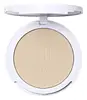 Key Ingredients
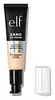
No key ingredients
Benefits
Concerns
Ingredients Side-by-side
Synthetic Fluorphlogopite
Nylon-12


Boron Nitride
Absorbent
Zinc Stearate
Cosmetic ColorantZinc Palmitate
Isoamyl Laurate
Emollient

Triethoxycaprylylsilane

Dimethicone
Emollient
Pentaerythrityl Adipate/Caprate/Caprylate/Heptanoate
EmollientAluminum Hydroxide
EmollientPhenoxyethanol
Preservative
Copernicia Cerifera Wax
Phenyl Trimethicone
Skin Conditioning
Caprylyl Glycol
Emollient
CI 77891
Cosmetic ColorantIron Oxides
Synthetic Fluorphlogopite, Nylon-12, Boron Nitride, Zinc Stearate, Zinc Palmitate, Isoamyl Laurate, Triethoxycaprylylsilane, Dimethicone, Pentaerythrityl Adipate/Caprate/Caprylate/Heptanoate, Aluminum Hydroxide, Phenoxyethanol, Copernicia Cerifera Wax, Phenyl Trimethicone, Caprylyl Glycol, CI 77891, Iron Oxides
Water
Skin ConditioningDimethicone
Emollient
Cyclopentasiloxane
Emollient
Butylene Glycol
Humectant

Phenyl Trimethicone
Skin Conditioning
Cetyl PEG/PPG-10/1 Dimethicone
Emulsifying
Butylene Glycol Dicaprylate/Dicaprate
EmollientButyloctyl Salicylate
Skin Conditioning
Polyglyceryl-4 Isostearate
Emulsifying
Methyl Methacrylate Crosspolymer
Cyclohexasiloxane
Emollient
Acrylates/Polytrimethylsiloxymethacrylate Copolymer
Skin ConditioningHexyl Laurate
Emollient
Magnesium Sulfate
Phenoxyethanol
Preservative
Triethoxycaprylylsilane
Disteardimonium Hectorite
StabilisingHydrated Silica
Abrasive
Aluminum Hydroxide
EmollientPropylene Carbonate
SolventDimethicone/Methicone Copolymer
Caprylyl Glycol
Emollient
Ethylhexylglycerin
Skin ConditioningDisodium EDTA
Tocopheryl Acetate
Antioxidant


Sodium Hyaluronate
Humectant


Niacinamide
Smoothing





Panthenol
Skin Conditioning
Ascorbyl Palmitate
Antioxidant
Soluble Collagen
Humectant
Canola Oil
Emollient



Glycerin
Humectant
Daucus Carota Sativa Seed Oil
Emollient
Carbomer
Emulsion StabilisingDaucus Carota Sativa Root Extract
Skin Conditioning
Helianthus Annuus Seed Oil
Emollient
Beta-Carotene
Skin ConditioningPolysorbate 20
Emulsifying
Palmitoyl Tripeptide-1
Skin Conditioning
Palmitoyl Tetrapeptide-7
Skin Conditioning
1,2-Hexanediol
Skin Conditioning
CI 77891
Cosmetic ColorantCI 77492
Cosmetic ColorantCI 77491
Cosmetic ColorantCI 77499
Cosmetic ColorantWater, Dimethicone, Cyclopentasiloxane, Butylene Glycol, Phenyl Trimethicone, Cetyl PEG/PPG-10/1 Dimethicone, Butylene Glycol Dicaprylate/Dicaprate, Butyloctyl Salicylate, Polyglyceryl-4 Isostearate, Methyl Methacrylate Crosspolymer, Cyclohexasiloxane, Acrylates/Polytrimethylsiloxymethacrylate Copolymer, Hexyl Laurate, Magnesium Sulfate, Phenoxyethanol, Triethoxycaprylylsilane, Disteardimonium Hectorite, Hydrated Silica, Aluminum Hydroxide, Propylene Carbonate, Dimethicone/Methicone Copolymer, Caprylyl Glycol, Ethylhexylglycerin, Disodium EDTA, Tocopheryl Acetate, Sodium Hyaluronate, Niacinamide, Panthenol, Ascorbyl Palmitate, Soluble Collagen, Canola Oil, Glycerin, Daucus Carota Sativa Seed Oil, Carbomer, Daucus Carota Sativa Root Extract, Helianthus Annuus Seed Oil, Beta-Carotene, Polysorbate 20, Palmitoyl Tripeptide-1, Palmitoyl Tetrapeptide-7, 1,2-Hexanediol, CI 77891, CI 77492, CI 77491, CI 77499
Ingredients Explained
These ingredients are found in both products.
Ingredients higher up in an ingredient list are typically present in a larger amount.
Aluminum Hydroxide is a form of aluminum. It can be naturally found in nature as the mineral gibbsite. In cosmetics, Aluminum Hydroxide is used as a colorant, pH adjuster, and absorbent.
As a colorant, Aluminum Hydroxide may add opacity, or reduce the transparency. Aluminum hydroxide is contains both basic and acidic properties.
According to manufacturers, this ingredient is an emollient and humectant. This means it helps hydrate the skin.
In medicine, this ingredient is used to help relieve heartburn and help heal ulcers.
There is currently no credible scientific evidence linking aluminum hydroxide in cosmetics to increased cancer risk.
Major health organizations allow the use of aluminum hydroxide in personal care products and have not flagged it as a carcinogenic risk at typical usage levels.
Learn more about Aluminum HydroxideCaprylyl Glycol is a humectant, skin conditioner, emollient, and preservative booster derived from either caprylic acid or synthetically created.
Typical use levels vary from 0.3-1% as a preservative booster and go up to 2% to condition skin.
Because it is not a free-fatty acid, this ingredient is fungal acne safe (there's nothing for Malassezia to feed on).
Learn more about Caprylyl GlycolCi 77891 is a white pigment from Titanium dioxide. It is naturally found in minerals such as rutile and ilmenite.
It's main function is to add a white color to cosmetics. It can also be mixed with other colors to create different shades.
Ci 77891 is commonly found in sunscreens due to its ability to block UV rays.
Learn more about CI 77891Dimethicone is a type of synthetic silicone created from natural materials such as quartz. It is also known as polydimethylsiloxane.
What it does:
Dimethicone comes in different viscosities:
Depending on the viscosity, dimethicone has different properties.
Ingredients lists don't always show which type is used, so we recommend reaching out to the brand if you have questions about the viscosity.
This ingredient is unlikely to cause irritation because it does not get absorbed into skin. However, people with silicone allergies should be careful about using this ingredient.
Note: Dimethicone may contribute to pilling. This is because it is not oil or water soluble, so pilling may occur when layered with products. When mixed with heavy oils in a formula, the outcome is also quite greasy.
Learn more about DimethiconePhenoxyethanol is one of the most widely used preservatives in skincare (and for good reason!).
It has a large spectrum of antimicrobial activity and especially effective bacteria, yeast, and mold while only having a weak effect on your skin's natural microbiome.
On a cellular level, it disrupts the cell membranes of microbes by poking holes that make the cell leak. This shuts down the chemical reactions the microbe needs to make energy so it can no longer survive.
Another perk of this ingredient is that it stays functional across a wide pH range (3-10).
You'll often see it paired with boosters like Ethylhexylglycerin; one study showed that a 1:9 ratio of Ethylhexylglycerin to Phenoxyethanol damages bacterial membranes as effectively as doubling the Phenoxyethanol concentration on its own.
Typical use concentrations range from 0.3-1% depending on the formula, and this ingredient is capped at 1% int the EU.
Safety-wise, the fear mongering does not hold up to the evidence. The EU's Scientific Committee on Consumer Safety and FDA consider it safe as a preservative at up to 1%, including for children of all ages.
Adverse systemic effects only showed up in animal studies at exposures roughly 200x higher than what people get from cosmetics. And despite its very widespread use, this ingredient is a rare sensitizer and allergic reactions are uncommon.
Learn more about PhenoxyethanolPhenyl Trimethicone is a silicon-based polymer. It is derived from silica.
Phenyl Trimethicone is used as an emollient and prevents products from foaming.
As an emollient, it helps trap moisture in the skin. It is considered an occlusive.
Learn more about Phenyl TrimethiconeTriethoxycaprylylsilane is a silicon-based surface modifier that makes sunscreens feel silky and makeup stay put.
Its main job is to coat mineral particles like titanium dioxide, zinc oxide, and color pigments in a thin, oily layer so they spread smoothly, don't clump, and stick to skin better.
This ingredient is typically used at low levels (up to 2.5% in eyeshadow and 1% in lipstick).
Learn more about Triethoxycaprylylsilane

