

What's inside
What's inside
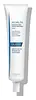 Key Ingredients
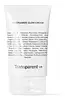
Benefits
Concerns
Ingredients Side-by-side
Water
Skin ConditioningCaprylic/Capric Triglyceride
Masking


Dimethicone
Emollient

Dicaprylyl Ether
Emollient
Cetearyl Alcohol
Emollient





Lactamide Mea
HumectantGlycolic Acid
Buffering









Guanidine Carbonate
BufferingGlyceryl Stearate
Emollient
Polymethyl Methacrylate
Ceteareth-33
CleansingBisabolol
Antioxidant


Ethanolamine
BufferingGlycyrrhetinic Acid
Skin Conditioning
Piroctone Olamine
Preservative
Serenoa Serrulata Fruit Extract
Skin Conditioning
Sodium Chloride
MaskingTetrasodium EDTA
Tocopherol
Antioxidant
Water, Caprylic/Capric Triglyceride, Dimethicone, Dicaprylyl Ether, Cetearyl Alcohol, Lactamide Mea, Glycolic Acid, Guanidine Carbonate, Glyceryl Stearate, Polymethyl Methacrylate, Ceteareth-33, Bisabolol, Ethanolamine, Glycyrrhetinic Acid, Piroctone Olamine, Serenoa Serrulata Fruit Extract, Sodium Chloride, Tetrasodium EDTA, Tocopherol
Water
Skin ConditioningGlycerin
Humectant
Niacinamide
Smoothing
Propanediol
Solvent
Triheptanoin
Skin ConditioningDimethicone
Emollient
Betaine
Humectant
Ethyl Macadamiate
Skin Conditioning
Isosorbide Dicaprylate
Skin ConditioningSodium PCA
Humectant
Ceramide Ng
Skin Conditioning
PCA
Humectant
Lactococcus Ferment Lysate
Skin Conditioning
Lysine
Skin ConditioningSerine
Masking
Alanine
Masking
Glycine
Buffering
Lysine Hcl
Skin Conditioning
Threonine
Arginine
Masking
Proline
Skin Conditioning
Glutamic Acid
Humectant
Gluconolactone
Skin Conditioning
Matrixyl 3000

Magnesium Chloride
Potassium Chloride
Manganese Chloride
Skin ConditioningAluminum Chloride
AstringentCopper Sulfate
Skin Conditioning
Tocopherol
Antioxidant
Phenethyl Alcohol
MaskingCaprylyl Glycol
Emollient
Zinc Chloride
AntimicrobialMalic Acid
Buffering
Calcium Gluconate
HumectantSodium Polyacrylate
Absorbent
Carbomer
Emulsion StabilisingDimethicone/Vinyl Dimethicone Crosspolymer
Skin Conditioning
Hydrogenated Polydecene
EmollientButylene Glycol
Humectant
Sodium Lactate
Buffering
Trideceth-6
EmulsifyingSodium Phytate
Lactic Acid
Buffering
Sodium Chloride
MaskingPolysorbate 20
Emulsifying
Sodium Benzoate
Masking
Ethylhexylglycerin
Skin ConditioningPhenoxyethanol
Preservative
Water, Glycerin, Niacinamide, Propanediol, Triheptanoin, Dimethicone, Betaine, Ethyl Macadamiate, Isosorbide Dicaprylate, Sodium PCA, Ceramide Ng, PCA, Lactococcus Ferment Lysate, Lysine, Serine, Alanine, Glycine, Lysine Hcl, Threonine, Arginine, Proline, Glutamic Acid, Gluconolactone, Matrixyl 3000, Magnesium Chloride, Potassium Chloride, Manganese Chloride, Aluminum Chloride, Copper Sulfate, Tocopherol, Phenethyl Alcohol, Caprylyl Glycol, Zinc Chloride, Malic Acid, Calcium Gluconate, Sodium Polyacrylate, Carbomer, Dimethicone/Vinyl Dimethicone Crosspolymer, Hydrogenated Polydecene, Butylene Glycol, Sodium Lactate, Trideceth-6, Sodium Phytate, Lactic Acid, Sodium Chloride, Polysorbate 20, Sodium Benzoate, Ethylhexylglycerin, Phenoxyethanol
Reviews
Ingredients Explained
These ingredients are found in both products.
Ingredients higher up in an ingredient list are typically present in a larger amount.
Dimethicone is a type of synthetic silicone created from natural materials such as quartz. It is also known as polydimethylsiloxane.
What it does:
Dimethicone comes in different viscosities:
Depending on the viscosity, dimethicone has different properties.
Ingredients lists don't always show which type is used, so we recommend reaching out to the brand if you have questions about the viscosity.
This ingredient is unlikely to cause irritation because it does not get absorbed into skin. However, people with silicone allergies should be careful about using this ingredient.
Note: Dimethicone may contribute to pilling. This is because it is not oil or water soluble, so pilling may occur when layered with products. When mixed with heavy oils in a formula, the outcome is also quite greasy.
Learn more about DimethiconeChances are, you eat sodium chloride every day. Sodium Chloride is also known as table salt. This ingredient has many purposes in skincare: thickener, emulsifier, and exfoliator.
You'll most likely find this ingredient in cleansers where it is used to create a gel-like texture. As an emulsifier, it also prevents ingredients from separating.
You might see people debate whether Sodium Chloride is comedogenic, but there actually haven't been any comedogenic tests done on it. Either way, the overall formulation of a product matters a lot more than any single ingredient.
You might see this ingredient used in scrubs as a primary exfoliating ingredient.
Learn more about Sodium ChlorideTocopherol is a fat-soluble antioxidant known as Vitamin E.
You'll find this ingredient in the vast majority of skincare (for good reason). It works to neutralize free radicals, or unstable molecules generated by UV exposure, pollution, and other environmental stressors, before they can cause oxidative damage to your skin cells.
Topically applied tocopherol has been shown to protect against UV damage by ramping up the skin's own natural defense enzymes.
It also acts as a skin conditioning agent; some studies show that regular topical use can improve the skin's water-binding capacity over 2-4 weeks.
This ingredient is especially loved for being a team player. When combined with Vitamin C, the photoprotective effect of both ingredients roughly doubles and the combo also helps reduce UV-induced DNA damage.
This ingredient has some brightening potential but it's more of a prevention ingredient than spot-fader. Cell studies show it can slow down melanin production but it's worth noting that it's not the most powerful brightener out there.
In formulations, it also serves as a stabilizer that helps protect other oxidation-prone ingredients from degrading.
Concentrations usually range from 0.1-1% in most leave-on products.
Learn more about TocopherolWater. It's the most common cosmetic ingredient of all. You'll usually see it at the top of ingredient lists, meaning that it makes up the largest part of the product.
So why is it so popular? Water most often acts as a solvent - this means that it helps dissolve other ingredients into the formulation.
You'll also recognize water as that liquid we all need to stay alive. If you see this, drink a glass of water. Remember to stay hydrated!
Learn more about Water

