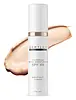
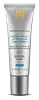
DRMTLGY Universal Tinted Moisturizer SPF 46 Versus SkinCeuticals Ultra Facial UV Defense Sunscreen SPF50

What's inside
What's inside
 Key Ingredients
Benefits
Concerns
Ingredients Side-by-side
Zinc Oxide 12%
Cosmetic Colorant


Ethylhexyl Methoxycinnamate 7.5%
UV Absorber
Water
Skin ConditioningCyclopentasiloxane
Emollient
Niacinamide
Smoothing










Oleth-3 Phosphate
Octyldodecyl Neopentanoate
EmollientHydroxyethyl Acrylate/Sodium Acryloyldimethyl Taurate Copolymer
Emulsion StabilisingGlycerin
Humectant
Polygonum Aviculare Extract
EmollientSodium Hyaluronate
Humectant
Tocopheryl Acetate
Antioxidant

Ethylhexylglycerin
Skin ConditioningTriethoxysilylethyl Polydimethylsiloxyethyl Hexyl Dimethicone
Skin Conditioning
Polyglyceryl-3 Polydimethylsiloxyethyl Dimethicone
Skin Conditioning
PEG-7 Trimethylolpropane Coconut Ether
Emulsifying
Polyisobutene
Triethoxycaprylylsilane
Disodium EDTA
Iron Oxides
Phenoxyethanol
Preservative
Zinc Oxide 12%, Ethylhexyl Methoxycinnamate 7.5%, Water, Cyclopentasiloxane, Niacinamide, Oleth-3 Phosphate, Octyldodecyl Neopentanoate, Hydroxyethyl Acrylate/Sodium Acryloyldimethyl Taurate Copolymer, Glycerin, Polygonum Aviculare Extract, Sodium Hyaluronate, Tocopheryl Acetate, Ethylhexylglycerin, Triethoxysilylethyl Polydimethylsiloxyethyl Hexyl Dimethicone, Polyglyceryl-3 Polydimethylsiloxyethyl Dimethicone, PEG-7 Trimethylolpropane Coconut Ether, Polyisobutene, Triethoxycaprylylsilane, Disodium EDTA, Iron Oxides, Phenoxyethanol
Water
Skin ConditioningEthylhexyl Methoxycinnamate
UV Absorber
Drometrizole Trisiloxane
UV Absorber
Glycerin
Humectant
Propylene Glycol
Humectant

Dimethicone
Emollient
Titanium Dioxide
Cosmetic Colorant
Alcohol Denat.
Antimicrobial

Pentylene Glycol
Skin Conditioning
Terephthalylidene Dicamphor Sulfonic Acid
UV Absorber
Diethylamino Hydroxybenzoyl Hexyl Benzoate
UV Filter
Triethanolamine
BufferingBis-Ethylhexyloxyphenol Methoxyphenyl Triazine
Skin Conditioning
Stearic Acid
Cleansing

Potassium Cetyl Phosphate
EmulsifyingTocopherol
Antioxidant
Sodium Cocoyl Sarcosinate
Cleansing
Phenoxyethanol
Preservative
PEG-100 Stearate
Palmitic Acid
Emollient
Xanthan Gum
EmulsifyingTromethamine
BufferingCaprylyl Glycol
Emollient
Carbomer
Emulsion StabilisingDisodium EDTA
Cetyl Alcohol
Emollient
Butylene Glycol
Humectant
Butyrospermum Parkii Seedcake Extract
Skin Protecting
Aluminum Hydroxide
EmollientGlyceryl Stearate
Emollient
Water, Ethylhexyl Methoxycinnamate, Drometrizole Trisiloxane, Glycerin, Propylene Glycol, Dimethicone, Titanium Dioxide, Alcohol Denat., Pentylene Glycol, Terephthalylidene Dicamphor Sulfonic Acid, Diethylamino Hydroxybenzoyl Hexyl Benzoate, Triethanolamine, Bis-Ethylhexyloxyphenol Methoxyphenyl Triazine, Stearic Acid, Potassium Cetyl Phosphate, Tocopherol, Sodium Cocoyl Sarcosinate, Phenoxyethanol, PEG-100 Stearate, Palmitic Acid, Xanthan Gum, Tromethamine, Caprylyl Glycol, Carbomer, Disodium EDTA, Cetyl Alcohol, Butylene Glycol, Butyrospermum Parkii Seedcake Extract, Aluminum Hydroxide, Glyceryl Stearate
Reviews
Ingredients Explained
These ingredients are found in both products.
Ingredients higher up in an ingredient list are typically present in a larger amount.
Disodium EDTA is a chelating agent. It grabs onto and deactivates metal ions that sneak into your products from water, packaging, or air.
This ingredient mainly works behind the scenes and helps with:
On top of that, this ingredient can counteract the effects of hard water by binding to the minerals in it.
One thing worth knowing is that Disodium EDTA has been shown to be a mild penetration enhancer. It can help other ingredients absorb into skin more effectively which can be a double-edged sword (great for actives, but can also make the active too strong if you have sensitive skin).
Clinical patch testing showed no significant skin irritation at typical use concentrations and minimal dermal absorption.
You'll most likely see this ingredient near the end of an ingredient list. It's typically found in concentrations less than 1%.
Learn more about Disodium EDTAEthylhexyl Methoxycinnamate is an organic compound that provides UVB protection. It often goes by the more common name of octinoxate. It is created from methoxycinnamic acid and 2-ethylhexanol.
Ethylhexyl Methoxycinnamate absorbs UVB rays with wavelengths between 280-320 nm. UV absorbers protect your skin by using chemical reactions to convert UV rays into heat and energy.
UVB (290-320 nm) rays emit more energy than UVA rays. They are capable of damaging DNA, causing sunburns and are thought to be linked to skin cancer.
The state of Hawaii has banned sunscreens containing octinoxate due to its potential impact on coral reefs. More research is needed to bridge gaps in this research. The European Union allows higher levels of octinoxate in sunscreens than the US and Australia.
Ethylhexyl Methoxycinnamate is oil soluble. It is not stable and may lose efficacy when exposed to sunlight.
Learn more about Ethylhexyl MethoxycinnamateGlycerin (or glycerol) is a compound naturally found in your skin. It's a powerhouse humectant that pulls water into the stratum corneum.
Topically, glycerin does several things at once:
Your skin makes glycerin on its own (mostly from sebaceous oil breakdown) and shuttles it to your outermost layer of skin, or your epidermis, via aquaporin-3.
Aquaporin-3 is a transporter that is essential for normal skin hydration, elasticity, and repair. Interestingly, mice lacking in AQP3 have dry and less elastic skin that can be fully corrected with glycerin.
This ingredient is non-irritating, plays well with almost every ingredient, and works across all skin types. Typical use is anywhere between 3-10% but can go up to 79% in some leave-on products.
Just know very high concentrations (>40%) can feel tacky in low humidity.
Glycerin is the name for this ingredient in American English. British English uses Glycerol/Glycerine.
Learn more about GlycerinPhenoxyethanol is a preservative that has germicide, antimicrobial, and aromatic properties. Studies show that phenoxyethanol can prevent microbial growth. By itself, it has a scent that is similar to that of a rose.
It's often used in formulations along with Caprylyl Glycol to preserve the shelf life of products.
Water. It's the most common cosmetic ingredient of all. You'll usually see it at the top of ingredient lists, meaning that it makes up the largest part of the product.
So why is it so popular? Water most often acts as a solvent - this means that it helps dissolve other ingredients into the formulation.
You'll also recognize water as that liquid we all need to stay alive. If you see this, drink a glass of water. Remember to stay hydrated!
Learn more about Water
