

What's inside
What's inside
 Key Ingredients
Benefits
Concerns
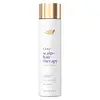
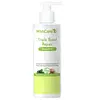
Ingredients Side-by-side
Water
Skin ConditioningSodium C14-16 Olefin Sulfonate
Cleansing
Cocamidopropyl Betaine
Cleansing

Sodium Chloride
Masking

Glycerin
Humectant



Sodium Gluconate
Skin ConditioningNiacinamide
Smoothing







Hydrolyzed Yeast Protein
Skin ConditioningZinc Gluconate
Skin Conditioning
Tocopheryl Acetate
Antioxidant

Parfum
Masking
Sodium Benzoate
Masking
Citric Acid
Buffering

Glycol Distearate
Emollient
PPG-9
Skin ConditioningPolyquaternium-10
Disodium EDTA
PEG-45m
HumectantLactic Acid
Buffering
Hexyl Cinnamal
Perfuming
Limonene
Perfuming
Linalool
Perfuming
Water, Sodium C14-16 Olefin Sulfonate, Cocamidopropyl Betaine, Sodium Chloride, Glycerin, Sodium Gluconate, Niacinamide, Hydrolyzed Yeast Protein, Zinc Gluconate, Tocopheryl Acetate, Parfum, Sodium Benzoate, Citric Acid, Glycol Distearate, PPG-9, Polyquaternium-10, Disodium EDTA, PEG-45m, Lactic Acid, Hexyl Cinnamal, Limonene, Linalool
Water
Skin ConditioningSodium Lauroyl Sarcosinate
CleansingCocamidopropyl Betaine
Cleansing
Sodium Cocoyl Isethionate
CleansingDecyl Glucoside
CleansingGluconamido Amodimethicone

PEG-8 Amodimethicone
Glycol Stearate
Emollient
PEG-150 Distearate
Emulsifying
Glycerin
Humectant
Dimethiconol
Emollient
Tea-Dodecylbenzenesulfonate
CleansingPhenoxyethanol
Preservative
Sodium PCA
Humectant
Sodium Benzoate
Masking
Polyquaternium-10
Guar Hydroxypropyltrimonium Chloride
Skin ConditioningSodium Gluconate
Skin ConditioningArginine
Masking
Hydrolyzed Keratin
Humectant
Hydrolyzed Collagen
Emollient
Hydrolyzed Wheat Protein
Skin ConditioningPanthenol
Skin Conditioning
Lactic Acid
Buffering
Ceramide AP
Skin Conditioning
Oligopeptide-2
Skin Conditioning
Brassica Oleracea Acephala Leaf Extract
HumectantWater, Sodium Lauroyl Sarcosinate, Cocamidopropyl Betaine, Sodium Cocoyl Isethionate, Decyl Glucoside, Gluconamido Amodimethicone, PEG-8 Amodimethicone, Glycol Stearate, PEG-150 Distearate, Glycerin, Dimethiconol, Tea-Dodecylbenzenesulfonate, Phenoxyethanol, Sodium PCA, Sodium Benzoate, Polyquaternium-10, Guar Hydroxypropyltrimonium Chloride, Sodium Gluconate, Arginine, Hydrolyzed Keratin, Hydrolyzed Collagen, Hydrolyzed Wheat Protein, Panthenol, Lactic Acid, Ceramide AP, Oligopeptide-2, Brassica Oleracea Acephala Leaf Extract
Reviews
Ingredients Explained
These ingredients are found in both products.
Ingredients higher up in an ingredient list are typically present in a larger amount.
Cocamidopropyl Betaine is a fatty acid created by mixing similar compounds in coconut oil and dimethylaminopropylamine, a compound with two amino groups.
This ingredient is a surfactant and cleanser. It helps gather the dirt, pollutants, and other impurities in your skin to be washed away. It also helps thicken a product and make the texture more creamy.
Being created from coconut oil means Cocamidopropyl Betaine is hydrating for the skin.
While Cocamidopropyl Betaine was believed to be an allergen, a study from 2012 disproved this. It found two compounds in unpure Cocamidopropyl Betaine to be the irritants: aminoamide and 3-dimethylaminopropylamine. High-grade and pure Cocamidopropyl Betaine did not induce allergic reactions during this study.
Learn more about Cocamidopropyl BetaineGlycerin is already naturally found in your skin. It helps moisturize and protect your skin.
A study from 2016 found glycerin to be more effective as a humectant than AHAs and hyaluronic acid.
As a humectant, it helps the skin stay hydrated by pulling moisture to your skin. The low molecular weight of glycerin allows it to pull moisture into the deeper layers of your skin.
Hydrated skin improves your skin barrier; Your skin barrier helps protect against irritants and bacteria.
Glycerin has also been found to have antimicrobial and antiviral properties. Due to these properties, glycerin is often used in wound and burn treatments.
In cosmetics, glycerin is usually derived from plants such as soybean or palm. However, it can also be sourced from animals, such as tallow or animal fat.
This ingredient is organic, colorless, odorless, and non-toxic.
Glycerin is the name for this ingredient in American English. British English uses Glycerol/Glycerine.
Learn more about GlycerinLactic Acid is another well-loved alpha hydroxy acid (AHA). It is gentler than glycolic acid but still highly effective.
Its main role is to exfoliate the surface of the skin by loosening the “glue” that holds dead skin cells together. Shedding those old cells leads to smoother, softer, and more even-toned skin.
Because lactic acid molecules are larger than glycolic acid, they don’t penetrate as deeply. This means they’re less likely to sting or irritate, making it a great choice for beginners or those with sensitive skin.
Like glycolic acid, it can:
Lactic acid also acts as a humectant (like hyaluronic acid). It can draw water into the skin to improve hydration and also plays a role in the skin's natural moisturizing factor (NMF) in the form of sodium lactate.
Studies show it can boost ceramide production to strengthen the skin barrier and even help balance the skin’s microbiome.
To get results, choose products with a pH between 3-4.
Lower strengths (5-12%) focus on surface exfoliation; higher strengths (12% and up) can reach deeper in the dermis (deeper, supportive layer) to improve skin texture and firmness over time.
Though it was originally derived from milk, most modern lactic acid used in skincare is vegan. It is made through non-dairy fermentation to create a bio-identical and stable form suitable for all formulations.
When lactic acid shows up near the end of an ingredient list, it usually means the brand added just a tiny amount to adjust the product’s pH.
Legend has it that Cleopatra used to bathe in sour milk to help reduce wrinkles.
Lactic acid is truly a gentle multitasker: it exfoliates, hydrates, strengthens, and brightens. It's a great ingredient for giving your skin a smooth, glowing, and healthy look without the harshness of stronger acids.
Read more about some other popular AHA's here:
Learn more about Lactic AcidPolyquaternium-10 is an ammonium salt of hydroxyethylcellulose. It is a white and granular powder used as a film-former and anti-static agent.
This ingredient is commonly found in hair conditioning products. According to a manufacturer, its positive charge makes it great for absorbing hair proteins. The manufacturer also states this ingredient helps with curl retention.
For haircare friends: this ingredient is not a silicone.
Learn more about Polyquaternium-10Sodium Benzoate is a preservative. It's used in both cosmetic and food products to inhibit the growth of mold and bacteria. It is typically produced synthetically.
Both the US FDA and EU Health Committee have approved the use of sodium benzoate. In the US, levels of 0.1% (of the total product) are allowed.
Sodium benzoate works as a preservative by inhibiting the growth of bacteria inside of cells. It prevents the cell from fermenting a type of sugar using an enzyme called phosphofructokinase.
It is the salt of benzoic acid. Foods containing sodium benzoate include soda, salad dressings, condiments, fruit juices, wines, and snack foods.
Studies for using ascorbic acid and sodium benzoate in cosmetics are lacking, especially in skincare routines with multiple steps.
We always recommend speaking with a professional, such as a dermatologist, if you have any concerns.
Learn more about Sodium BenzoateThis is the synthetic salt of gluconic acid, a form of PHA and mild exfoliant.
It is mainly used to stabilize oil and butter formulations from going bad. Sodium gluconate is a humectant, pH regulator, and chelating agent.
Chelating agents help neutralize unwanted metals from affecting the formulation.
Sodium gluconate is water-soluble.
Learn more about Sodium GluconateWater. It's the most common cosmetic ingredient of all. You'll usually see it at the top of ingredient lists, meaning that it makes up the largest part of the product.
So why is it so popular? Water most often acts as a solvent - this means that it helps dissolve other ingredients into the formulation.
You'll also recognize water as that liquid we all need to stay alive. If you see this, drink a glass of water. Stay hydrated!
Learn more about Water
