

What's inside
What's inside
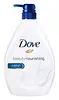 Key Ingredients

Benefits
Concerns
Ingredients Side-by-side
Water
Skin ConditioningCocamidopropyl Betaine
Cleansing



Sodium Laureth Sulfate
Cleansing

Sodium Cocoyl Glycinate
Cleansing
Sodium Chloride
MaskingParfum
Masking

Glycerin
Humectant


Phenoxyethanol
Preservative
Sodium Lauroyl Isethionate
CleansingStearic Acid
Cleansing

Acrylates/C10-30 Alkyl Acrylate Crosspolymer
Emulsion StabilisingStyrene/Acrylates Copolymer
Lauric Acid
Cleansing
Sodium Hydroxide
BufferingCitric Acid
Buffering

BHT
Antioxidant
PPG-7
Skin ConditioningCoconut Acid
Cleansing
Sodium Palmitate
CleansingSodium Benzoate
Masking
Tetrasodium EDTA
ChelatingSodium Isethionate
CleansingSodium Stearate
CleansingPEG-4 Laurate
Emulsifying
PEG-4 Dilaurate
Emulsifying
Sodium Palm Kernelate
CleansingOryza Sativa Bran Oil
Emollient


Sodium Lauryl Sulfate
Cleansing
PEG-4
HumectantIodopropynyl Butylcarbamate
Preservative
Zinc Oxide
Cosmetic Colorant


Alumina
Abrasive
CI 77891
Cosmetic ColorantWater, Cocamidopropyl Betaine, Sodium Laureth Sulfate, Sodium Cocoyl Glycinate, Sodium Chloride, Parfum, Glycerin, Phenoxyethanol, Sodium Lauroyl Isethionate, Stearic Acid, Acrylates/C10-30 Alkyl Acrylate Crosspolymer, Styrene/Acrylates Copolymer, Lauric Acid, Sodium Hydroxide, Citric Acid, BHT, PPG-7, Coconut Acid, Sodium Palmitate, Sodium Benzoate, Tetrasodium EDTA, Sodium Isethionate, Sodium Stearate, PEG-4 Laurate, PEG-4 Dilaurate, Sodium Palm Kernelate, Oryza Sativa Bran Oil, Sodium Lauryl Sulfate, PEG-4, Iodopropynyl Butylcarbamate, Zinc Oxide, Alumina, CI 77891
Water
Skin ConditioningSorbitol
Humectant
Sodium Palm Kernelate
CleansingSodium Rosinate
CleansingGlycerin
Humectant
Sodium Palmate
CleansingSodium Stearate
CleansingPropylene Glycol
Humectant
Sodium Lauryl Sulfate
Cleansing
PEG-4
HumectantSodium Laurate
CleansingAlcohol Denat.
Antimicrobial
Sodium Chloride
MaskingSodium Metabisulfite
Antioxidant
Sodium Sulfate
Parfum
Masking
Eugenia Caryophyllus Leaf Oil
Masking

Eucalyptus Globulus Leaf Oil
Perfuming
Carum Carvi Fruit Oil
Masking
Tetrasodium Etidronate
ChelatingLauryl Alcohol
Emollient
Tetrasodium EDTA
ChelatingBHT
Antioxidant
CI 17200
Cosmetic ColorantCI 47005
Cosmetic ColorantWater, Sorbitol, Sodium Palm Kernelate, Sodium Rosinate, Glycerin, Sodium Palmate, Sodium Stearate, Propylene Glycol, Sodium Lauryl Sulfate, PEG-4, Sodium Laurate, Alcohol Denat., Sodium Chloride, Sodium Metabisulfite, Sodium Sulfate, Parfum, Eugenia Caryophyllus Leaf Oil, Eucalyptus Globulus Leaf Oil, Carum Carvi Fruit Oil, Tetrasodium Etidronate, Lauryl Alcohol, Tetrasodium EDTA, BHT, CI 17200, CI 47005
Ingredients Explained
These ingredients are found in both products.
Ingredients higher up in an ingredient list are typically present in a larger amount.
BHT is a synthetic antioxidant and preservative.
As an antioxidant, it helps your body fight off free-radicals. Free-radicals are molecules that may damage your skin cells.
As a preservative, it is used to stabilize products and prevent them from degrading. Specifically, BHT prevents degradation from oxidation.
The concerns related to BHT come from oral studies; this ingredient is currently allowed for use by both the FDA and EU.
However, it was recently restricted for use in the UK as of April 2024.
Learn more about BHTGlycerin (or glycerol) is a compound naturally found in your skin. It's a powerhouse humectant that pulls water into the stratum corneum.
Topically, glycerin does several things at once:
Your skin makes glycerin on its own (mostly from sebaceous oil breakdown) and shuttles it to your outermost layer of skin, or your epidermis, via aquaporin-3.
Aquaporin-3 is a transporter that is essential for normal skin hydration, elasticity, and repair. Interestingly, mice lacking in AQP3 have dry and less elastic skin that can be fully corrected with glycerin.
This ingredient is non-irritating, plays well with almost every ingredient, and works across all skin types. Typical use is anywhere between 3-10% but can go up to 79% in some leave-on products.
Just know very high concentrations (>40%) can feel tacky in low humidity.
Glycerin is the name for this ingredient in American English. British English uses Glycerol/Glycerine.
Learn more about GlycerinParfum is a catch-all term for an ingredient or more that is used to give a scent to products.
Also called "fragrance", this ingredient can be a blend of hundreds of chemicals or plant oils. This means every product with "fragrance" or "parfum" in the ingredients list is a different mixture.
For instance, Habanolide is a proprietary trade name for a specific aroma chemical. When used as a fragrance ingredient in cosmetics, most aroma chemicals fall under the broad labeling category of “FRAGRANCE” or “PARFUM” according to EU and US regulations.
The term 'parfum' or 'fragrance' is not regulated in many countries. In many cases, it is up to the brand to define this term.
For instance, many brands choose to label themselves as "fragrance-free" because they are not using synthetic fragrances. However, their products may still contain ingredients such as essential oils that are considered a fragrance by INCI standards.
One example is Calendula flower extract. Calendula is an essential oil that still imparts a scent or 'fragrance'.
Depending on the blend, the ingredients in the mixture can cause allergies and sensitivities on the skin. Some ingredients that are known EU allergens include linalool and citronellol.
Parfum can also be used to mask or cover an unpleasant scent.
The bottom line is: not all fragrances/parfum/ingredients are created equally. If you are worried about fragrances, we recommend taking a closer look at an ingredient. And of course, we always recommend speaking with a professional.
Learn more about ParfumWe don't have a description for PEG-4 yet.
Chances are, you eat sodium chloride every day. Sodium Chloride is also known as table salt. This ingredient has many purposes in skincare: thickener, emulsifier, and exfoliator.
You'll most likely find this ingredient in cleansers where it is used to create a gel-like texture. As an emulsifier, it also prevents ingredients from separating.
You might see people debate whether Sodium Chloride is comedogenic, but there actually haven't been any comedogenic tests done on it. Either way, the overall formulation of a product matters a lot more than any single ingredient.
You might see this ingredient used in scrubs as a primary exfoliating ingredient.
Learn more about Sodium ChlorideSodium Lauryl Sulfate (SLS) is a surfactant, cleansing agent, and foaming agent. You'll find it in a wide range of products from shampoos to face cleansers.
SLS has two main roles:
The Cosmetic Ingredient Review Panel has assessed it in 1983, 2002, and 2005 and found it to be safe in formulations at low concentrations.
SLS is a well-documented skin irritant at higher concentrations or with prolonged exposure. It's actually the gold standard positive control used in dermatological patch testing, meaning doctors use it because they know it will cause a reaction in people.
In one large study of 43,000 patiences tested with 0.25% SLS, about 22% showed some level of reactivity. It increases transepidermal water loss that disrupts your outermost layer of skin.
Face cleansers often pair this ingredient with mild co-surfactants like Cocamidopropyl Betaine to buffer its harshness.
Just so you know, SLS does not trigger true allergic contact dermatitis. This just means it can irritate your skin but doesn't cause your immune system to develop a lasting allergy to it.
Despite internet rumors, SLS is not considered a carcinogen by any major regulatory body.
Learn more about Sodium Lauryl SulfateThis ingredient is derived from the fatty acids of palm kernel oil and is considered a traditional soap.
It acts as a surfactant by making it easier for water to wash away dirt, oil, and other impurities.
Sodium Stearate is soap and usually the main thing holding a bar of soap together. In cosmetics, it does three jobs: it cleanses, thickens, and turns liquids into solid sticks.
Use levels vary hugely by product type; supplier guidance puts the typical range at 0.5-20%, with bar soaps at 5-20%, deodorant sticks at 4-8%, and under 1% when it's acting as a co-emulfisifier. Industry data has reported levels as high as 84% in some leave-on fragrance products.
Safety-wise, it's about as well-established as an ingredient gets. The FDA and European food-safety regulators treat this ingredient as safe in food.
Allergy risk is genuinely low too; stearates aren't on standard patch test series and published sensitization reports are scarce. The more realistic concern is irritation since high-percentage soaps can leave the skin tight and dry.
Learn more about Sodium StearateTetrasodium EDTA is the salt formed from neutralizing ethylenediamine tetraacetic acid with sodium hydroxide. It is a chelating agent and used to prevent metal ions from binding to other ingredients. This helps keep the product and ingredients stable.
Tetrasodium EDTA comes as a white solid and is soluble in water.
Water. It's the most common cosmetic ingredient of all. You'll usually see it at the top of ingredient lists, meaning that it makes up the largest part of the product.
So why is it so popular? Water most often acts as a solvent - this means that it helps dissolve other ingredients into the formulation.
You'll also recognize water as that liquid we all need to stay alive. If you see this, drink a glass of water. Remember to stay hydrated!
Learn more about Water

