

What's inside
What's inside
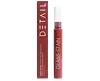 Key Ingredients
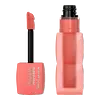
Benefits
Concerns
Ingredients Side-by-side
Water
Skin ConditioningOctyldodecanol
Emollient
Diisostearyl Malate
EmollientButylene Glycol
Humectant

Sorbitan Stearate
Emulsifying

Ethylcellulose
Cetearyl Alcohol
Emollient



Polysorbate 60
Emulsifying
Hydroxyethyl Acrylate/Sodium Acryloyldimethyl Taurate Copolymer
Emulsion StabilisingPhenoxyethanol
Preservative
Polyglyceryl-2 Triisostearate
Emulsifying
PEG-100 Stearate
Surfactant
Polyurethane-35
Glyceryl Stearate
Emollient
Ethylhexylglycerin
Skin ConditioningSimmondsia Chinensis Seed Oil
Emollient

Tocopheryl Acetate
Antioxidant


Sodium Hyaluronate
Humectant


Sorbitan Isostearate
Emulsifying
Myristyl Alcohol
Emollient
Arachidyl Alcohol
Emollient
Methylpropanediol
SolventCaprylyl Glycol
Emollient
Phenylpropanol
Masking

CI 16035
Cosmetic ColorantCI 17200
Cosmetic ColorantTitanium Dioxide
Cosmetic Colorant

CI 15850
Cosmetic ColorantCI 45410
Cosmetic ColorantCI 19140
Cosmetic ColorantCI 77492
Cosmetic ColorantCI 77491
Cosmetic ColorantCI 77499
Cosmetic ColorantCI 42090
Cosmetic ColorantWater, Octyldodecanol, Diisostearyl Malate, Butylene Glycol, Sorbitan Stearate, Ethylcellulose, Cetearyl Alcohol, Polysorbate 60, Hydroxyethyl Acrylate/Sodium Acryloyldimethyl Taurate Copolymer, Phenoxyethanol, Polyglyceryl-2 Triisostearate, PEG-100 Stearate, Polyurethane-35, Glyceryl Stearate, Ethylhexylglycerin, Simmondsia Chinensis Seed Oil, Tocopheryl Acetate, Sodium Hyaluronate, Sorbitan Isostearate, Myristyl Alcohol, Arachidyl Alcohol, Methylpropanediol, Caprylyl Glycol, Phenylpropanol, CI 16035, CI 17200, Titanium Dioxide, CI 15850, CI 45410, CI 19140, CI 77492, CI 77491, CI 77499, CI 42090
Dimethicone
Emollient
Trimethylsiloxysilicate
Emollient
Nylon-611/Dimethicone Copolymer
Skin Conditioning
Isododecane
EmollientDimethicone Crosspolymer
Emulsion Stabilising
C30-45 Alkyldimethylsilyl Polypropylsilsesquioxane
Lauroyl Lysine
Skin Conditioning
Silica Silylate
Emollient
Phenoxyethanol
Preservative
Sorbic Acid
Preservative
Ethylhexylglycerin
Skin ConditioningDisodium Stearoyl Glutamate
CleansingAluminum Hydroxide
EmollientLinalool
Perfuming

Silica
Abrasive

Alpha-Isomethyl Ionone
Perfuming
Tocopherol
Antioxidant
Parfum
Masking
Mica
Cosmetic ColorantCI 77491
Cosmetic ColorantCI 77492
Cosmetic ColorantCI 77499
Cosmetic ColorantCI 45410
Cosmetic ColorantCI 77891
Cosmetic ColorantCI 15850
Cosmetic ColorantCI 15985
Cosmetic ColorantCI 45380
Cosmetic ColorantCI 19140
Cosmetic ColorantCI 42090
Cosmetic ColorantDimethicone, Trimethylsiloxysilicate, Nylon-611/Dimethicone Copolymer, Isododecane, Dimethicone Crosspolymer, C30-45 Alkyldimethylsilyl Polypropylsilsesquioxane, Lauroyl Lysine, Silica Silylate, Phenoxyethanol, Sorbic Acid, Ethylhexylglycerin, Disodium Stearoyl Glutamate, Aluminum Hydroxide, Linalool, Silica, Alpha-Isomethyl Ionone, Tocopherol, Parfum, Mica, CI 77491, CI 77492, CI 77499, CI 45410, CI 77891, CI 15850, CI 15985, CI 45380, CI 19140, CI 42090
Reviews
Ingredients Explained
These ingredients are found in both products.
Ingredients higher up in an ingredient list are typically present in a larger amount.
Ci 15850 is the pigment color red. It is an azo dye and created synthetically.
Azo dyes need to be thoroughly purified before use. This allows them to be more stable and longer-lasting.
This ingredient is common in foundations, lipsticks, and blushes. This color is described as brown/orangey red.
It has many secondary names such as Red 6 and Red 7. According to a manufacturer, Red 6 usually contains aluminum.
Learn more about CI 15850CI 19140 is also known as Tartrazine. Tartrazine is a synthetic dye used in cosmetics, foods, and medicine to add a yellow color.
Tartrazine is created from petroleum and is water-soluble.
Some people may experience allergies from this dye, especially asthmatics and those with an aspirin intolerance.
Learn more about CI 19140Ci 42090 is a synthetic dye created from petroleum. It is used to give a bright blue color to cosmetics, medicine, and food.
CI 45410 is a synthetic red-pigment and dye.
It often goes by both Red 28 or Red 27; manufacturers label both ingredients as CI 45410.
This dye is commonly found in makeup because it imparts a vivid color. Some types of this dye change color based on pH level and interaction with moisture:
Your skin has a natural pH of around 4.5 - 5.5.
According to the FDA, CI 45410 is not permitted for use in eye products.
Red 27 is a flourescein dye and commonly used as a fluorescent tracer in medicine.
Learn more about CI 45410Ci 77491 is also hydrated iron III oxide. It's sole purpose is to give a red/pink hue to products.
Iron III oxides are classified as inorganic chemicals for coloring.
Synthetically created Ci 77491 is considered safer than those naturally found. This is because the synthetically created version may contain less impurities. Iron oxides are generally non-toxic and non-allergenic.
Learn more about CI 77491CI 77492 is also hydrated iron III oxide. It's sole purpose is to give a yellow hue to products.
Iron III oxides are classified as inorganic chemicals for coloring.
Synthetically created CI 77492 is considered safer than those naturally found. This is because the synthetically created version may contain less impurities. Iron oxides are generally non-toxic and non-allergenic.
Learn more about CI 77492Ci 77499 is also hydrated iron III oxide. It is created from mixing red and black iron oxides. This helps give shades of darkness to a product.
Iron III oxides are classified as inorganic chemicals for coloring.
Ethylhexylglycerin is created from glycerin. It is a multitasker ingredient that:
The CIR Expert Panel found minimal skin absorption or sensitization of any kind in a safety assessment. Though this ingredient is considered well-tolerated, a small number of cases of allergic dermatitis have been published since 2002. Just be sure to patch test if you are unsure.
Industry-reported use ranges from 8% in rinse-off products and 2% in leave-on formulations.
Learn more about EthylhexylglycerinPhenoxyethanol is one of the most widely used preservatives in skincare (and for good reason!).
It has a large spectrum of antimicrobial activity and especially effective bacteria, yeast, and mold while only having a weak effect on your skin's natural microbiome.
On a cellular level, it disrupts the cell membranes of microbes by poking holes that make the cell leak. This shuts down the chemical reactions the microbe needs to make energy so it can no longer survive.
Another perk of this ingredient is that it stays functional across a wide pH range (3-10).
You'll often see it paired with boosters like Ethylhexylglycerin; one study showed that a 1:9 ratio of Ethylhexylglycerin to Phenoxyethanol damages bacterial membranes as effectively as doubling the Phenoxyethanol concentration on its own.
Typical use concentrations range from 0.3-1% depending on the formula, and this ingredient is capped at 1% int the EU.
Safety-wise, the fear mongering does not hold up to the evidence. The EU's Scientific Committee on Consumer Safety and FDA consider it safe as a preservative at up to 1%, including for children of all ages.
Adverse systemic effects only showed up in animal studies at exposures roughly 200x higher than what people get from cosmetics. And despite its very widespread use, this ingredient is a rare sensitizer and allergic reactions are uncommon.
Learn more about Phenoxyethanol

