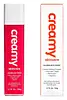
This calming moisturizer is formulated around 4-T-Butylcyclohexanol and Bisabolol to calm redness and hydrate skin.
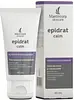
This calming moisturizer is formulated around Bisabolol and 4-T-Butylcyclohexanol to calm redness and strengthen the skin barrier.

What's inside
What's inside
 Key Ingredients
Benefits
Concerns
Ingredients Side-by-side
Water
Skin ConditioningCyclopentasiloxane
Emollient
Cetearyl Olivate


Propanediol
Solvent

Sorbitan Olivate
Emulsifying
Persea Gratissima Oil
Skin Conditioning


Pentylene Glycol
Skin Conditioning
Coco-Caprylate/Caprate
Emollient
Dipentaerythrityl Hexacaprylate/Hexacaprate
EmulsifyingPhytosterols
Skin Conditioning
Glyceryl Caprylate
EmollientButylene Glycol
Humectant
Sodium Acrylates Copolymer
4-T-Butylcyclohexanol
Masking


Tocopheryl Acetate
Antioxidant


Bisabolol
Antioxidant
Olea Europaea Fruit Oil
Masking
Glycerin
Humectant
Sargassum Filipendula Extract
Skin Protecting
Lecithin
Emollient
Hypnea Musciformis Extract
Skin Protecting
Dimethicone/Vinyl Dimethicone Crosspolymer
Skin Conditioning
Sodium Gluconate
ChelatingCaprylic/Capric Triglyceride
Masking
Glyceryl Undecylenate
Emollient
Sorbitan Oleate
Emulsifying
Centella Asiatica Extract
Cleansing

Ascorbyl Palmitate
Antioxidant
Hydroxymethoxyphenyl Decanone
Skin ConditioningBenzyl Alcohol
Perfuming



Potassium Sorbate
Preservative
Sodium Benzoate
Masking
Benzoic Acid
Masking
Dextran
Palmitoyl Tripeptide-8
Skin Conditioning

Sorbic Acid
Preservative
Water, Cyclopentasiloxane, Cetearyl Olivate, Propanediol, Sorbitan Olivate, Persea Gratissima Oil, Pentylene Glycol, Coco-Caprylate/Caprate, Dipentaerythrityl Hexacaprylate/Hexacaprate, Phytosterols, Glyceryl Caprylate, Butylene Glycol, Sodium Acrylates Copolymer, 4-T-Butylcyclohexanol, Tocopheryl Acetate, Bisabolol, Olea Europaea Fruit Oil, Glycerin, Sargassum Filipendula Extract, Lecithin, Hypnea Musciformis Extract, Dimethicone/Vinyl Dimethicone Crosspolymer, Sodium Gluconate, Caprylic/Capric Triglyceride, Glyceryl Undecylenate, Sorbitan Oleate, Centella Asiatica Extract, Ascorbyl Palmitate, Hydroxymethoxyphenyl Decanone, Benzyl Alcohol, Potassium Sorbate, Sodium Benzoate, Benzoic Acid, Dextran, Palmitoyl Tripeptide-8, Sorbic Acid
Ethylene Brassylate
MaskingCyclopentasiloxane
Emollient
Tocopheryl Acetate
Antioxidant
BHT
Antioxidant
Polymethylsilsesquioxane
Disodium EDTA
ChelatingGlycerin
Humectant
Caprylyl Glycol
Emollient
Caprylhydroxamic Acid
ChelatingPropylheptyl Caprylate
EmollientSorbitan Olivate
Emulsifying
Cetearyl Olivate
Hydroxymethoxyphenyl Decanone
Skin ConditioningBisabolol
Antioxidant
4-T-Butylcyclohexanol
Masking
Pentylene Glycol
Skin Conditioning
Ethylhexyl Olivate
Skin Conditioning
Lecithin
Emollient
Sodium Acrylates Copolymer
Water
Skin ConditioningEthylene Brassylate, Cyclopentasiloxane, Tocopheryl Acetate, BHT, Polymethylsilsesquioxane, Disodium EDTA, Glycerin, Caprylyl Glycol, Caprylhydroxamic Acid, Propylheptyl Caprylate, Sorbitan Olivate, Cetearyl Olivate, Hydroxymethoxyphenyl Decanone, Bisabolol, 4-T-Butylcyclohexanol, Pentylene Glycol, Ethylhexyl Olivate, Lecithin, Sodium Acrylates Copolymer, Water
Reviews
Ingredients Explained
These ingredients are found in both products.
Ingredients higher up in an ingredient list are typically present in a larger amount.
4-T-Butylcyclohexanol has skin soothing and perfuming/masking properties.
A study from 2016 found it to have skin-soothing properties both in-vivo and in-vitro. It works by intercepting the signals of irritation and can soothe the skin in a few minutes.
According to a manufacturer, this ingredient has a scent similar to musk or patchouli. Besides having a skin soothing effect, it can also help cover other unpleasant scents as a masking ingredient.
Learn more about 4-T-ButylcyclohexanolBisabolol is a gentle skin conditioner, antioxidant, and soothing ingredient.
It's primary claim to fame is soothing and research shows topically applied bisabolol can quiet the chemical messengers that cause your skin to become inflamed, helping to sooth any irritation.
A clinical study found that applying 0.5% bisabolol daily for 8 weeks produced an average 9% decrease in skin pigmentation. Researchers found it can also suppress the process that leads to excess melanin production in skin.
In vitro studies found that bisabolol combined with propylene glycol significantly increased skin permeability by increasing lipid fluidity in the stratum corneum.
You'll likely see use concentrations quite low, usually 0.1-0.2%.
Overall, this is a well-tolerated ingredient that works well in formulas designed for sensitive, reactive, or post-procedure skin.
Learn more about BisabololCetearyl Olivate is a plant-derived emulsifier and texture enhancer. It helps keep the oil and water phases from separating so your formulas stay stable.
You'll likely see it combined with Sorbitan Olivate (together sold as the trade name Olivem 1000). This combination generates a liquid crystal structure that closely resemble the lipid organization of the stratum corneum.
These "skin-like" liquid crystals improve skin barrier integrity and promote the delivery of actives into the skin.
This ingredient is well-tolerated and has no significant sensitization data.
Because it is derived from the fatty acids in olive oil, this ingredient may not be fungal acne safe.
Learn more about Cetearyl OlivateCyclopentasiloxane (D5) is a lightweight silicone that mostly acts as an emollient and solvent in cosmetics. Its the reason your products feel silky, fast-spreading, and non-greasy.
Since D5 is volatile, it does its thing and then evaporates off the skin quickly.
The safety profile of this ingredient is reassuring; the US CIR Expert Panel concluded D5 is safe as used in cosmetics and Health Canada concluded that D5 is not harmful to human health or the environment as currently used in cosmetics
There's a study that people mention about D5 in a rat study showing tumors. This study is related to long-term inhalation of high D5 levels.
Regulatory bodies have judged this study to be not applicable in topical skincare since skin absorption of D5 is very low and we're not really inhaling huge amounts of D5.
The only restriction for this ingredient is environmental. The European Chemicals Agency (ECHA) restricted D5 in wash-off cosmetics at or above 0.1% due to their persistence in water.
Learn more about CyclopentasiloxaneGlycerin (or glycerol) is a compound naturally found in your skin. It's a powerhouse humectant that pulls water into the stratum corneum.
Topically, glycerin does several things at once:
Your skin makes glycerin on its own (mostly from sebaceous oil breakdown) and shuttles it to your outermost layer of skin, or your epidermis, via aquaporin-3.
Aquaporin-3 is a transporter that is essential for normal skin hydration, elasticity, and repair. Interestingly, mice lacking in AQP3 have dry and less elastic skin that can be fully corrected with glycerin.
This ingredient is non-irritating, plays well with almost every ingredient, and works across all skin types. Typical use is anywhere between 3-10% but can go up to 79% in some leave-on products.
Just know very high concentrations (>40%) can feel tacky in low humidity.
Glycerin is the name for this ingredient in American English. British English uses Glycerol/Glycerine.
Learn more about GlycerinHydroxymethoxyphenyl Decanone is a synthetically created molecule made to mimic ginger extract.
Ginger has anti-inflammatory properties and helps to soothe skin.
According to one study, it is an HA booster, antioxidant, and anti-irritant.
In this study, this ingredient was able to stimulate higher hyaluronic acid levels of the dermal and epidermal layers on a skin-like model. Hyaluronic Acid is a humectant, which means it helps attract moisture to your skin. Humectants help keep skin hydrated.
As an antioxidant, Hydroxymethoxyphenyl Decanone is able to fight off damage from free-radical molecules.
Learn more about Hydroxymethoxyphenyl DecanoneLecithin is a term for a group of substances found in the cell membranes of plants, animals, and humans. They are made up of phospholipids.
Thanks to its amphiphilic structure (water-loving head and oil-loving tail), it is a true multitasker:
It plays well with most ingredients and is typically used at 0.1-1%. However, concentrations up to 50% have been reported in moisturizers.
Learn more about LecithinPentylene Glycol (1,2-pentanediol) is a multitasking little diol with three main roles in a formula:
Research on alkanediols (the family pentylene glycol belongs to) show they work by disrupting microbial cell membranes. This disruption helps the primary preservative system in a product work more effectively at lower doses.
On the safety side, the Cosmetic Ingredient Review Expert Panel has concluded this ingredient to be safe as used in current cosmetic practices + concentrations.
Typical use levels in a formula run about 1-5%.
Learn more about Pentylene GlycolThis ingredient is a synthetic, salt form polymer built from acrylic acid, ethacrylic acid, or their simple esters. It works as a binder, film former, and viscosity increasing agent.
Typical concentrations start at around 0.5% but can go up to 25% for film-forming or binding.
The CIR Expert Panel assessed the safety of 126 acrylates copolymers and concluded they are safe in cosmetics at current use levels when formulated to be non-irritating. They also noted the levels present in finished cosmetic products are not considered a safety risk and Genotoxicity testing (Ames tests, chromosomal aberration assays) has come back negative across the board.
Though the raw building blocks (like acrylic acid) can be irritating on their own, cosmetic-grade versions go through purification to keep levels extremely low.
Sodium Acrylates Copolymer is a large molecule that doesn't penetrate skin barrier in any meaningful way.
Learn more about Sodium Acrylates CopolymerSorbitan Olivate is created from the fatty acids in olive oil and sorbitol.
This ingredient is an oil in water emulsifier. It helps stabilize a product by preventing oils and waters from separating. Sorbitan Olivate also helps hydrate the skin.
This ingredient is also known as part of Olivem 1000, with Cetearyl Olivate being the other part.
According to a manufacturer, this ingredient helps preserve the natural microbiome of skin. Having a healthy microbiome helps keep our skin healthy and protects against harmful bacteria.
Please note, having a healthy microbiome is different from fungal acne; a healthy microbiome includes small amounts of yeast that normally live on your skin without causing problems.
Fungal acne happens when one type of yeast (Malassezia) grows out of control. This is usually because it's feeding on certain oils or fatty acids. Due to the olive oil base, this ingredient may not be fungal acne safe.
Learn more about Sorbitan OlivateTocopheryl Acetate is a stable, shelf-friendly form of vitamin E.
Formulators love it because plain vitamin E oxidizes quickly once it hits air. This acetate version stays stable and resists going off, helping to extend a product's shelf life.
It's actually inactive on its own and works like a slow-release "storage" form; the enzymes in your skin called esterases gradually convert it into active vitamin E over time.
One in vivo study showed 5% of the acetate in the living layer of the epidermis converted to vitamin E after 5 days of application. This study also found the skin gained protection against UV damage even though the conversion was slow and small.
Once converted, vitamin E acts as a skin's main fat-soluble antioxidant that fights free radicals to protect skin from damage.
Topical vitamin E generally boosts the skin's photoprotection, and it reduced UV-damage in animal models.
This ingredient has some brightening potential but it's more of a prevention ingredient than spot-fader. Cell studies show it can slow down melanin production but it's worth noting that it's not the most powerful brightener out there.
Overall, it has a pretty solid safety profile and has been found to be non-irritating and non-comedogenic. Allergic reactions may happen but stay rare due to how widely the ingredient gets used.
The concentration will vary depending on the formula; industry data shows 0.1% in baby lotions, 3% in lipsticks, and 5% in foot powders. You can also find this ingredient at 100% in a pure vitamin E oil.
Most leave-on skincare keeps it at the lower end, often between 0.5-1%.
Learn more about Tocopheryl AcetateWater. It's the most common cosmetic ingredient of all. You'll usually see it at the top of ingredient lists, meaning that it makes up the largest part of the product.
So why is it so popular? Water most often acts as a solvent - this means that it helps dissolve other ingredients into the formulation.
You'll also recognize water as that liquid we all need to stay alive. If you see this, drink a glass of water. Remember to stay hydrated!
Learn more about Water

