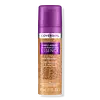
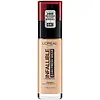
Covergirl Simply Ageless Skin Perfector Essence Foundation Versus L'Oreal Infallible Fresh Wear 24HR Foundation


What's inside
What's inside
 Key Ingredients
Benefits
Concerns
Ingredients Side-by-side
Water
Skin ConditioningGlycerin
Humectant



Hexyl Laurate
Emollient
Propanediol
Solvent
Octyldodecanol
Emollient
Pentylene Glycol
Skin ConditioningBenzyl Alcohol
Perfuming








Bakuchiol
Antimicrobial





Disteardimonium Hectorite
StabilisingAluminum Hydroxide
EmollientCarbomer
Emulsion StabilisingAmodimethicone

Propylene Carbonate
SolventTrisodium Ethylenediamine Disuccinate
Acrylates/C10-30 Alkyl Acrylate Crosspolymer
Emulsion StabilisingSodium Lauroyl Glutamate
Lysine
Skin ConditioningSodium Hydroxide
BufferingAlcaligenes Polysaccharides
EmollientMagnesium Chloride
Tranexamic Acid
Astringent
Water, Glycerin, Hexyl Laurate, Propanediol, Octyldodecanol, Pentylene Glycol, Benzyl Alcohol, Bakuchiol, Disteardimonium Hectorite, Aluminum Hydroxide, Carbomer, Amodimethicone, Propylene Carbonate, Trisodium Ethylenediamine Disuccinate, Acrylates/C10-30 Alkyl Acrylate Crosspolymer, Sodium Lauroyl Glutamate, Lysine, Sodium Hydroxide, Alcaligenes Polysaccharides, Magnesium Chloride, Tranexamic Acid
Ethylhexyl Methoxycinnamate 6.743%
UV Absorber

Titanium Dioxide 3.591%
Cosmetic Colorant
Water
Skin ConditioningDimethicone
Emollient
Isododecane
EmollientAlcohol Denat.
Antimicrobial
Butylene Glycol
Humectant
Trimethylsiloxysilicate
Emollient
PEG-10 Dimethicone
Skin Conditioning
Perlite
AbsorbentSynthetic Fluorphlogopite
Nylon-12
Isopropyl Lauroyl Sarcosinate
Skin ConditioningDiisopropyl Sebacate
EmollientDisteardimonium Hectorite
StabilisingHdi/Trimethylol Hexyllactone Crosspolymer
Bis-PEG/PPG-14/14 Dimethicone
Emollient
Magnesium Sulfate
Aluminum Hydroxide
EmollientPhenoxyethanol
Preservative
Disodium Stearoyl Glutamate
CleansingHydrogen Dimethicone
Dipentaerythrityl Tetrahydroxystearate/Tetraisostearate
Skin Conditioning
Parfum
Masking
Silica Silylate
EmollientAcrylonitrile/Methyl Methacrylate/Vinylidene Chloride Copolymer
Tocopherol
Antioxidant
Hexyl Cinnamal
Perfuming
Silica
Abrasive
Isobutane
Benzyl Salicylate
Perfuming
Linalool
Perfuming
Alpha-Isomethyl Ionone
Perfuming
Benzyl Alcohol
Perfuming
BHT
Antioxidant
Citronellol
Perfuming
Iron Oxides
CI 77510
Cosmetic ColorantEthylhexyl Methoxycinnamate 6.743%, Titanium Dioxide 3.591%, Water, Dimethicone, Isododecane, Alcohol Denat., Butylene Glycol, Trimethylsiloxysilicate, PEG-10 Dimethicone, Perlite, Synthetic Fluorphlogopite, Nylon-12, Isopropyl Lauroyl Sarcosinate, Diisopropyl Sebacate, Disteardimonium Hectorite, Hdi/Trimethylol Hexyllactone Crosspolymer, Bis-PEG/PPG-14/14 Dimethicone, Magnesium Sulfate, Aluminum Hydroxide, Phenoxyethanol, Disodium Stearoyl Glutamate, Hydrogen Dimethicone, Dipentaerythrityl Tetrahydroxystearate/Tetraisostearate, Parfum, Silica Silylate, Acrylonitrile/Methyl Methacrylate/Vinylidene Chloride Copolymer, Tocopherol, Hexyl Cinnamal, Silica, Isobutane, Benzyl Salicylate, Linalool, Alpha-Isomethyl Ionone, Benzyl Alcohol, BHT, Citronellol, Iron Oxides, CI 77510
Reviews
Ingredients Explained
These ingredients are found in both products.
Ingredients higher up in an ingredient list are typically present in a larger amount.
Aluminum Hydroxide is a form of aluminum. It can be naturally found in nature as the mineral gibbsite. In cosmetics, Aluminum Hydroxide is used as a colorant, pH adjuster, and absorbent.
As a colorant, Aluminum Hydroxide may add opacity, or reduce the transparency. Aluminum hydroxide is contains both basic and acidic properties.
According to manufacturers, this ingredient is an emollient and humectant. This means it helps hydrate the skin.
In medicine, this ingredient is used to help relieve heartburn and help heal ulcers.
There is currently no credible scientific evidence linking aluminum hydroxide in cosmetics to increased cancer risk.
Major health organizations allow the use of aluminum hydroxide in personal care products and have not flagged it as a carcinogenic risk at typical usage levels.
Learn more about Aluminum HydroxideBenzyl Alcohol is most commonly used as a preservative. It also has a subtle, sweet smell. Small amounts of Benzyl Alcohol is not irritating and safe to use in skincare products. Most Benzyl Alcohol is derived from fruits such as apricots.
Benzyl Alcohol has both antibacterial and antioxidant properties. These properties help lengthen the shelf life of products. Benzyl Alcohol is a solvent and helps dissolve other ingredients. It can also improve the texture and spreadability.
Alcohol comes in many different forms. Different types of alcohol will have different effects on skin. This ingredient is an astringent alcohol.
Using high concentrations of these alcohols are drying on the skin. They may strip away your skin's natural oils and even damage your skin barrier. Astringent alcohols may also irritate skin.
Other types of astringent alcohols include:
According to the National Rosacea Society based in the US, you should be mindful of products with these alcohols in the top half of ingredients.
Any type of sanitizing product will have high amounts of alcohol to help kill bacteria and viruses.
Learn more about Benzyl AlcoholDisteardimonium Hectorite comes from the clay mineral named hectorite. It is used to add thickness to a product.
It can also help stabilize a product by helping to disperse other ingredients.
Hectorite is a rare, white clay mineral.
Learn more about Disteardimonium HectoriteWater. It's the most common cosmetic ingredient of all. You'll usually see it at the top of ingredient lists, meaning that it makes up the largest part of the product.
So why is it so popular? Water most often acts as a solvent - this means that it helps dissolve other ingredients into the formulation.
You'll also recognize water as that liquid we all need to stay alive. If you see this, drink a glass of water. Stay hydrated!
Learn more about Water
