

What's inside
What's inside
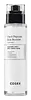 Key Ingredients
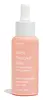
Benefits
Concerns
Ingredients Side-by-side
Water
Skin ConditioningDipropylene Glycol
HumectantGlycerin
Humectant


Pentylene Glycol
Skin Conditioning
1,2-Hexanediol
Skin Conditioning
Niacinamide
Smoothing









Acetyl Hexapeptide-8
Humectant
Copper Tripeptide-1
Skin Conditioning
Sh-Polypeptide-121
Skin Conditioning
Dipeptide Diaminobutyroyl Benzylamide Diacetate
Skin Conditioning
Oligopeptide-68
Bleaching
Palmitoyl Tripeptide-8
Skin Conditioning
Allantoin
Skin Conditioning
Sodium Hyaluronate
Humectant
Acetyl Glucosamine
Skin Conditioning
Serine
Masking
Alanine
Masking
Glycine
Buffering
Threonine
Arginine
Masking
Proline
Skin Conditioning
Betaine
Humectant
Sodium PCA
Humectant
Sodium Lactate
Buffering
PCA
Humectant
Glutamic Acid
Humectant
Lysine Hcl
Skin Conditioning
Tocopherol
Antioxidant

Dextran
Glycine Soja Oil
Emollient



Hydrogenated Lecithin
Emulsifying
Ammonium Acryloyldimethyltaurate/Vp Copolymer
Polyacrylate Crosspolymer-6
Emulsion StabilisingButylene Glycol
Humectant
Xanthan Gum
EmulsifyingEthylhexylglycerin
Skin ConditioningAdenosine
Skin Conditioning
Polyquaternium-51
Skin Conditioning
Disodium EDTA
Citric Acid
Buffering

Caprylyl Glycol
Emollient
T-Butyl Alcohol
Perfuming


Potassium Sorbate
Preservative
Sodium Oleate
CleansingWater, Dipropylene Glycol, Glycerin, Pentylene Glycol, 1,2-Hexanediol, Niacinamide, Acetyl Hexapeptide-8, Copper Tripeptide-1, Sh-Polypeptide-121, Dipeptide Diaminobutyroyl Benzylamide Diacetate, Oligopeptide-68, Palmitoyl Tripeptide-8, Allantoin, Sodium Hyaluronate, Acetyl Glucosamine, Serine, Alanine, Glycine, Threonine, Arginine, Proline, Betaine, Sodium PCA, Sodium Lactate, PCA, Glutamic Acid, Lysine Hcl, Tocopherol, Dextran, Glycine Soja Oil, Hydrogenated Lecithin, Ammonium Acryloyldimethyltaurate/Vp Copolymer, Polyacrylate Crosspolymer-6, Butylene Glycol, Xanthan Gum, Ethylhexylglycerin, Adenosine, Polyquaternium-51, Disodium EDTA, Citric Acid, Caprylyl Glycol, T-Butyl Alcohol, Potassium Sorbate, Sodium Oleate
Aloe Barbadensis Leaf Juice
Skin Conditioning
Water
Skin ConditioningPropanediol
Solvent
Panthenol
Skin Conditioning
Sodium Lactate
Buffering
Gluconolactone
Skin Conditioning
Sodium Hyaluronate
Humectant
Hydrolyzed Sodium Hyaluronate
Skin Conditioning
Sodium Acetylated Hyaluronate
Humectant
Sodium Hyaluronate Crosspolymer
Humectant
Acetyl Hexapeptide-8
Humectant
Sodium PCA
Humectant
Diutan Gum
Carrageenan
Pentylene Glycol
Skin Conditioning
Caprylyl Glycol
Emollient
Sodium Benzoate
Masking
Pantolactone
Humectant
Ethylhexylglycerin
Skin ConditioningGlucose
Humectant
Calcium Gluconate
HumectantSodium Hydroxide
BufferingLactic Acid
Buffering
Aloe Barbadensis Leaf Juice, Water, Propanediol, Panthenol, Sodium Lactate, Gluconolactone, Sodium Hyaluronate, Hydrolyzed Sodium Hyaluronate, Sodium Acetylated Hyaluronate, Sodium Hyaluronate Crosspolymer, Acetyl Hexapeptide-8, Sodium PCA, Diutan Gum, Carrageenan, Pentylene Glycol, Caprylyl Glycol, Sodium Benzoate, Pantolactone, Ethylhexylglycerin, Glucose, Calcium Gluconate, Sodium Hydroxide, Lactic Acid
Reviews
Ingredients Explained
These ingredients are found in both products.
Ingredients higher up in an ingredient list are typically present in a larger amount.
Acetyl Hexapeptide-8, commonly known as Argireline or Acetyl Hexapeptide-3, is a popular peptide in skincare. It’s often referred to as a “Botox-like” ingredient because it helps reduce muscle movement.
By relaxing these micro-movements, Argireline may help minimize the appearance of fine lines and wrinkles. That said, it’s not as powerful as Botox, and research on its long-term effectiveness is still limited.
Beyond smoothing, Argireline may also support collagen production. Collagen is the protein that helps keep your skin firm, bouncy, and well-hydrated by strengthening the skin barrier.
So while Argireline isn’t a miracle fix, it can be a helpful addition to a routine focused on both prevention and skin health.
Read more about other common types of peptides here:
Learn more about Acetyl Hexapeptide-8Caprylyl Glycol is a humectant, skin conditioner, emollient, and preservative booster derived from either caprylic acid or synthetically created.
Typical use levels vary from 0.3-1% as a preservative booster and go up to 2% to condition skin.
Because it is not a free-fatty acid or alcohol, this ingredient is fungal acne safe (there's nothing for Malassezia to feed on).
Learn more about Caprylyl GlycolEthylhexylglycerin is created from glycerin. It is a multitasker ingredient that:
The CIR Expert Panel found minimal skin absorption or sensitization of any kind in a safety assessment. Though this ingredient is considered well-tolerated, a small number of cases of allergic dermatitis have been published since 2002. Just be sure to patch test if you are unsure.
Industry-reported use ranges from 8% in rinse-off products and 2% in leave-on formulations.
Learn more about EthylhexylglycerinPentylene glycol is typically used within a product to thicken it. It also adds a smooth, soft, and moisturizing feel to the product. It is naturally found in plants such as sugar beets.
The hydrophilic trait of Pentylene Glycol makes it a humectant. As a humectant, Pentylene Glycol helps draw moisture from the air to your skin. This can help keep your skin hydrated.
This property also makes Pentylene Glycol a great texture enhancer. It can also help thicken or stabilize a product.
Pentylene Glycol also acts as a mild preservative and helps to keep a product microbe-free.
Some people may experience mild eye and skin irritation from Pentylene Glycol. We always recommend speaking with a professional about using this ingredient in your routine.
Pentylene Glycol has a low molecular weight and is part of the 1,2-glycol family.
Learn more about Pentylene GlycolSodium Hyaluronate is the salt form of hyaluronic acid. It is a long sugar chain that is naturally found in your skin, joints, and connective tissue that maintains hydration and elasticity.
In skincare, it works as a humectant. It pulls water from the environment and deeper layers of skin and binds it to the surface.
Interestingly, the size of the molecule affects its behavior:
Some clinical evidence links low molecular weight versions to improved wrinkle depth, elasticity, anti-inflammatory effects, and barrier repair.
Many serums use a blend of both weights so you can get surface hydration plus longer-lasting and deeper effects.
You'll typically see concentrations between 0.1-2% for this ingredient.
Learn more about Sodium HyaluronateSodium Lactate is the sodium salt of lactic acid, an AHA. It is a humectant and sometimes used to adjust the pH of a product.
This ingredient is part of our skin's NMF, or natural moisturizing factor. Our NMF is essential for the hydration of our top skin layers and plasticity of skin. NMF also influences our skin's natural acid mantle and pH, which protects our skin from harmful bacteria.
High percentages of Sodium Lactate can have an exfoliating effect.
Fun fact: Sodium Lactate is produced from fermented sugar.
Learn more about Sodium LactateSodium PCA is the sodium salt of pyroglutamic acid. It is naturally occurring in our skin's natural moisturizing factors where it works to maintain hydration.
The PCA stands for pyrrolidone carboxylic acid, a natural amino acid derivative.
This ingredient has skin conditioning, anti-inflammatory, and humectant properties. Humectants help hydrate your skin by drawing moisture from the air. This helps keep your skin moisturized.
Learn more about Sodium PCAWater. It's the most common cosmetic ingredient of all. You'll usually see it at the top of ingredient lists, meaning that it makes up the largest part of the product.
So why is it so popular? Water most often acts as a solvent - this means that it helps dissolve other ingredients into the formulation.
You'll also recognize water as that liquid we all need to stay alive. If you see this, drink a glass of water. Remember to stay hydrated!
Learn more about Water
