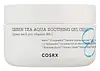
This calming moisturizer is formulated around Camellia Sinensis Leaf Extract and Panthenol to calm redness and hydrate skin.
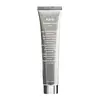
This calming moisturizer is formulated around Zinc Oxide and Panthenol to calm redness and strengthen the skin barrier.

What's inside
What's inside
 Key Ingredients
Benefits
Concerns
Ingredients Side-by-side
Water
Skin ConditioningPropanediol
Solvent

Camellia Sinensis Leaf Extract
Antimicrobial






Glycerin
Humectant
Pentylene Glycol
Skin Conditioning
1,2-Hexanediol
Skin Conditioning
Acrylates/C10-30 Alkyl Acrylate Crosspolymer
Emulsion StabilisingPanthenol
Skin Conditioning
Tromethamine
BufferingButylene Glycol
Humectant
Cetearyl Olivate


Sorbitan Olivate
Emulsifying
Allantoin
Skin Conditioning
Aloe Ferox Leaf Extract
Skin ConditioningEthylhexylglycerin
Skin ConditioningGlyceryl Acrylate/Acrylic Acid Copolymer
HumectantDisodium EDTA
Hydrolyzed Hibiscus Esculentus Extract
Skin ConditioningLupinus Albus Seed Extract
Skin ConditioningMoringa Oleifera Seed Extract
Skin Conditioning
Melia Azadirachta Leaf Extract
Skin ConditioningMelia Azadirachta Flower Extract
Skin ConditioningWater, Propanediol, Camellia Sinensis Leaf Extract, Glycerin, Pentylene Glycol, 1,2-Hexanediol, Acrylates/C10-30 Alkyl Acrylate Crosspolymer, Panthenol, Tromethamine, Butylene Glycol, Cetearyl Olivate, Sorbitan Olivate, Allantoin, Aloe Ferox Leaf Extract, Ethylhexylglycerin, Glyceryl Acrylate/Acrylic Acid Copolymer, Disodium EDTA, Hydrolyzed Hibiscus Esculentus Extract, Lupinus Albus Seed Extract, Moringa Oleifera Seed Extract, Melia Azadirachta Leaf Extract, Melia Azadirachta Flower Extract
Water
Skin ConditioningHydrogenated Polyisobutene
EmollientDimethicone
Emollient
Glycerin
Humectant
Propanediol
Solvent
Zinc Oxide
Cosmetic Colorant

Panthenol
Skin Conditioning
Pentylene Glycol
Skin Conditioning
Polyglyceryl-4 Diisostearate/Polyhydroxystearate/Sebacate
Emulsifying
Cetyl PEG/PPG-10/1 Dimethicone
Emulsifying
1,2-Hexanediol
Skin Conditioning
Hydrolyzed Hibiscus Esculentus Extract
Skin ConditioningLupinus Albus Seed Extract
Skin ConditioningMoringa Oleifera Seed Extract
Skin Conditioning
Theobroma Cacao Seed Extract
Antioxidant
Argania Spinosa Kernel Oil
Emollient

Centella Asiatica Extract
Cleansing
Houttuynia Cordata Extract
Skin Conditioning
Hippophae Rhamnoides Fruit Oil
Skin Protecting
Aluminum Starch Octenylsuccinate
Absorbent
Magnesium Sulfate
Trihydroxystearin
Skin Conditioning
Ethylhexylglycerin
Skin ConditioningGlyceryl Caprylate
EmollientSodium Citrate
BufferingDextrin
AbsorbentButylene Glycol
Humectant
Caprylic/Capric Triglyceride
Masking
Water, Hydrogenated Polyisobutene, Dimethicone, Glycerin, Propanediol, Zinc Oxide, Panthenol, Pentylene Glycol, Polyglyceryl-4 Diisostearate/Polyhydroxystearate/Sebacate, Cetyl PEG/PPG-10/1 Dimethicone, 1,2-Hexanediol, Hydrolyzed Hibiscus Esculentus Extract, Lupinus Albus Seed Extract, Moringa Oleifera Seed Extract, Theobroma Cacao Seed Extract, Argania Spinosa Kernel Oil, Centella Asiatica Extract, Houttuynia Cordata Extract, Hippophae Rhamnoides Fruit Oil, Aluminum Starch Octenylsuccinate, Magnesium Sulfate, Trihydroxystearin, Ethylhexylglycerin, Glyceryl Caprylate, Sodium Citrate, Dextrin, Butylene Glycol, Caprylic/Capric Triglyceride
Reviews
Ingredients Explained
These ingredients are found in both products.
Ingredients higher up in an ingredient list are typically present in a larger amount.
1,2-Hexanediol is a synthetic liquid and another multi-functional powerhouse.
It is a:
- Humectant, drawing moisture into the skin
- Emollient, helping to soften skin
- Solvent, dispersing and stabilizing formulas
- Preservative booster, enhancing the antimicrobial activity of other preservatives
Butylene Glycol (or BG) is used within cosmetic products for a few different reasons:
Overall, Butylene Glycol is a safe and well-rounded ingredient that works well with other ingredients.
Though this ingredient works well with most skin types, some people with sensitive skin may experience a reaction such as allergic rashes, closed comedones, or itchiness.
Learn more about Butylene GlycolEthylhexylglycerin is created from glycerin. It is a multitasker ingredient that:
The CIR Expert Panel found minimal skin absorption or sensitization of any kind in a safety assessment. Though this ingredient is considered well-tolerated, a small number of cases of allergic dermatitis have been published since 2002. Just be sure to patch test if you are unsure.
Industry-reported use ranges from 8% in rinse-off products and 2% in leave-on formulations.
Learn more about EthylhexylglycerinGlycerin (or glycerol) is a compound naturally found in your skin. It's a powerhouse humectant that pulls water into the stratum corneum.
Topically, glycerin does several things at once:
Your skin makes glycerin on its own (mostly from sebaceous oil breakdown) and shuttles it to your outermost layer of skin, or your epidermis, via aquaporin-3.
Aquaporin-3 is a transporter that is essential for normal skin hydration, elasticity, and repair. Interestingly, mice lacking in AQP3 have dry and less elastic skin that can be fully corrected with glycerin.
This ingredient is non-irritating, plays well with almost every ingredient, and works across all skin types. Typical use is anywhere between 3-10% but can go up to 79% in some leave-on products.
Just know very high concentrations (>40%) can feel tacky in low humidity.
Glycerin is the name for this ingredient in American English. British English uses Glycerol/Glycerine.
Learn more about GlycerinWe don't have a description for Hydrolyzed Hibiscus Esculentus Extract yet.
Lupinus Albus Seed Extract comes from the seeds of the white lupin, a legume. It is a skin conditioning ingredient that supports barrier function.
The seeds of lupin contains peptides; these peptides can block the enzymes in your skin that break down collagen and elastin.
Studies on skin tissue have also shown that it can stimulate collagen and protein production in skin. On the brightening side, this extract has been shown to interfere with the melanin production process to help brighten dark spots.
A manufacturer clinical study has also reported improvements in skin sagging and fine-lines after 12 weeks.
Those with a legume allergy might want to reconsider this ingredient, and products containing this ingredient are subject to allergen labeling requirements.
Learn more about Lupinus Albus Seed ExtractMoringa Oleifera Seed Extract comes from the seeds of the Moringa oleifera plant.
Moringa seeds have antioxidant, anti-inflammatory, and skin hydrating properties. These seeds are rich in oils, proteins, monounsaturated fats, and tocopherols.
As an emollient, moringa seed oil helps trap moisture in the skin by creating a film on top. This helps keep your skin hydrated and soft.
Many compounds in moringa seed oil are antioxidant and anti-inflammatory. These compounds include Vitamin E. , catechins, ferulic acid, and more.
Another compound found in Moringa seed oil is oleic acid.
Moringa trees are native to the Himalayan mountains.
Learn more about Moringa Oleifera Seed ExtractPanthenol is a common ingredient that helps hydrate and soothe the skin. It is found naturally in our skin and hair.
There are two forms of panthenol: D and L.
D-panthenol is also known as dexpanthenol. Most cosmetics use dexpanthenol or a mixture of D and L-panthenol.
Panthenol is famous due to its ability to go deeper into the skin's layers. Using this ingredient has numerous pros (and no cons):
Like hyaluronic acid, panthenol is a humectant. Humectants are able to bind and hold large amounts of water to keep skin hydrated.
This ingredient works well for wound healing. It works by increasing tissue in the wound and helps close open wounds.
Once oxidized, panthenol converts to pantothenic acid. Panthothenic acid is found in all living cells.
This ingredient is also referred to as pro-vitamin B5.
Learn more about PanthenolPentylene Glycol (1,2-pentanediol) is a multitasking little diol with three main roles in a formula:
Research on alkanediols (the family pentylene glycol belongs to) show they work by disrupting microbial cell membranes. This disruption helps the primary preservative system in a product work more effectively at lower doses.
On the safety side, the Cosmetic Ingredient Review Expert Panel has concluded this ingredient to be safe as used in current cosmetic practices + concentrations.
Typical use levels in a formula run about 1-5%.
Learn more about Pentylene GlycolPropanediol is an all-star ingredient. It softens, hydrates, and smooths the skin.
It’s often used to:
Propanediol is not likely to cause sensitivity and considered safe to use. It is derived from corn or petroleum with a clear color and no scent.
Learn more about PropanediolWater. It's the most common cosmetic ingredient of all. You'll usually see it at the top of ingredient lists, meaning that it makes up the largest part of the product.
So why is it so popular? Water most often acts as a solvent - this means that it helps dissolve other ingredients into the formulation.
You'll also recognize water as that liquid we all need to stay alive. If you see this, drink a glass of water. Remember to stay hydrated!
Learn more about Water

