
What's inside
What's inside
 Key Ingredients
Benefits
Concerns
Ingredients Side-by-side
Snail Secretion Filtrate
Skin Conditioning





Betaine
Humectant
Caprylic/Capric Triglyceride
Masking
Butylene Glycol
Humectant
Cetearyl Olivate

Sorbitan Olivate
Emulsifying
Cetearyl Alcohol
Emollient


Carbomer
Emulsion StabilisingEthyl Hexanediol
SolventPhenoxyethanol
Preservative
Arginine
Masking
Dimethicone
Emollient
Sodium Polyacrylate
Absorbent
Sodium Hyaluronate
Humectant

Allantoin
Skin Conditioning
Palmitic Acid
Emollient
Panthenol
Skin Conditioning
Xanthan Gum
EmulsifyingStearic Acid
Cleansing
Adenosine
Skin Conditioning
Water
Skin ConditioningMyristic Acid
Cleansing
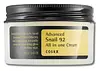
Snail Secretion Filtrate, Betaine, Caprylic/Capric Triglyceride, Butylene Glycol, Cetearyl Olivate, Sorbitan Olivate, Cetearyl Alcohol, Carbomer, Ethyl Hexanediol, Phenoxyethanol, Arginine, Dimethicone, Sodium Polyacrylate, Sodium Hyaluronate, Allantoin, Palmitic Acid, Panthenol, Xanthan Gum, Stearic Acid, Adenosine, Water, Myristic Acid
Water
Skin ConditioningCitrullus Lanatus Fruit Extract
Skin Conditioning
Glycerin
Humectant
Dimethicone
Emollient
Butylene Glycol
Humectant
Phenyl Trimethicone
Skin Conditioning
Sorbitol
Humectant
Moringa Oleifera Seed Oil
Emollient
Hamamelis Virginiana Leaf Extract
Skin Conditioning
Hydrangea Serrata Leaf Extract
Skin ConditioningAloe Barbadensis Flower Extract
EmollientCeramide NP
Skin Conditioning
Aloe Barbadensis Leaf Extract
Emollient
Sodium Hyaluronate
Humectant
Mel Extract
MoisturisingHedera Helix Leaf Extract
Skin ConditioningMorinda Citrifolia Leaf Extract
Skin ConditioningSolanum Melongena Fruit Extract
Skin ConditioningButyrospermum Parkii Butter
Skin Conditioning
Curcuma Longa Root Extract
Masking
Coral Extract
Skin ConditioningOcimum Basilicum Leaf Extract
Skin ConditioningPhytosphingosine
Skin Conditioning
Glucose
Humectant
Tocopherol
Antioxidant



Hydrogenated Lecithin
Emulsifying
1,2-Hexanediol
Skin Conditioning
Trehalose
Humectant
Hydroxyacetophenone
Antioxidant
Acrylates/C10-30 Alkyl Acrylate Crosspolymer
Emulsion StabilisingTromethamine
BufferingAmmonium Acryloyldimethyltaurate/Vp Copolymer
Glyceryl Acrylate/Acrylic Acid Copolymer
HumectantCaprylyl Glycol
Emollient
Octyldecanol
Emollient
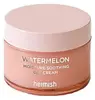
Water, Citrullus Lanatus Fruit Extract, Glycerin, Dimethicone, Butylene Glycol, Phenyl Trimethicone, Sorbitol, Moringa Oleifera Seed Oil, Hamamelis Virginiana Leaf Extract, Hydrangea Serrata Leaf Extract, Aloe Barbadensis Flower Extract, Ceramide NP, Aloe Barbadensis Leaf Extract, Sodium Hyaluronate, Mel Extract, Hedera Helix Leaf Extract, Morinda Citrifolia Leaf Extract, Solanum Melongena Fruit Extract, Butyrospermum Parkii Butter, Curcuma Longa Root Extract, Coral Extract, Ocimum Basilicum Leaf Extract, Phytosphingosine, Glucose, Tocopherol, Hydrogenated Lecithin, 1,2-Hexanediol, Trehalose, Hydroxyacetophenone, Acrylates/C10-30 Alkyl Acrylate Crosspolymer, Tromethamine, Ammonium Acryloyldimethyltaurate/Vp Copolymer, Glyceryl Acrylate/Acrylic Acid Copolymer, Caprylyl Glycol, Octyldecanol
Reviews
Ingredients Explained
These ingredients are found in both products.
Ingredients higher up in an ingredient list are typically present in a larger amount.
Butylene Glycol (or BG) is used within cosmetic products for a few different reasons:
Overall, Butylene Glycol is a safe and well-rounded ingredient that works well with other ingredients.
Though this ingredient works well with most skin types, some people with sensitive skin may experience a reaction such as allergic rashes, closed comedones, or itchiness.
Learn more about Butylene GlycolDimethicone is a type of synthetic silicone created from natural materials such as quartz. It is also known as polydimethylsiloxane.
What it does:
Dimethicone comes in different viscosities:
Depending on the viscosity, dimethicone has different properties.
Ingredients lists don't always show which type is used, so we recommend reaching out to the brand if you have questions about the viscosity.
This ingredient is unlikely to cause irritation because it does not get absorbed into skin. However, people with silicone allergies should be careful about using this ingredient.
Note: Dimethicone may contribute to pilling. This is because it is not oil or water soluble, so pilling may occur when layered with products. When mixed with heavy oils in a formula, the outcome is also quite greasy.
Learn more about DimethiconeSodium Hyaluronate is the salt form of hyaluronic acid. It is a long sugar chain that is naturally found in your skin, joints, and connective tissue that maintains hydration and elasticity.
In skincare, it works as a humectant. It pulls water from the environment and deeper layers of skin and binds it to the surface.
Interestingly, the size of the molecule affects its behavior:
Some clinical evidence links low molecular weight versions to improved wrinkle depth, elasticity, anti-inflammatory effects, and barrier repair.
Many serums use a blend of both weights so you can get surface hydration plus longer-lasting and deeper effects.
You'll typically see concentrations between 0.1-2% for this ingredient.
Learn more about Sodium HyaluronateWater. It's the most common cosmetic ingredient of all. You'll usually see it at the top of ingredient lists, meaning that it makes up the largest part of the product.
So why is it so popular? Water most often acts as a solvent - this means that it helps dissolve other ingredients into the formulation.
You'll also recognize water as that liquid we all need to stay alive. If you see this, drink a glass of water. Remember to stay hydrated!
Learn more about Water
