

What's inside
What's inside
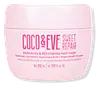 Key Ingredients
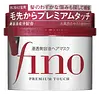
Benefits
Concerns
Ingredients Side-by-side
Water
Skin ConditioningCetearyl Alcohol
Emollient






Cetrimonium Chloride
Antimicrobial
Ananas Sativus Fruit Extract
Skin ConditioningPsidium Guajava Fruit Extract
AstringentCocos Nucifera Fruit Extract
Emollient
Musa Sapientum Fruit Extract
Skin ConditioningHydrolyzed Pea Protein
EmollientPseudozyma Epicola/Argania Spinosa Kernel Oil/Camellia Japonica Seed Oil/Camellia Sinensis Seed Oil/Sunflower Seed Oil/Sweet Almond Oil Ferment Extract

Ficus Carica Fruit Extract
Humectant
Nephelium Lappaceum Branch/Fruit/Leaf Extract
Skin ConditioningHydrolyzed Rice Protein
Skin ConditioningPersea Gratissima Oil
Skin Conditioning
Hydrolyzed Hyaluronic Acid
Humectant


Hydrolyzed Hemp Seed Extract
Skin ConditioningSodium Hyaluronate
Humectant

Behentrimonium Chloride
Preservative
Ethylhexyl Palmitate
Emollient
Guar Hydroxypropyltrimonium Chloride
Skin ConditioningGlyceryl Stearate
Emollient
Dipalmitoylethyl Hydroxyethylmonium Methosulfate
Potassium Sorbate
Preservative
Behenyl/Stearyl Aminopropanediol Esters
Propylene Glycol
Humectant
Quaternium-80
Glycerin
Humectant
Citric Acid
Buffering

Tocopherol
Antioxidant


Parfum
Masking


CI 17200
Cosmetic ColorantCI 19140
Cosmetic ColorantBenzyl Alcohol
Perfuming

Hexyl Cinnamal
Perfuming
Benzoic Acid
Masking
Tetrasodium Glutamate Diacetate
ChelatingSorbic Acid
Preservative
Coumarin
Perfuming
Water, Cetearyl Alcohol, Cetrimonium Chloride, Ananas Sativus Fruit Extract, Psidium Guajava Fruit Extract, Cocos Nucifera Fruit Extract, Musa Sapientum Fruit Extract, Hydrolyzed Pea Protein, Pseudozyma Epicola/Argania Spinosa Kernel Oil/Camellia Japonica Seed Oil/Camellia Sinensis Seed Oil/Sunflower Seed Oil/Sweet Almond Oil Ferment Extract, Ficus Carica Fruit Extract, Nephelium Lappaceum Branch/Fruit/Leaf Extract, Hydrolyzed Rice Protein, Persea Gratissima Oil, Hydrolyzed Hyaluronic Acid, Hydrolyzed Hemp Seed Extract, Sodium Hyaluronate, Behentrimonium Chloride, Ethylhexyl Palmitate, Guar Hydroxypropyltrimonium Chloride, Glyceryl Stearate, Dipalmitoylethyl Hydroxyethylmonium Methosulfate, Potassium Sorbate, Behenyl/Stearyl Aminopropanediol Esters, Propylene Glycol, Quaternium-80, Glycerin, Citric Acid, Tocopherol, Parfum, CI 17200, CI 19140, Benzyl Alcohol, Hexyl Cinnamal, Benzoic Acid, Tetrasodium Glutamate Diacetate, Sorbic Acid, Coumarin
Water
Skin ConditioningSorbitol
Humectant
Dimethicone
Emollient
Hydrogenated Rapeseed Oil
Emollient
Isopentyldiol
Humectant
Behentrimonium Chloride
Preservative
Amodimethicone
Hydroxypropyl Arginine Lauryl/Myristyl Ether Hcl
Skin ConditioningDihydroxyethyl Stearyl Glycinate
Glutamic Acid
Humectant
Trehalose
Humectant
Squalane
Emollient
Steartrimonium Chloride
Preservative
PEG-90m
Emulsion StabilisingPCA
Humectant
Phytosteryl/Octyldodecyl Lauroyl Glutamate
Skin ConditioningHydrolyzed Wheat Protein
Skin ConditioningPolyquaternium-64
Hydrolyzed Silk Gland Powder
HumectantRoyal Jelly Extract
Skin Conditioning
Isopropyl Alcohol
Solvent
Cetyl Alcohol
Emollient
Octyldodecanol
Emollient
Alcohol
Antimicrobial
Propylene Glycol
Humectant
Butylene Glycol
Humectant
Tocopherol
Antioxidant
Phenoxyethanol
Preservative
Sodium Benzoate
Masking
Parfum
Masking
CI 15985
Cosmetic ColorantWater, Sorbitol, Dimethicone, Hydrogenated Rapeseed Oil, Isopentyldiol, Behentrimonium Chloride, Amodimethicone, Hydroxypropyl Arginine Lauryl/Myristyl Ether Hcl, Dihydroxyethyl Stearyl Glycinate, Glutamic Acid, Trehalose, Squalane, Steartrimonium Chloride, PEG-90m, PCA, Phytosteryl/Octyldodecyl Lauroyl Glutamate, Hydrolyzed Wheat Protein, Polyquaternium-64, Hydrolyzed Silk Gland Powder, Royal Jelly Extract, Isopropyl Alcohol, Cetyl Alcohol, Octyldodecanol, Alcohol, Propylene Glycol, Butylene Glycol, Tocopherol, Phenoxyethanol, Sodium Benzoate, Parfum, CI 15985
Reviews
Ingredients Explained
These ingredients are found in both products.
Ingredients higher up in an ingredient list are typically present in a larger amount.
This ingredient is a preservative and often used for it's anti-static properties. You'll most likely see this ingredient in hair conditioners.
It does not cause irritation or sensitization in leave-on products at 1-5%.
Parfum is a catch-all term for an ingredient or more that is used to give a scent to products.
Also called "fragrance", this ingredient can be a blend of hundreds of chemicals or plant oils. This means every product with "fragrance" or "parfum" in the ingredients list is a different mixture.
For instance, Habanolide is a proprietary trade name for a specific aroma chemical. When used as a fragrance ingredient in cosmetics, most aroma chemicals fall under the broad labeling category of “FRAGRANCE” or “PARFUM” according to EU and US regulations.
The term 'parfum' or 'fragrance' is not regulated in many countries. In many cases, it is up to the brand to define this term.
For instance, many brands choose to label themselves as "fragrance-free" because they are not using synthetic fragrances. However, their products may still contain ingredients such as essential oils that are considered a fragrance by INCI standards.
One example is Calendula flower extract. Calendula is an essential oil that still imparts a scent or 'fragrance'.
Depending on the blend, the ingredients in the mixture can cause allergies and sensitivities on the skin. Some ingredients that are known EU allergens include linalool and citronellol.
Parfum can also be used to mask or cover an unpleasant scent.
The bottom line is: not all fragrances/parfum/ingredients are created equally. If you are worried about fragrances, we recommend taking a closer look at an ingredient. And of course, we always recommend speaking with a professional.
Learn more about ParfumPropylene Glycol is a synthetic, colorless, odorless liquid that has been a staple in cosmetics for decades. It is a skin conditioning agent, humectant, and solvent.
As a humectant, it draw water to the skin to reduce flaking and restore suppleness. It's also a solvent that helps dissolve other actives and keeps formulas stable across temperature changes.
The CIR Expert Panel has confirmed this ingredient to be nontoxic and clinical studies show no sensitization at cosmetic use concentrations.
True allergic reactions are quite rare: a 15-year retrospective study of 6,751 patients found only 0.31% had a positive reaction (and less than half were considered clinically relevant).
It seemed that when sensitization does occur, it's most commonly linked to topical medication (like corticosteroids) and not cosmetics. Allergic contact dermatitis also appears largely limited to individuals with underlying skin conditions.
Overall, propylene glycol is a well-studied ingredient that most people can tolerate without issue.
Learn more about Propylene GlycolTocopherol is a fat-soluble antioxidant known as Vitamin E.
You'll find this ingredient in the vast majority of skincare (for good reason). It works to neutralize free radicals, or unstable molecules generated by UV exposure, pollution, and other environmental stressors, before they can cause oxidative damage to your skin cells.
Topically applied tocopherol has been shown to protect against UV damage by ramping up the skin's own natural defense enzymes.
It also acts as a skin conditioning agent; some studies show that regular topical use can improve the skin's water-binding capacity over 2-4 weeks.
This ingredient is especially loved for being a team player. When combined with Vitamin C, the photoprotective effect of both ingredients roughly doubles and the combo also helps reduce UV-induced DNA damage.
This ingredient has some brightening potential but it's more of a prevention ingredient than spot-fader. Cell studies show it can slow down melanin production but it's worth noting that it's not the most powerful brightener out there.
In formulations, it also serves as a stabilizer that helps protect other oxidation-prone ingredients from degrading.
Concentrations usually range from 0.1-1% in most leave-on products.
Learn more about TocopherolWater. It's the most common cosmetic ingredient of all. You'll usually see it at the top of ingredient lists, meaning that it makes up the largest part of the product.
So why is it so popular? Water most often acts as a solvent - this means that it helps dissolve other ingredients into the formulation.
You'll also recognize water as that liquid we all need to stay alive. If you see this, drink a glass of water. Remember to stay hydrated!
Learn more about Water

