Clinique Moisture Surge 100H Auto-Replenishing Hydrator Versus Banila Co Dear Hydration Intense Essence
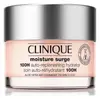
This barrier-repair moisturizer is formulated around Sodium Hyaluronate and Aloe Barbadensis Leaf Extract to strengthen the skin barrier and hydrate skin.
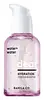
This hydrating essence is formulated around Chondrus Crispus Extract and Panthenol to hydrate skin and strengthen the skin barrier.


What's inside
What's inside
 Key Ingredients
Benefits
Concerns
Ingredients Side-by-side
Water
Skin ConditioningDimethicone
Emollient

Butylene Glycol
Humectant

Glycerin
Humectant
Trisiloxane
Skin Conditioning
Trehalose
Humectant
Saccharomyces Lysate Extract
Humectant

Sodium Hyaluronate
Humectant

Aloe Barbadensis Leaf Extract
Emollient
Aloe Barbadensis Leaf Water
MaskingSilybum Marianum Extract
Skin Conditioning
Camellia Sinensis Leaf Extract
Antimicrobial



Aloe Barbadensis Leaf Polysaccharides
Emollient
Sorbitol
Humectant
Sodium Polyaspartate
HumectantCaffeine
Skin Conditioning
Thermus Thermophillus Ferment
Skin ConditioningLactobacillus Ferment Lysate
Skin Conditioning
Palmitoyl Hexapeptide-12
Skin Conditioning
Caprylyl Glycol
Emollient
Sucrose
Humectant
Hydroxyethyl Urea
Humectant
Ammonium Acryloyldimethyltaurate/Vp Copolymer
Oleth-10
EmulsifyingAcrylates/C10-30 Alkyl Acrylate Crosspolymer
Emulsion StabilisingSaccharide Isomerate
Humectant
Hydrogenated Lecithin
Emulsifying
Tromethamine
BufferingGlyceryl Polymethacrylate
Disodium EDTA
ChelatingPEG-8
HumectantHexylene Glycol
EmulsifyingCitric Acid
Buffering
Sodium Citrate
BufferingTocopheryl Acetate
Antioxidant
BHT
Antioxidant
Magnesium Ascorbyl Phosphate
Antioxidant

Phenoxyethanol
Preservative
Sodium Benzoate
Masking
Potassium Sorbate
Preservative
CI 14700
Cosmetic ColorantCI 19140
Cosmetic ColorantWater, Dimethicone, Butylene Glycol, Glycerin, Trisiloxane, Trehalose, Saccharomyces Lysate Extract, Sodium Hyaluronate, Aloe Barbadensis Leaf Extract, Aloe Barbadensis Leaf Water, Silybum Marianum Extract, Camellia Sinensis Leaf Extract, Aloe Barbadensis Leaf Polysaccharides, Sorbitol, Sodium Polyaspartate, Caffeine, Thermus Thermophillus Ferment, Lactobacillus Ferment Lysate, Palmitoyl Hexapeptide-12, Caprylyl Glycol, Sucrose, Hydroxyethyl Urea, Ammonium Acryloyldimethyltaurate/Vp Copolymer, Oleth-10, Acrylates/C10-30 Alkyl Acrylate Crosspolymer, Saccharide Isomerate, Hydrogenated Lecithin, Tromethamine, Glyceryl Polymethacrylate, Disodium EDTA, PEG-8, Hexylene Glycol, Citric Acid, Sodium Citrate, Tocopheryl Acetate, BHT, Magnesium Ascorbyl Phosphate, Phenoxyethanol, Sodium Benzoate, Potassium Sorbate, CI 14700, CI 19140
Water
Skin ConditioningMethylpropanediol
SolventGlycerin
Humectant
Dipropylene Glycol
Humectant1,2-Hexanediol
Skin Conditioning
Chondrus Crispus Extract
Skin Conditioning

Saccharum Officinarum Extract
MoisturisingCarbomer
Emulsion StabilisingPanthenol
Skin Conditioning
Trehalose
Humectant
Polyglyceryl-10 Laurate
Skin Conditioning
Polyglyceryl-10 Myristate
Skin Conditioning
Ammonium Acryloyldimethyltaurate/Vp Copolymer
Tromethamine
BufferingEthylhexylglycerin
Skin ConditioningGlyceryl Acrylate/Acrylic Acid Copolymer
HumectantParfum
Masking


Disodium EDTA
ChelatingButylene Glycol
Humectant
Phenoxyethanol
Preservative
Bambusa Arundinacea Juice
Abrasive
Nelumbo Nucifera Flower Water
TonicYeast Extract
Skin ConditioningPropylene Glycol
Humectant
Pinus Sylvestris Bud Extract
Perfuming
Ocimum Sanctum Leaf Extract
Skin ConditioningAzadirachta Indica Leaf Extract
Skin ConditioningMentha Arvensis Extract
MaskingWater, Methylpropanediol, Glycerin, Dipropylene Glycol, 1,2-Hexanediol, Chondrus Crispus Extract, Saccharum Officinarum Extract, Carbomer, Panthenol, Trehalose, Polyglyceryl-10 Laurate, Polyglyceryl-10 Myristate, Ammonium Acryloyldimethyltaurate/Vp Copolymer, Tromethamine, Ethylhexylglycerin, Glyceryl Acrylate/Acrylic Acid Copolymer, Parfum, Disodium EDTA, Butylene Glycol, Phenoxyethanol, Bambusa Arundinacea Juice, Nelumbo Nucifera Flower Water, Yeast Extract, Propylene Glycol, Pinus Sylvestris Bud Extract, Ocimum Sanctum Leaf Extract, Azadirachta Indica Leaf Extract, Mentha Arvensis Extract
Reviews
Ingredients Explained
These ingredients are found in both products.
Ingredients higher up in an ingredient list are typically present in a larger amount.
Ammonium Acryloyldimethyltaurate/Vp Copolymer is a synthetically created polymer. It's used as a film-forming agent and used to thicken the consistency of products.
Think of it as a supportive ingredient that helps your gel-creams feel silky, "cloud cream-like", and spread evenly without being greasy.
The Cosmetic Ingredient Review (CIR) Expert Panel evaluated it (along with 22 other acryloyldimethyltaurate polymers) and concluded it's:
Due to its large molecular size, it sits on the surface of skin rather than penetrating it.
Learn more about Ammonium Acryloyldimethyltaurate/Vp CopolymerButylene Glycol (or BG) is used within cosmetic products for a few different reasons:
Overall, Butylene Glycol is a safe and well-rounded ingredient that works well with other ingredients.
Though this ingredient works well with most skin types, some people with sensitive skin may experience a reaction such as allergic rashes, closed comedones, or itchiness.
Learn more about Butylene GlycolDisodium EDTA is a chelating agent. It grabs onto and deactivates metal ions that sneak into your products from water, packaging, or air.
This ingredient mainly works behind the scenes and helps with:
On top of that, this ingredient can counteract the effects of hard water by binding to the minerals in it.
One thing worth knowing is that Disodium EDTA has been shown to be a mild penetration enhancer. It can help other ingredients absorb into skin more effectively which can be a double-edged sword (great for actives, but can also make the active too strong if you have sensitive skin).
Clinical patch testing showed no significant skin irritation at typical use concentrations and minimal dermal absorption.
You'll most likely see this ingredient near the end of an ingredient list. It's typically found in concentrations less than 1%.
Learn more about Disodium EDTAGlycerin (or glycerol) is a compound naturally found in your skin. It's a powerhouse humectant that pulls water into the stratum corneum.
Topically, glycerin does several things at once:
Your skin makes glycerin on its own (mostly from sebaceous oil breakdown) and shuttles it to your outermost layer of skin, or your epidermis, via aquaporin-3.
Aquaporin-3 is a transporter that is essential for normal skin hydration, elasticity, and repair. Interestingly, mice lacking in AQP3 have dry and less elastic skin that can be fully corrected with glycerin.
This ingredient is non-irritating, plays well with almost every ingredient, and works across all skin types. Typical use is anywhere between 3-10% but can go up to 79% in some leave-on products.
Just know very high concentrations (>40%) can feel tacky in low humidity.
Glycerin is the name for this ingredient in American English. British English uses Glycerol/Glycerine.
Learn more about GlycerinPhenoxyethanol is one of the most widely used preservatives in skincare (and for good reason!).
It has a large spectrum of antimicrobial activity and especially effective bacteria, yeast, and mold while only having a weak effect on your skin's natural microbiome.
On a cellular level, it disrupts the cell membranes of microbes by poking holes that make the cell leak. This shuts down the chemical reactions the microbe needs to make energy so it can no longer survive.
Another perk of this ingredient is that it stays functional across a wide pH range (3-10).
You'll often see it paired with boosters like Ethylhexylglycerin; one study showed that a 1:9 ratio of Ethylhexylglycerin to Phenoxyethanol damages bacterial membranes as effectively as doubling the Phenoxyethanol concentration on its own.
Typical use concentrations range from 0.3-1% depending on the formula, and this ingredient is capped at 1% int the EU.
Safety-wise, the fear mongering does not hold up to the evidence. The EU's Scientific Committee on Consumer Safety and FDA consider it safe as a preservative at up to 1%, including for children of all ages.
Adverse systemic effects only showed up in animal studies at exposures roughly 200x higher than what people get from cosmetics. And despite its very widespread use, this ingredient is a rare sensitizer and allergic reactions are uncommon.
Learn more about PhenoxyethanolTrehalose is a disaccharide made of two glucose molecules (glucose is sugar!). Trehalose is used to help moisturize skin. It also has antioxidant properties.
As a humectant, trehalose helps draw moisture from the air to your skin. This helps keep your skin hydrated.
Due to its antioxidant properties, trehalose may help with signs of aging. Antioxidants help fight free-radical molecules, unstable molecules that may damage your skin.
In medicine, trehalose and hyaluronic acid are used to help treat dry eyes.
Some animals, plants, and bacteria create trehalose as a source of energy to survive freeze or lack of water.
Learn more about TrehaloseTromethamine (aka THAM) is a synthetic amino acid that shows up in skincare as a helper ingredient.
It functions as a pH adjuster to help neutralize acidic ingredients and set a formula's pH to the right spot.
This matters a lot because a lot of actives (like vitamin C) needs a specific pH to work well and feel comfortable on skin.
Concentration use ranges from 0.1-1.0% depending on the formula.
Learn more about TromethamineWater. It's the most common cosmetic ingredient of all. You'll usually see it at the top of ingredient lists, meaning that it makes up the largest part of the product.
So why is it so popular? Water most often acts as a solvent - this means that it helps dissolve other ingredients into the formulation.
You'll also recognize water as that liquid we all need to stay alive. If you see this, drink a glass of water. Remember to stay hydrated!
Learn more about Water

