This anti-aging serum is formulated around Squalane to soften the look of wrinkles and hydrate skin.
This brightening serum is formulated around Ascorbic Acid and Ferulic Acid to brighten dull-looking skin and soften the look of wrinkles.


What's inside
What's inside
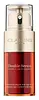 Key Ingredients
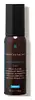
Benefits
Concerns
Ingredients Side-by-side
Water
Skin ConditioningCetearyl Isononanoate
Emollient
Glycerin
Humectant


Isononyl Isononanoate
EmollientCaprylic/Capric Triglyceride
Masking
Pentylene Glycol
Skin Conditioning
PPG-3 Myristyl Ether
EmollientEthylene/Propylene/Styrene Copolymer
Dipsacus Sylvestris Extract
Skin ConditioningButylene Glycol
Humectant
Parfum
Masking




Phenoxyethanol
Preservative
Propanediol
Solvent
Tromethamine
BufferingSilybum Marianum Seed Oil
Skin Conditioning

Carbomer
Emulsion StabilisingTocopheryl Acetate
Antioxidant


Escin
TonicChenopodium Quinoa Seed Extract
Skin Conditioning
Ethylhexylglycerin
Skin ConditioningSqualane
Emollient
Avena Sativa Kernel Extract
Abrasive


Theobroma Cacao Extract
Skin ConditioningButylene/Ethylene/Styrene Copolymer
Leontopodium Alpinum Extract
Skin ConditioningXanthan Gum
EmulsifyingPersea Gratissima Oil Unsaponifiables
Skin Conditioning
Caramel
Cosmetic ColorantCurcuma Longa Root Extract
Antioxidant
Salicyloyl Phytosphingosine
Skin ConditioningMusa Sapientum Fruit Extract
Skin ConditioningSalicornia Herbacea Extract
Skin ConditioningActinidia Chinensis Fruit Extract
EmollientKalanchoe Pinnata Leaf Extract
MaskingSodium Benzoate
Masking
Citric Acid
Buffering
Myrothamnus Flabellifolia Leaf/Stem Extract
HumectantDisodium EDTA
Tocopherol
Antioxidant
Lycium Barbarum Fruit Extract
Astringent
Maltodextrin
Absorbent
Orthosiphon Stamineus Extract
Skin ConditioningHedychium Coronarium Root Extract
MaskingMangifera Indica Leaf Extract
Skin ConditioningPotassium Sorbate
Preservative
Pentaerythrityl Tetra-Di-T-Butyl Hydroxyhydrocinnamate
Antioxidant
Jania Rubens Extract
Skin ConditioningAscorbic Acid
Antioxidant

Sodium Citrate
BufferingEngelhardtia Chrysolepis Leaf Extract
Skin ConditioningCI 14700
Cosmetic ColorantCallicarpa Japonica Fruit Extract
Skin ConditioningWater, Cetearyl Isononanoate, Glycerin, Isononyl Isononanoate, Caprylic/Capric Triglyceride, Pentylene Glycol, PPG-3 Myristyl Ether, Ethylene/Propylene/Styrene Copolymer, Dipsacus Sylvestris Extract, Butylene Glycol, Parfum, Phenoxyethanol, Propanediol, Tromethamine, Silybum Marianum Seed Oil, Carbomer, Tocopheryl Acetate, Escin, Chenopodium Quinoa Seed Extract, Ethylhexylglycerin, Squalane, Avena Sativa Kernel Extract, Theobroma Cacao Extract, Butylene/Ethylene/Styrene Copolymer, Leontopodium Alpinum Extract, Xanthan Gum, Persea Gratissima Oil Unsaponifiables, Caramel, Curcuma Longa Root Extract, Salicyloyl Phytosphingosine, Musa Sapientum Fruit Extract, Salicornia Herbacea Extract, Actinidia Chinensis Fruit Extract, Kalanchoe Pinnata Leaf Extract, Sodium Benzoate, Citric Acid, Myrothamnus Flabellifolia Leaf/Stem Extract, Disodium EDTA, Tocopherol, Lycium Barbarum Fruit Extract, Maltodextrin, Orthosiphon Stamineus Extract, Hedychium Coronarium Root Extract, Mangifera Indica Leaf Extract, Potassium Sorbate, Pentaerythrityl Tetra-Di-T-Butyl Hydroxyhydrocinnamate, Jania Rubens Extract, Ascorbic Acid, Sodium Citrate, Engelhardtia Chrysolepis Leaf Extract, CI 14700, Callicarpa Japonica Fruit Extract
Water
Skin ConditioningDipropylene Glycol
HumectantButylene Glycol
Humectant
Alcohol Denat.
Antimicrobial

Ascorbic Acid
Antioxidant
Undecane
EmollientBis-Hydroxyethoxypropyl Dimethicone
Emollient
Dimethicone
Emollient
Caprylic/Capric Triglyceride
Masking
Tridecane
Perfuming
Phloretin
Antioxidant
Lauryl PEG-9 Polydimethylsiloxyethyl Dimethicone
Skin Conditioning
Dimethicone/PEG-10/15 Crosspolymer
Dimethicone/Polyglycerin-3 Crosspolymer
Cleansing
Ferulic Acid
Antimicrobial
Sodium Hydroxide
BufferingDisodium EDTA
Water, Dipropylene Glycol, Butylene Glycol, Alcohol Denat., Ascorbic Acid, Undecane, Bis-Hydroxyethoxypropyl Dimethicone, Dimethicone, Caprylic/Capric Triglyceride, Tridecane, Phloretin, Lauryl PEG-9 Polydimethylsiloxyethyl Dimethicone, Dimethicone/PEG-10/15 Crosspolymer, Dimethicone/Polyglycerin-3 Crosspolymer, Ferulic Acid, Sodium Hydroxide, Disodium EDTA
Reviews
Ingredients Explained
These ingredients are found in both products.
Ingredients higher up in an ingredient list are typically present in a larger amount.
Ascorbic Acid is is pure Vitamin C and is the biologically active form used directly by skin.
Not only is vitamin C great for your overall health and immune system, but it also has plenty of benefits for your skin. It is best supported by academic literature for:
Topical vitamin C has been shown to help neutralize oxidative stress from UV and pollution, helping to improve photoaging and hyperpigmentation when used consistently.
One clinical study found that using 5% topical vitamin C for six months improved signs of photodamaged skin, both on the surface and in the deeper structural layers of the skin.
While vitamin C doesn’t replace sunscreen, studies show it can boost photoprotection when combined with Vitamin E and ferulic acid. These two ingredients help improve stability and protective effects.
The big downside of this ingredient is formulation difficulty. Vitamin C is prone to oxidation and doesn't penetrate the skin unless formulated correctly. Research found that vitamin C absorbs into the skin best at a low pH (< 3.5) with about 20% being the upper limit for effective absorption.
Skin levels can saturate after repeated application; this means your skin won’t keep absorbing more once it’s full of vitamin C. This is why more isn’t always better with vitamin C and why very high concentrations don’t necessarily give extra benefits.
Ascorbic acid generally works well with many skincare ingredients but can be irritating when combined with other active ingredients. Strong oxidizing acne treatments like benzoyl peroxide can reduce the effectiveness of vitamin C if they are used at the same time; they are often recommended for use at different times of day.
Read more about other types of Vitamin C:
Foods rich with vitamin C include oranges, strawberries, broccoli, bell peppers, and more. When consuming Vitamin C, your skin receives a portion of the nutrients.
Learn more about Ascorbic AcidButylene Glycol (or BG) is used within cosmetic products for a few different reasons:
Overall, Butylene Glycol is a safe and well-rounded ingredient that works well with other ingredients.
Though this ingredient works well with most skin types, some people with sensitive skin may experience a reaction such as allergic rashes, closed comedones, or itchiness.
Learn more about Butylene GlycolCaprylic/Capric Triglyceride (aka MCT Oil) is a lightweight emollient, solvent, and texture enhancer. It is considered a skin-softener by helping to prevent moisture loss.
Though it behaves like an oil, it is not technically one due to its chemical composition. One perk of this ingredient is that it is very stable, resistant to oxidation, and unlikely to go rancid.
In practice, that translates to a long shelf life and a consistently elegant skin feel.
While there is an assumption Caprylic Triglyceride can clog pores due to it being derived from coconut oil, there is no research supporting this. Just patch test if you have concerns.
Fractionated coconut oil and MCT Oil are both listed as Caprylic/Capric Triglyceride according to INCI. This is because INCI names are based on the ingredient’s final chemical composition and not its marketing name or source.
This ingredient is treated as the gold standard fungal acne safe oil. Even though it is coconut derived, the problematic lauric acid is stripped out.
This leaves just caprylic (C8) and capric (C10) acid. These chain lengths actually trend antifungal; a 2020 study found caprylic acid was enough to disrupt Malassezia furfur cell membrane, with a caprylic acid derivative damaging membrane structures at concentrations as low as 0.2%.
Learn more about Caprylic/Capric TriglycerideDisodium EDTA is a chelating agent. It grabs onto and deactivates metal ions that sneak into your products from water, packaging, or air.
This ingredient mainly works behind the scenes and helps with:
On top of that, this ingredient can counteract the effects of hard water by binding to the minerals in it.
One thing worth knowing is that Disodium EDTA has been shown to be a mild penetration enhancer. It can help other ingredients absorb into skin more effectively which can be a double-edged sword (great for actives, but can also make the active too strong if you have sensitive skin).
Clinical patch testing showed no significant skin irritation at typical use concentrations and minimal dermal absorption.
You'll most likely see this ingredient near the end of an ingredient list. It's typically found in concentrations less than 1%.
Learn more about Disodium EDTAWater. It's the most common cosmetic ingredient of all. You'll usually see it at the top of ingredient lists, meaning that it makes up the largest part of the product.
So why is it so popular? Water most often acts as a solvent - this means that it helps dissolve other ingredients into the formulation.
You'll also recognize water as that liquid we all need to stay alive. If you see this, drink a glass of water. Remember to stay hydrated!
Learn more about Water

