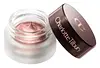
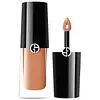
Charlotte Tilbury Eyes To Mesmerise Cream Eyeshadow Versus Armani Beauty Eye Tint Long-Lasting Liquid Eyeshadow


What's inside
What's inside
 Key Ingredients
Benefits
Concerns
Ingredients Side-by-side
Cyclopentasiloxane
Emollient
Mica
Cosmetic ColorantWater
Skin ConditioningDiphenylsiloxy Phenyl Trimethicone
Skin Conditioning
Cetyl PEG/PPG-10/1 Dimethicone
Emulsifying
Hdi/Trimethylol Hexyllactone Crosspolymer
Hydrogenated Palm Kernel Glycerides
EmollientSodium Chloride
MaskingDimethicone/Phenyl Vinyl Dimethicone Crosspolymer
Sorbitan Stearate
Emulsifying

Disteardimonium Hectorite
StabilisingHydrogenated Palm Glycerides
Emollient
Silica Dimethyl Silylate
EmollientEthylhexylglycerin
Skin ConditioningLauryl Methacrylate/Glycol Dimethacrylate Crosspolymer
Ceresin
Emulsion StabilisingPropylene Carbonate
SolventPotassium Sorbate
Preservative
Polyacrylamide
Glycerin
Humectant


Sodium Dehydroacetate
Preservative
Dimethicone/Vinyl Dimethicone Crosspolymer
Skin Conditioning
C13-14 Isoparaffin
Emollient
Silica
Abrasive


Laureth-7
EmulsifyingTocopherol
Antioxidant





Ascorbyl Palmitate
Antioxidant
Pentaerythrityl Tetra-Di-T-Butyl Hydroxyhydrocinnamate
Antioxidant
CI 77891
Cosmetic ColorantIron Oxides
Cyclopentasiloxane, Mica, Water, Diphenylsiloxy Phenyl Trimethicone, Cetyl PEG/PPG-10/1 Dimethicone, Hdi/Trimethylol Hexyllactone Crosspolymer, Hydrogenated Palm Kernel Glycerides, Sodium Chloride, Dimethicone/Phenyl Vinyl Dimethicone Crosspolymer, Sorbitan Stearate, Disteardimonium Hectorite, Hydrogenated Palm Glycerides, Silica Dimethyl Silylate, Ethylhexylglycerin, Lauryl Methacrylate/Glycol Dimethacrylate Crosspolymer, Ceresin, Propylene Carbonate, Potassium Sorbate, Polyacrylamide, Glycerin, Sodium Dehydroacetate, Dimethicone/Vinyl Dimethicone Crosspolymer, C13-14 Isoparaffin, Silica, Laureth-7, Tocopherol, Ascorbyl Palmitate, Pentaerythrityl Tetra-Di-T-Butyl Hydroxyhydrocinnamate, CI 77891, Iron Oxides
Water
Skin ConditioningPropylene Glycol
Humectant
Talc
Abrasive
Synthetic Fluorphlogopite
Lauroyl Lysine
Skin Conditioning
Octyldodecyl Stearoyl Stearate
Emollient
Dimethicone
Emollient
Boron Nitride
Absorbent
Calcium Sodium Borosilicate
Zea Mays Starch
Absorbent
Dipentaerythrityl Tetrahydroxystearate/Tetraisostearate
Skin Conditioning
Dimethicone/Vinyl Dimethicone Crosspolymer
Skin Conditioning
Sorbitan Isostearate
Emulsifying
Phenoxyethanol
Preservative
Steareth-20
CleansingMagnesium Aluminum Silicate
Absorbent
Magnesium Silicate
AbsorbentPEG-75 Stearate
Surfactant
Silica
Abrasive
Calcium Aluminum Borosilicate
Xanthan Gum
EmulsifyingTin Oxide
Abrasive
Isobutane
Isoceteth-10
EmulsifyingCaprylyl Glycol
Emollient
Acrylonitrile/Methyl Methacrylate/Vinylidene Chloride Copolymer
Cetyl Alcohol
Emollient
Ceteth-20
CleansingAlumina
Abrasive
Glycerin
Humectant
Glyceryl Stearate
Emollient
CI 77891
Cosmetic ColorantCI 77491
Cosmetic ColorantCI 77492
Cosmetic ColorantCI 77499
Cosmetic ColorantCI 77120
Cosmetic ColorantCI 77007
Cosmetic ColorantCI 77288
Cosmetic ColorantCI 77742
Cosmetic ColorantCI 77510
Cosmetic ColorantCI 77400
Cosmetic ColorantCI 75470
Cosmetic ColorantCI 77163
Cosmetic Colorant
CI 42090
Cosmetic ColorantCI 19140
Cosmetic ColorantMica
Cosmetic ColorantWater, Propylene Glycol, Talc, Synthetic Fluorphlogopite, Lauroyl Lysine, Octyldodecyl Stearoyl Stearate, Dimethicone, Boron Nitride, Calcium Sodium Borosilicate, Zea Mays Starch, Dipentaerythrityl Tetrahydroxystearate/Tetraisostearate, Dimethicone/Vinyl Dimethicone Crosspolymer, Sorbitan Isostearate, Phenoxyethanol, Steareth-20, Magnesium Aluminum Silicate, Magnesium Silicate, PEG-75 Stearate, Silica, Calcium Aluminum Borosilicate, Xanthan Gum, Tin Oxide, Isobutane, Isoceteth-10, Caprylyl Glycol, Acrylonitrile/Methyl Methacrylate/Vinylidene Chloride Copolymer, Cetyl Alcohol, Ceteth-20, Alumina, Glycerin, Glyceryl Stearate, CI 77891, CI 77491, CI 77492, CI 77499, CI 77120, CI 77007, CI 77288, CI 77742, CI 77510, CI 77400, CI 75470, CI 77163, CI 42090, CI 19140, Mica
Reviews
Ingredients Explained
These ingredients are found in both products.
Ingredients higher up in an ingredient list are typically present in a larger amount.
Ci 77891 is a white pigment from Titanium dioxide. It is naturally found in minerals such as rutile and ilmenite.
It's main function is to add a white color to cosmetics. It can also be mixed with other colors to create different shades.
Ci 77891 is commonly found in sunscreens due to its ability to block UV rays.
Learn more about CI 77891This ingredient is a silicone elastomer that works as a texture enhancer, adds a silky slip, and also helps absorb excess oil.
Because it's a large macromolecule that's insoluble in water and chemically inert, it's not expected to penetrate or be absorbed into skin.
Human patch tests with a facial lotion containing 1% of this ingredient found no sensitization.
Learn more about Dimethicone/Vinyl Dimethicone CrosspolymerGlycerin (or glycerol) is a compound naturally found in your skin. It's a powerhouse humectant that pulls water into the stratum corneum.
Topically, glycerin does several things at once:
Your skin makes glycerin on its own (mostly from sebaceous oil breakdown) and shuttles it to your outermost layer of skin, or your epidermis, via aquaporin-3.
Aquaporin-3 is a transporter that is essential for normal skin hydration, elasticity, and repair. Interestingly, mice lacking in AQP3 have dry and less elastic skin that can be fully corrected with glycerin.
This ingredient is non-irritating, plays well with almost every ingredient, and works across all skin types. Typical use is anywhere between 3-10% but can go up to 79% in some leave-on products.
Just know very high concentrations (>40%) can feel tacky in low humidity.
Glycerin is the name for this ingredient in American English. British English uses Glycerol/Glycerine.
Learn more about GlycerinMica is a naturally occurring mineral used to add shimmer and color in cosmetics. It can also help improve the texture of a product or give it an opaque, white/silver color.
Serecite is the name for very fine but ragged grains of mica.
This ingredient is often coated with metal oxides like titanium dioxide. Trace amounts of heavy metals may be found in mica, but these metals are not harmful in our personal products.
Mica has been used since prehistoric times throughout the world. Ancient Egyptian, Indian, Greek, Roman, Aztec, and Chinese civilizations have used mica.
Learn more about MicaSilica, also known as silicon dioxide, is a naturally occurring mineral. It is used as a fine, spherical, and porous powder in cosmetics.
Though it has exfoliant properties, the function of silica varies depending on the product.
The unique structure of silica enhances the spreadability and adds smoothness, making it a great texture enhancer.
It is also used as an active carrier, emulsifier, and mattifier due to its ability to absorb excess oil.
In some products, tiny microneedles called spicules are made from silica or hydrolyzed sponge. When you rub them in, they lightly polish away dead skin layers and enhance the penetration of active ingredients.
Learn more about SilicaWater. It's the most common cosmetic ingredient of all. You'll usually see it at the top of ingredient lists, meaning that it makes up the largest part of the product.
So why is it so popular? Water most often acts as a solvent - this means that it helps dissolve other ingredients into the formulation.
You'll also recognize water as that liquid we all need to stay alive. If you see this, drink a glass of water. Remember to stay hydrated!
Learn more about Water

