

What's inside
What's inside
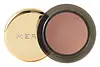 Key Ingredients
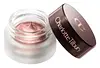
Benefits
Concerns
Ingredients Side-by-side
Isododecane
EmollientDimethicone
Emollient

Trimethylsiloxysilicate
Emollient
Hydrogenated Polycyclopentadiene
Synthetic Wax
Abrasive

Helianthus Annuus Seed Cera
Emollient

Helianthus Annuus Seed Wax
Skin Conditioning
Mica
Cosmetic ColorantSilica
Abrasive

Chamomilla Recutita Flower Extract
Masking


Calendula Officinalis Flower Extract
Masking
Helianthus Annuus Seed Oil
Emollient

Caprylic/Capric Triglyceride
Masking
Disteardimonium Hectorite
StabilisingSh-Polypeptide-123
Skin Protecting
Ascorbyl Palmitate
Antioxidant


Tocopherol
Antioxidant


Dimethicone/Vinyl Dimethicone Crosspolymer
Skin Conditioning
Polyhydroxystearic Acid
Emulsifying
Synthetic Fluorphlogopite
Calcium Aluminum Borosilicate
Calcium Sodium Borosilicate
Magnolia Officinalis Bark Extract
Antimicrobial
Tin Oxide
Abrasive
CI 77891
Cosmetic ColorantCI 77491
Cosmetic ColorantCI 77492
Cosmetic ColorantCI 77499
Cosmetic ColorantCI 77742
Cosmetic ColorantCI 77007
Cosmetic ColorantCI 77510
Cosmetic ColorantCI 42090
Cosmetic ColorantCI 19140
Cosmetic ColorantCI 16035
Cosmetic ColorantCI 77400
Cosmetic ColorantCI 77000
Cosmetic ColorantIsododecane, Dimethicone, Trimethylsiloxysilicate, Hydrogenated Polycyclopentadiene, Synthetic Wax, Helianthus Annuus Seed Cera, Helianthus Annuus Seed Wax, Mica, Silica, Chamomilla Recutita Flower Extract, Calendula Officinalis Flower Extract, Helianthus Annuus Seed Oil, Caprylic/Capric Triglyceride, Disteardimonium Hectorite, Sh-Polypeptide-123, Ascorbyl Palmitate, Tocopherol, Dimethicone/Vinyl Dimethicone Crosspolymer, Polyhydroxystearic Acid, Synthetic Fluorphlogopite, Calcium Aluminum Borosilicate, Calcium Sodium Borosilicate, Magnolia Officinalis Bark Extract, Tin Oxide, CI 77891, CI 77491, CI 77492, CI 77499, CI 77742, CI 77007, CI 77510, CI 42090, CI 19140, CI 16035, CI 77400, CI 77000
Cyclopentasiloxane
Emollient
Mica
Cosmetic ColorantWater
Skin ConditioningDiphenylsiloxy Phenyl Trimethicone
Skin Conditioning
Cetyl PEG/PPG-10/1 Dimethicone
Emulsifying
Hdi/Trimethylol Hexyllactone Crosspolymer
Hydrogenated Palm Kernel Glycerides
EmollientSodium Chloride
MaskingDimethicone/Phenyl Vinyl Dimethicone Crosspolymer
Sorbitan Stearate
Emulsifying
Disteardimonium Hectorite
StabilisingHydrogenated Palm Glycerides
Emollient
Silica Dimethyl Silylate
EmollientEthylhexylglycerin
Skin ConditioningLauryl Methacrylate/Glycol Dimethacrylate Crosspolymer
Ceresin
Emulsion StabilisingPropylene Carbonate
SolventPotassium Sorbate
Preservative
Polyacrylamide
Glycerin
Humectant
Sodium Dehydroacetate
Preservative
Dimethicone/Vinyl Dimethicone Crosspolymer
Skin Conditioning
C13-14 Isoparaffin
Emollient
Silica
Abrasive
Laureth-7
EmulsifyingTocopherol
Antioxidant
Ascorbyl Palmitate
Antioxidant
Pentaerythrityl Tetra-Di-T-Butyl Hydroxyhydrocinnamate
Antioxidant
CI 77891
Cosmetic ColorantIron Oxides
Cyclopentasiloxane, Mica, Water, Diphenylsiloxy Phenyl Trimethicone, Cetyl PEG/PPG-10/1 Dimethicone, Hdi/Trimethylol Hexyllactone Crosspolymer, Hydrogenated Palm Kernel Glycerides, Sodium Chloride, Dimethicone/Phenyl Vinyl Dimethicone Crosspolymer, Sorbitan Stearate, Disteardimonium Hectorite, Hydrogenated Palm Glycerides, Silica Dimethyl Silylate, Ethylhexylglycerin, Lauryl Methacrylate/Glycol Dimethacrylate Crosspolymer, Ceresin, Propylene Carbonate, Potassium Sorbate, Polyacrylamide, Glycerin, Sodium Dehydroacetate, Dimethicone/Vinyl Dimethicone Crosspolymer, C13-14 Isoparaffin, Silica, Laureth-7, Tocopherol, Ascorbyl Palmitate, Pentaerythrityl Tetra-Di-T-Butyl Hydroxyhydrocinnamate, CI 77891, Iron Oxides
Ingredients Explained
These ingredients are found in both products.
Ingredients higher up in an ingredient list are typically present in a larger amount.
Ascorbyl Palmitate is a fat-soluble form of vitamin C (Ascorbic Acid) made by combining it with palmitic acid.
It is able to blend easily into creams and oil-based formulas because it dissolves in oils rather than water.
As you may know, regular vitamin C is notorious for breaking down when exposed to sunlight and air. Ascorbyl Palmitate is more stable and degrades at a slower rate.
Research on whether it converts efficiently into active vitamin C once it's applied on your skin is still limited.
Some in-vitro studies suggest it may support collagen production, but it is not considered one of the stronger vitamin C derivatives, like:
Due to the palmitic acid base, this ingredient may not be fungal acne safe. Comedogenic studies have also shown this ingredient to have a rating of 2.
It's also worth keeping in mind that comedogenic and irritancy ratings are tested on individual ingredients, not finished formulas. The final product's formulation, concentration, and other ingredients all play a role in how something actually behaves on your skin.
Learn more about Ascorbyl PalmitateCi 77891 is a white pigment from Titanium dioxide. It is naturally found in minerals such as rutile and ilmenite.
It's main function is to add a white color to cosmetics. It can also be mixed with other colors to create different shades.
Ci 77891 is commonly found in sunscreens due to its ability to block UV rays.
Learn more about CI 77891This ingredient is a silicone elastomer that works as a texture enhancer, adds a silky slip, and also helps absorb excess oil.
Because it's a large macromolecule that's insoluble in water and chemically inert, it's not expected to penetrate or be absorbed into skin.
Human patch tests with a facial lotion containing 1% of this ingredient found no sensitization.
Learn more about Dimethicone/Vinyl Dimethicone CrosspolymerDisteardimonium Hectorite comes from the clay mineral named hectorite. It is used to add thickness to a product.
It can also help stabilize a product by helping to disperse other ingredients.
Hectorite is a rare, white clay mineral.
Learn more about Disteardimonium HectoriteMica is a naturally occurring mineral used to add shimmer and color in cosmetics. It can also help improve the texture of a product or give it an opaque, white/silver color.
Serecite is the name for very fine but ragged grains of mica.
This ingredient is often coated with metal oxides like titanium dioxide. Trace amounts of heavy metals may be found in mica, but these metals are not harmful in our personal products.
Mica has been used since prehistoric times throughout the world. Ancient Egyptian, Indian, Greek, Roman, Aztec, and Chinese civilizations have used mica.
Learn more about MicaSilica, also known as silicon dioxide, is a naturally occurring mineral. It is used as a fine, spherical, and porous powder in cosmetics.
Though it has exfoliant properties, the function of silica varies depending on the product.
The unique structure of silica enhances the spreadability and adds smoothness, making it a great texture enhancer.
It is also used as an active carrier, emulsifier, and mattifier due to its ability to absorb excess oil.
In some products, tiny microneedles called spicules are made from silica or hydrolyzed sponge. When you rub them in, they lightly polish away dead skin layers and enhance the penetration of active ingredients.
Learn more about SilicaTocopherol is a fat-soluble antioxidant known as Vitamin E.
You'll find this ingredient in the vast majority of skincare (for good reason). It works to neutralize free radicals, or unstable molecules generated by UV exposure, pollution, and other environmental stressors, before they can cause oxidative damage to your skin cells.
Topically applied tocopherol has been shown to protect against UV damage by ramping up the skin's own natural defense enzymes.
It also acts as a skin conditioning agent; some studies show that regular topical use can improve the skin's water-binding capacity over 2-4 weeks.
This ingredient is especially loved for being a team player. When combined with Vitamin C, the photoprotective effect of both ingredients roughly doubles and the combo also helps reduce UV-induced DNA damage.
This ingredient has some brightening potential but it's more of a prevention ingredient than spot-fader. Cell studies show it can slow down melanin production but it's worth noting that it's not the most powerful brightener out there.
In formulations, it also serves as a stabilizer that helps protect other oxidation-prone ingredients from degrading.
Concentrations usually range from 0.1-1% in most leave-on products.
Learn more about Tocopherol

