

What's inside
What's inside
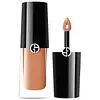 Key Ingredients
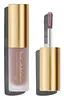
Benefits
Concerns
Ingredients Side-by-side
Water
Skin ConditioningPropylene Glycol
Humectant


Talc
Abrasive
Synthetic Fluorphlogopite
Lauroyl Lysine
Skin Conditioning
Octyldodecyl Stearoyl Stearate
Emollient
Dimethicone
Emollient

Boron Nitride
Absorbent
Calcium Sodium Borosilicate
Zea Mays Starch
Absorbent
Dipentaerythrityl Tetrahydroxystearate/Tetraisostearate
Skin Conditioning
Dimethicone/Vinyl Dimethicone Crosspolymer
Skin Conditioning
Sorbitan Isostearate
Emulsifying
Phenoxyethanol
Preservative
Steareth-20
CleansingMagnesium Aluminum Silicate
Absorbent
Magnesium Silicate
AbsorbentPEG-75 Stearate
Surfactant
Silica
Abrasive
Calcium Aluminum Borosilicate
Xanthan Gum
EmulsifyingTin Oxide
Abrasive
Isobutane
Isoceteth-10
EmulsifyingCaprylyl Glycol
Emollient
Acrylonitrile/Methyl Methacrylate/Vinylidene Chloride Copolymer
Cetyl Alcohol
Emollient
Ceteth-20
CleansingAlumina
Abrasive
Glycerin
Humectant
Glyceryl Stearate
Emollient
CI 77891
Cosmetic ColorantCI 77491
Cosmetic ColorantCI 77492
Cosmetic ColorantCI 77499
Cosmetic ColorantCI 77120
Cosmetic ColorantCI 77007
Cosmetic ColorantCI 77288
Cosmetic ColorantCI 77742
Cosmetic ColorantCI 77510
Cosmetic ColorantCI 77400
Cosmetic ColorantCI 75470
Cosmetic ColorantCI 77163
Cosmetic Colorant
CI 42090
Cosmetic ColorantCI 19140
Cosmetic ColorantMica
Cosmetic ColorantWater, Propylene Glycol, Talc, Synthetic Fluorphlogopite, Lauroyl Lysine, Octyldodecyl Stearoyl Stearate, Dimethicone, Boron Nitride, Calcium Sodium Borosilicate, Zea Mays Starch, Dipentaerythrityl Tetrahydroxystearate/Tetraisostearate, Dimethicone/Vinyl Dimethicone Crosspolymer, Sorbitan Isostearate, Phenoxyethanol, Steareth-20, Magnesium Aluminum Silicate, Magnesium Silicate, PEG-75 Stearate, Silica, Calcium Aluminum Borosilicate, Xanthan Gum, Tin Oxide, Isobutane, Isoceteth-10, Caprylyl Glycol, Acrylonitrile/Methyl Methacrylate/Vinylidene Chloride Copolymer, Cetyl Alcohol, Ceteth-20, Alumina, Glycerin, Glyceryl Stearate, CI 77891, CI 77491, CI 77492, CI 77499, CI 77120, CI 77007, CI 77288, CI 77742, CI 77510, CI 77400, CI 75470, CI 77163, CI 42090, CI 19140, Mica
Isododecane
EmollientDimethicone
Emollient
Disteardimonium Hectorite
StabilisingSynthetic Fluorphlogopite
Trimethylsiloxysilicate
Emollient
Vp/Eicosene Copolymer
Brassica Campestris Seed Oil
Skin Conditioning
Silica
Abrasive
Dimethicone/Vinyl Dimethicone Crosspolymer
Skin Conditioning
Propylene Carbonate
SolventButyrospermum Parkii Butter
Skin Conditioning
Silica Dimethyl Silylate
EmollientTriethoxycaprylylsilane
Tabebuia Impetiginosa Bark Extract
Skin ConditioningPolyglyceryl-3 Diisostearate
Emulsifying
Tocopheryl Acetate
Antioxidant


CI 77891
Cosmetic ColorantIron Oxides
CI 77007
Cosmetic ColorantIsododecane, Dimethicone, Disteardimonium Hectorite, Synthetic Fluorphlogopite, Trimethylsiloxysilicate, Vp/Eicosene Copolymer, Brassica Campestris Seed Oil, Silica, Dimethicone/Vinyl Dimethicone Crosspolymer, Propylene Carbonate, Butyrospermum Parkii Butter, Silica Dimethyl Silylate, Triethoxycaprylylsilane, Tabebuia Impetiginosa Bark Extract, Polyglyceryl-3 Diisostearate, Tocopheryl Acetate, CI 77891, Iron Oxides, CI 77007
Reviews
Ingredients Explained
These ingredients are found in both products.
Ingredients higher up in an ingredient list are typically present in a larger amount.
This pigment is called Ultramarine blue lazurite. It gives a saturated blue color, but can be used to create other colors as well.
According to the manufacturer, it is usually made from kaolin, sodium sulfate, sodium carbonate, sulfur, and charcoal.
Ci 77891 is a white pigment from Titanium dioxide. It is naturally found in minerals such as rutile and ilmenite.
It's main function is to add a white color to cosmetics. It can also be mixed with other colors to create different shades.
Ci 77891 is commonly found in sunscreens due to its ability to block UV rays.
Learn more about CI 77891Dimethicone is a type of synthetic silicone created from natural materials such as quartz. It is also known as polydimethylsiloxane.
What it does:
Dimethicone comes in different viscosities:
Depending on the viscosity, dimethicone has different properties.
Ingredients lists don't always show which type is used, so we recommend reaching out to the brand if you have questions about the viscosity.
This ingredient is unlikely to cause irritation because it does not get absorbed into skin. However, people with silicone allergies should be careful about using this ingredient.
Note: Dimethicone may contribute to pilling. This is because it is not oil or water soluble, so pilling may occur when layered with products. When mixed with heavy oils in a formula, the outcome is also quite greasy.
Learn more about DimethiconeThis ingredient is a silicone elastomer that works as a texture enhancer, adds a silky slip, and also helps absorb excess oil.
Because it's a large macromolecule that's insoluble in water and chemically inert, it's not expected to penetrate or be absorbed into skin.
Human patch tests with a facial lotion containing 1% of this ingredient found no sensitization.
Learn more about Dimethicone/Vinyl Dimethicone CrosspolymerSilica, also known as silicon dioxide, is a naturally occurring mineral. It is used as a fine, spherical, and porous powder in cosmetics.
Though it has exfoliant properties, the function of silica varies depending on the product.
The unique structure of silica enhances the spreadability and adds smoothness, making it a great texture enhancer.
It is also used as an active carrier, emulsifier, and mattifier due to its ability to absorb excess oil.
In some products, tiny microneedles called spicules are made from silica or hydrolyzed sponge. When you rub them in, they lightly polish away dead skin layers and enhance the penetration of active ingredients.
Learn more about SilicaSynthetic Fluorphlogopite is the synthethic version of mica. It consists of fluorine, aluminum and silicate.
Synthetic Fluorphlogopite is used to add volume to products.
It is considered non-irritating on the skin.
Learn more about Synthetic Fluorphlogopite

