

What's inside
What's inside
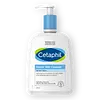 Key Ingredients
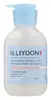
Benefits
Concerns
Ingredients Side-by-side


Water
Skin ConditioningGlycerin
Humectant


Lauryl Hydroxysultaine
CleansingSodium Cocoyl Isethionate
Cleansing
Sodium Methyl Cocoyl Taurate
Cleansing
Caprylyl/Capryl Glucoside
CleansingLauryl Betaine
CleansingHydroxypropyl Starch Phosphate
Sodium Chloride
MaskingGlyceryl Stearate
Emollient
Hydrated Silica
Abrasive
Trihydroxystearin
Skin Conditioning
Glycol Distearate
Emollient
Xanthan Gum
EmulsifyingCetearyl Olivate
Sorbitan Olivate
Emulsifying
Lauric Acid
Cleansing

Sodium Metaphosphate
BufferingGluconolactone
Skin Conditioning






Ethylhexylglycerin
Skin ConditioningPolyquaternium-7
Citric Acid
Buffering

Butylene Glycol
Humectant
Panax Ginseng Root Water
Masking

Scutellaria Baicalensis Root Extract
Astringent
Propanediol
Solvent
Prunus Mume Fruit Extract
Humectant
Sodium Benzoate
Masking
1,2-Hexanediol
Skin Conditioning
Glycine Max Oil
Emollient
Hydrogenated Lecithin
Emulsifying
Squalane
Emollient
Madecassoside
Antioxidant
Polyglyceryl-10 Pentaisostearate
Emollient
3-O-Ethyl Ascorbic Acid
Skin Conditioning
Ceramide NP
Skin Conditioning
Phytosphingosine
Skin Conditioning
Tocopherol
Antioxidant
Pentylene Glycol
Skin Conditioning
Dipotassium Glycyrrhizate
Humectant
Hydrolyzed Vegetable Protein
Skin ConditioningCanola Oil
Emollient
Rosmarinus Officinalis Leaf Extract
AntimicrobialWater, Glycerin, Lauryl Hydroxysultaine, Sodium Cocoyl Isethionate, Sodium Methyl Cocoyl Taurate, Caprylyl/Capryl Glucoside, Lauryl Betaine, Hydroxypropyl Starch Phosphate, Sodium Chloride, Glyceryl Stearate, Hydrated Silica, Trihydroxystearin, Glycol Distearate, Xanthan Gum, Cetearyl Olivate, Sorbitan Olivate, Lauric Acid, Sodium Metaphosphate, Gluconolactone, Ethylhexylglycerin, Polyquaternium-7, Citric Acid, Butylene Glycol, Panax Ginseng Root Water, Scutellaria Baicalensis Root Extract, Propanediol, Prunus Mume Fruit Extract, Sodium Benzoate, 1,2-Hexanediol, Glycine Max Oil, Hydrogenated Lecithin, Squalane, Madecassoside, Polyglyceryl-10 Pentaisostearate, 3-O-Ethyl Ascorbic Acid, Ceramide NP, Phytosphingosine, Tocopherol, Pentylene Glycol, Dipotassium Glycyrrhizate, Hydrolyzed Vegetable Protein, Canola Oil, Rosmarinus Officinalis Leaf Extract
Reviews
Ingredients Explained
These ingredients are found in both products.
Ingredients higher up in an ingredient list are typically present in a larger amount.
Citric Acid is an alpha hydroxy acid (AHA) naturally found in citrus fruits like oranges, lemons, and limes.
Like other AHAs, citric acid can exfoliate skin by breaking down the bonds that hold dead skin cells together. This helps reveal smoother and brighter skin underneath.
However, this exfoliating effect only happens at high concentrations (20%) which can be hard to find in cosmetic products.
Due to this, citric acid is usually included in small amounts as a pH adjuster. This helps keep products slightly more acidic and compatible with skin's natural pH.
In skincare formulas, citric acid can:
While it can provide some skin benefits, research shows lactic acid and glycolic acid are generally more effective and less irritating exfoliants.
Most citric acid used in skincare today is made by fermenting sugars (usually from molasses). This synthetic version is identical to the natural citrus form but easier to stabilize and use in formulations.
Read more about some other popular AHA's here:
Learn more about Citric AcidGlycerin (or glycerol) is a compound naturally found in your skin. It's a powerhouse humectant that pulls water into the stratum corneum.
Topically, glycerin does several things at once:
Your skin makes glycerin on its own (mostly from sebaceous oil breakdown) and shuttles it to your outermost layer of skin, or your epidermis, via aquaporin-3.
Aquaporin-3 is a transporter that is essential for normal skin hydration, elasticity, and repair. Interestingly, mice lacking in AQP3 have dry and less elastic skin that can be fully corrected with glycerin.
This ingredient is non-irritating, plays well with almost every ingredient, and works across all skin types. Typical use is anywhere between 3-10% but can go up to 79% in some leave-on products.
Just know very high concentrations (>40%) can feel tacky in low humidity.
Glycerin is the name for this ingredient in American English. British English uses Glycerol/Glycerine.
Learn more about GlycerinSodium Benzoate is a preservative. It's used in both cosmetic and food products to inhibit the growth of mold and bacteria. It is typically produced synthetically.
Both the US FDA and EU Health Committee have approved the use of sodium benzoate. In the US, levels of 0.1% (of the total product) are allowed.
Sodium benzoate works as a preservative by inhibiting the growth of bacteria inside of cells. It prevents the cell from fermenting a type of sugar using an enzyme called phosphofructokinase.
It is the salt of benzoic acid. Foods containing sodium benzoate include soda, salad dressings, condiments, fruit juices, wines, and snack foods.
Studies for using ascorbic acid and sodium benzoate in cosmetics are lacking, especially in skincare routines with multiple steps.
We always recommend speaking with a professional, such as a dermatologist, if you have any concerns.
Learn more about Sodium BenzoateSodium cocoyl isethionate is a natural ingredient from coconut oil. It is an ultra gentle cleanser that gives a nice foam without drying the skin or impacting the skin barrier.
The amount of foam created depends on the amount of sodium cocoyl isethionate used in the product.
This ingredient also helps improve the spreadability of a product.
This ingredient hasn’t been shown in studies to feed fungal acne yeast.
Learn more about Sodium Cocoyl IsethionateWater. It's the most common cosmetic ingredient of all. You'll usually see it at the top of ingredient lists, meaning that it makes up the largest part of the product.
So why is it so popular? Water most often acts as a solvent - this means that it helps dissolve other ingredients into the formulation.
You'll also recognize water as that liquid we all need to stay alive. If you see this, drink a glass of water. Remember to stay hydrated!
Learn more about WaterXanthan gum is used as a stabilizer and thickener within cosmetic products. It helps give products a sticky, thick feeling - preventing them from being too runny.
On the technical side of things, xanthan gum is a polysaccharide - a combination consisting of multiple sugar molecules bonded together.
Xanthan gum is a pretty common and great ingredient. It is a natural, non-toxic, non-irritating ingredient that is also commonly used in food products.
Learn more about Xanthan Gum
